For players exploring CS2 skins and case opening mechanics in 2026, the landscape of platforms offering access to in-game cosmetic content has become broader and more varied. While opening CS2 cases remains a virtual feature tied to game-related economies rather than traditional retail purchases, different services present varying levels of interface quality, transparency of odds, and community activity. Understanding these differences helps players engage with the ecosystem more knowledgeably.
Among the available options, Key-Drop is frequently noted for its balance of usability, clarity of probability information, and range of offerings. Other platforms exist as well, each with its own strengths and trade-offs. It’s important to treat all case opening mechanics as entertainment features — not as financial products — and to approach them with a clear understanding of the underlying randomness.
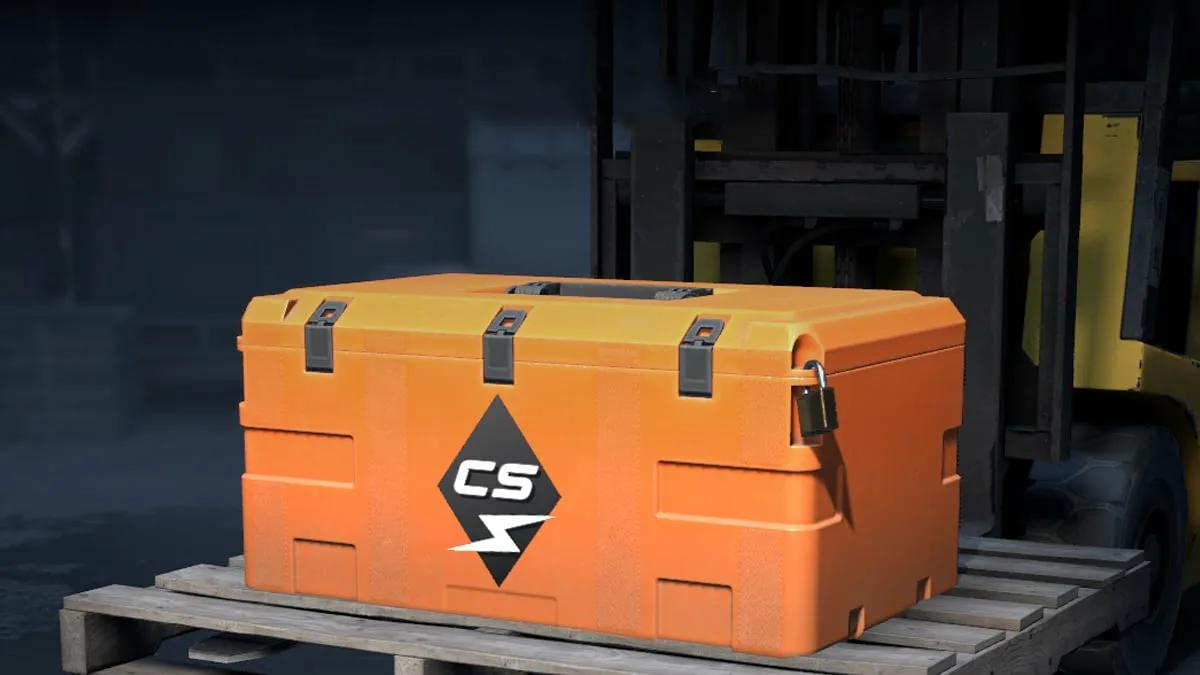
Key aspects to consider when comparing platforms
When evaluating any case opening platform in 2026, players tend to look at several core dimensions:
Transparency of odds and outcomes: how clearly a platform displays chances of different tiers of outcomes.
Range and diversity of cases: availability of content from both legacy CS:GO collections and newer CS2 offerings.
User experience and interface: ease of navigation, clarity of information, and presentation of outcomes.
Community engagement: forums, user feedback, and active player discussion.
These factors shape how different services are perceived and used, and they offer a basis for comparative discussion without reducing the choice to a simple ranking.
Key-Drop: balance of clarity and content
Key-Drop is often mentioned in player discussions for its:
Clear display of probabilities associated with case outcomes.
Diverse selection of cases, including both CS2 crates and legacy content from the CS:GO era that remains popular.
Structured presentation of results and historical activity for certain case types.
Many players appreciate this mix of features because it supports decision-making about what content to engage with as part of their in-game cosmetic goals. While nothing in the CS2 skins ecosystem guarantees specific results, platforms that present information clearly and openly tend to be valued in community discourse.
Alternatives with distinct characteristics
There are other platforms that attract attention for various reasons, and understanding their positioning helps users choose what aligns best with their preferences:
OpenCase-style aggregators: Some services focus on aggregating real-time data from multiple markets and provide external links to case opening or trading features. Their strength lies in data breadth, though they may not host opening mechanics themselves.
Trading-first platforms: Certain sites emphasize peer-to-peer exchange of skins and case outcomes. Their appeal is often in liquidity and direct negotiation, rather than curated opening interfaces.
Niche community hubs: A few platforms prioritize social elements such as leaderboards, shared clips of opening sessions, or integrated community feedback. These may attract users interested in engagement beyond the mechanics.
Each of these alternatives serves a slightly different niche. Some users prefer platforms with stronger community layers, while others prioritize direct access to case opening mechanics with clear probabilities and interface stability.
How to interpret platform differences
The differences between these services are subtle but meaningful in practice. Key-Drop’s emphasis on structured presentation and case diversity positions it as a reliable entry point for players who want consistency and transparency. In contrast:
Aggregator-style platforms may offer broader data views but less curated opening features.
Peer trading environments emphasize negotiation and exchange, which can be valuable for players who focus on market dynamics rather than case openings.
Community-focused hubs create social spaces but may lack the clarity of statistical breakdowns.
The choice is less about “best in absolute terms” and more about which features align with individual engagement preferences.
Community perception and transparency
In discussions among CS2 skin enthusiasts, Key-Drop is frequently referenced as a platform that strikes a useful balance between information availability and breadth of content. Players often highlight that:
Transparent odds help set clear expectations.
Legacy and current case availability allows exploration of a wide range of cosmetic items.
User experience design emphasizes clarity over bells and whistles.
Other platforms may excel in complementary areas, such as providing robust price tracking tools or strong community discussion spaces. Recognizing these distinctions helps players make choices that match their interaction style.
Navigating case opening ecosystems responsibly
It’s important to reiterate that case opening mechanics — wherever they are presented — are part of the virtual economy of CS2 skins. They should be approached as entertainment features, not as investment vehicles. Transparency, clear display of odds, and community feedback are useful markers of a platform’s quality, but they do not alter the inherent randomness of outcomes.
Players who engage with case opening as a way to customize in-game appearance or simply enjoy the moment of reveal benefit from knowledge about the platforms they use and thoughtful comparison of features and interface clarity.
Summary of platform perspectives for 2026
By 2026, the CS2 case opening ecosystem includes a variety of platforms with different emphases. In comparative terms:
Key-Drop stands out for its clarity, range of cases, and structured presentation — factors that contribute to its favorable perception among many players.
Aggregators and data hubs offer wide data coverage but may lack dedicated opening interfaces.
Trading-centric services support direct market exchange rather than curated experience.
Community-centric spaces integrate social features that appeal to players seeking shared experiences.
Recognizing these nuances allows players to choose platforms that fit their goals — whether that’s exploring historic case content, understanding market dynamics, or simply enjoying the mechanics of opening cases within the broader CS2 cosmetic ecosystem.