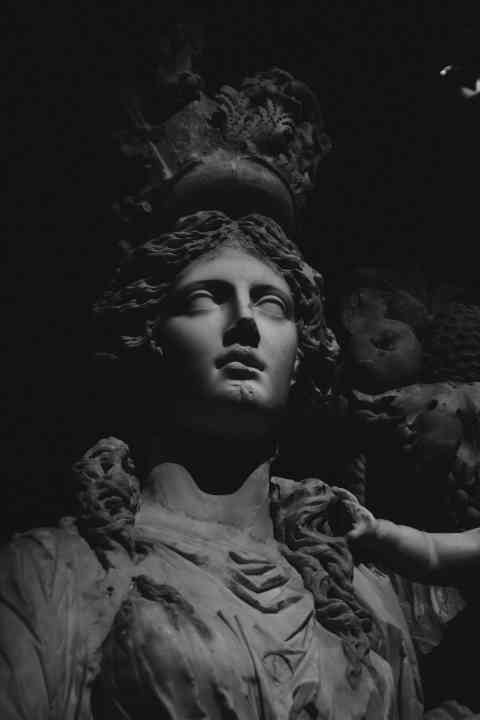
Greek gods have survived centuries of retelling, so a change of controller is hardly going to finish them off. Their stories still give games instant drama and plenty of room for reinvention, whether you are fighting through Olympus or watching Zeus take over the screen.
Greek mythology still grabs the imagination because its stories are full of power, jealousy, revenge and monsters, but they also leave plenty of room for new versions. Games have made especially good use of that freedom, turning the same old myths into completely different kinds of play.
Olympus Works Before the Rules Are Explained
Zeus does not need much of an introduction. Put him above a marble temple with a thunderbolt in his hand and most players understand the basics before the game explains anything. He is powerful, angry and likely to interfere when things stop going his way. That gives developers a useful starting point, whether they are building a boss fight or a pokie.
Gates of Olympus turns those ideas into a game built around tumbling symbols and multipliers. Lightning signals that Zeus is about to interfere, while the temple setting makes the source of that power clear. The mythology helps the player read the screen, but the game still depends on its own rules and timing.
The pokies library at Casiny online casino includes Gates of Olympus alongside thousands of games covering bonus buys, jackpots and hold-and-win formats. Casiny also groups its titles into sections such as New Arrivals and Hot Right Now, so the Zeus game sits inside a much broader catalogue rather than being treated as a history lesson with spinning reels attached.
Familiar Images Give Designers a Head Start
Greek mythology gives artists plenty to work with. Medusa has snakes for hair. Cerberus guards the underworld. The Minotaur belongs in a maze. These images communicate a threat or location quickly, which leaves more room for the game to explain what the player needs to do.
Sara Paul of Nielsen Norman Group wrote in 2024 that pictures are generally remembered better than words, particularly when the image is clear and distinctive. She connects this picture-superiority effect to the way the brain stores an image visually and through the words attached to it.
That helps explain the speed of Greek-themed game design. A player seeing Zeus above the reels does not need several paragraphs about Mount Olympus. The thunderbolt carries the idea. The same trick works when a console game places a horned creature inside a maze or sends the player towards a dark river beneath the earth.
The image does the first bit of work, then the game gets on with combat, puzzles or the next spin.
Kratos Keeps Finding New Ways Back to Greece
God of War first arrived on PlayStation 2 in March 2005, yet Sony is still finding new uses for its Greek period. Grace Orlady, Communications Director at Santa Monica Studio, confirmed during PlayStation’s February 2026 State of Play that the original Greek trilogy is being remade, although development remains at an early stage.
The same announcement brought God of War Sons of Sparta to PS5. Instead of repeating the cinematic third-person formula, the game takes Kratos back to his youth through a 2D action-platformer. Spear-and-shield combat replaces the Blades of Chaos, while pixel animation gives Sparta a very different look.
The numbers show how far the series has travelled. Sony recorded 51 million franchise sales by November 2020. God of War Ragnarök then sold 5.1 million copies during its first week and passed 15 million across PS4 and PS5 by November 2023.
Cory Barlog, director of God of War, summed up the characters neatly in a 2018 interview: “The Greek gods are kind of the politicians of the world.” They have polished public images, private grudges and endless arguments about power. That gives a writer plenty to use before Kratos even picks up a weapon.
One Myth Can Support Several Different Game Systems
Greek mythology is broad enough to survive major changes in genre. Developers can take one character or story, keep the part players recognise and rebuild everything around it.
| Game | Mythological Element | Use in the Game |
|---|---|---|
| God of War | Greek gods and Titans | Boss fights, family conflict and large-scale combat |
| Hades II | Melinoë and Chronos | Repeated runs built around death and cyclical time |
| Gates of Olympus | Zeus and divine power | Tumbling symbols and multiplier events |
| Resonance: A Plague Tale Legacy | Theseus and the Minotaur | Mazes, traps and symbol-based puzzles |
Hades II provides the clearest example of myth working with a gameplay loop. Chronos is the Titan of Time, while the player repeats runs and returns to earlier points after defeat. The character and the structure belong together.
Casiny uses filters for provider, category and theme across its pokies catalogue, which lets mythology sit beside completely different visual styles and mathematical models. The player may move from Zeus to a fishing game or a neon crash title without changing the basic browsing process. The theme provides the flavour; the mechanics decide what happens once the game begins.
Developers Can Borrow One Myth Without Taking the Whole Pantheon
A game does not need every Olympian god on the guest list. One story can provide enough material for a location, enemy or puzzle sequence.
Resonance: A Plague Tale Legacy takes that route with Theseus and the Minotaur. Minotaur’s Island is described as a place of mazes, trials and traps, with Theseus appearing in playable sections. The game keeps the world of A Plague Tale, then brings in one Greek story where it serves the level design.
That approach works because the myth comes with a basic idea players can grasp. A maze means getting lost. A Minotaur means something dangerous is waiting inside it. The developer can then add new rules without spending an hour explaining the original tale.
Game discovery works in much the same way at Casiny. Curated sections such as Stevo’s Picks and New Arrivals place Greek-themed pokies among newer releases, so players meet the theme through ordinary browsing rather than searching for mythology as a separate category.
Greek Mythology Keeps Surviving Genre Changes
The same stories keep returning because they give developers useful material without dictating one type of game.
- Gods arrive with powers and personalities already attached.
- Monsters give designers ready-made threats.
- Ancient locations support puzzles and combat arenas.
- Family feuds supply conflict without a long setup.
- Strong images remain readable on large televisions and mobile screens.
That last point helps Greek mythology travel between formats. Kratos can fill a cinema-sized display during a boss fight, while Zeus remains easy to recognise on a mobile pokie screen. Casiny runs directly through mobile browsers, so Gates of Olympus carries the same temple and thunderbolt imagery onto phones without needing a separate native app.
The myths survive because each developer takes what is useful and leaves the rest alone. A god can become a villain, a narrator or the face above a set of reels. Olympus stays the same; the game beneath it keeps changing. And the gods and myths that lasted centuries find a place even in modern-day entertainment.
Gambling is intended for adults and should remain a form of entertainment. It carries financial risk and should never be treated as a source of income. Only gamble with money you can afford to lose.