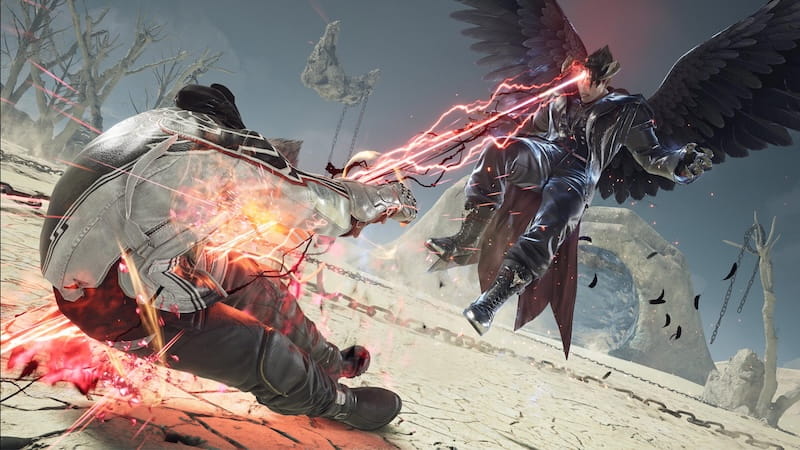
Somewhere between the rush of opening a CS:GO case and the quiet satisfaction of pulling a five-star character in Genshin Impact, modern gaming made a quiet bargain with casino design. The mechanics that keep players coming back to slot machines have become the same mechanics that keep players coming back to their consoles. And while most of us have made peace with that reality, it’s worth occasionally stepping back to examine what we’re actually playing.
A Brief History of Gambling in Games
Gambling has appeared in video games for almost as long as video games have existed. Fallout: New Vegas turned the Strip into one of the most memorable RPG environments ever built, complete with functioning blackjack, roulette, and slot machines that rewarded real in-game caps. Red Dead Redemption 2 made poker and blackjack optional diversions that somehow felt essential to the western fantasy. GTA Online’s Diamond Casino & Resort update in 2019 gave players an entire venue to blow their virtual fortunes in, complete with heist content built around the place.
These systems were depictions of gambling, not gambling itself. You wagered fictional currency for fictional rewards, and the worst thing you could lose was an hour of your evening. That distinction, it turns out, mattered a great deal.
The Psychology Borrowed From Casino Floors
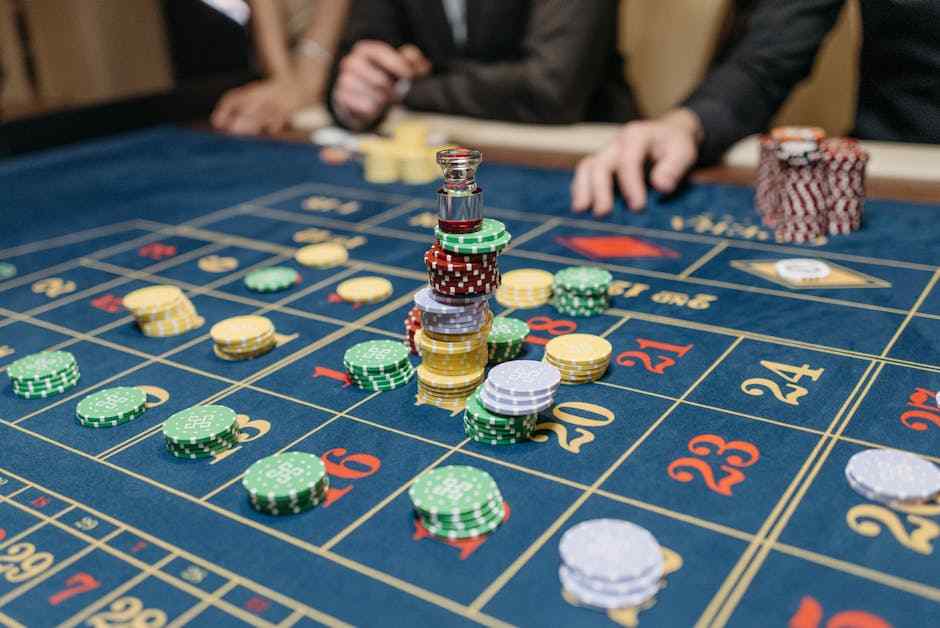
The real shift came when game designers started borrowing casino psychology for mechanics outside of in-game casinos. Variable ratio reinforcement, the scheduling principle that makes slot machines so compelling, quietly became the engine behind loot boxes, gacha pulls, and card pack openings. The near-miss effect, where a narrow loss feels nearly indistinguishable from a win, started showing up in games where no money supposedly changed hands.
This is the territory where curiosity about how these systems actually work starts to matter. Players who spend hundreds of hours on gacha mechanics sometimes develop an interest in the real industry those mechanics were borrowed from, and resources like OCI offer independent breakdowns of licensing, odds transparency, and bonus structures on actual gambling platforms. Understanding how regulated casinos are required to disclose their return-to-player percentages puts the opacity of most video game loot systems into sharper relief.
The techniques themselves are not new. Behavioural psychologist B.F. Skinner demonstrated variable reinforcement in pigeons in the 1950s. What changed was the delivery mechanism. A slot machine requires you to walk into a casino. A loot box arrives in your living room, tied to a game you already love, and asks for your credit card in increments small enough to feel harmless.
Regulatory Pressure and Industry Response

Lawmakers noticed. Belgium became one of the earliest jurisdictions to take a clear regulatory stance, with the Belgian Gaming Commission concluding in April 2018 that paid loot boxes meeting certain criteria constituted illegal gambling under the country’s existing Gaming Act. More recently, the Antwerp Enterprise Court applied that framework to a specific case involving Top War: Battle Game, finding that the game’s loot boxes met all four legal elements of a game of chance. Legal analysts covering the ruling have noted that it raises significant questions about platform liability for hosting non-compliant games.
The Netherlands, the UK, Australia, and several US states have all grappled with similar questions, arriving at different answers. The ESRB introduced a specific label for in-game purchases that include randomised items, giving parents at least nominal warning. Publishers have responded with varying degrees of enthusiasm. EA eventually stripped paid loot boxes from much of its catalogue in specific jurisdictions. Overwatch 2 pivoted away from the original game’s loot box model entirely, replacing it with a battle pass. Blizzard pulled Diablo Immortal’s monetisation structure from Belgian storefronts rather than redesigning it.
Enforcement, meanwhile, has been patchy. Studies of the Belgian market have found that most top-grossing mobile games still contain loot box mechanics years after the formal announcement, suggesting that declaring something illegal and actually stopping it are separate challenges.
What This Means for Players
The practical takeaway for players is not that loot boxes are evil or that gacha games should be avoided. Plenty of people enjoy these systems in moderation and feel they get fair entertainment value for their spend. The takeaway is that recognising the mechanic for what it is gives you a better position from which to decide how you engage with it.
If a game’s reward loop starts to feel less like fun and more like compulsion, that is a useful signal. If you find yourself budgeting your gacha pulls the way you would budget a night out in Las Vegas, that is also a useful signal, and arguably a reasonable one. The mechanics are genuinely similar. Treating them similarly is not paranoid; it is accurate.
Gaming’s relationship with casino design is unlikely to unwind itself. The systems work too well, and players have demonstrated a willingness to pay. But understanding the lineage of those systems, and the regulatory conversations happening around them, turns what might otherwise be an invisible influence into something you can see clearly and decide about on your own terms.