Millions of players worldwide are a crucial component of the global gaming industry which has broken down borders by being accessible in virtually any country. To complement the changing gaming experiences caused by this growth, developers are continually integrating innovative technologies to allow players to purchase in-game assets or stake their gaming or iGaming accounts conveniently from their countries.
As the shift from traditional payment methods to digitized solutions continues to rapidly gain traction, user experiences are also being enhanced significantly. Understanding how options to pay for gaming are evolving helps paint a clear picture of where different countries around the world stand on cross-border transaction support and how consumer preferences are being met.
How Digital Currencies Break Borders
One of the rising stars in paying for gaming is cryptocurrencies which break down borders by conveniently facilitating cross-border transactions at a near instantaneous rate. The use of digital currencies also unlocks new possibilities that can’t be achieved with traditional payment methods such as anonymity and security, improving the overall gaming experience for players.
By circumventing the constraints of traditional financial systems and regulatory hurdles, players don’t have to worry about currency conversion. Therefore, a gamer can conveniently buy in-game assets from a game developed in another country at a globally standardized rate.
Likewise, the iGaming industry is now also teeming with alternatives with the advent of platforms like Australian crypto casinos. These offer fast payments, quicker registrations with less time lost on verification procedures (blockchain allows for this), and competitive bonuses that can reach up to 200%, according to crypto gambling expert Gary McLellan.
Crypto casinos also improve security since they don’t require banking information which can be compromised and used for other fraudulent activities like identity fraud.
Most Popular Payment Methods
The rise of digital currencies aside, some gamers still prefer other payment options such as credit and cards, e-wallets, and mobile payment options. A lot of games support the universally accepted Visa and Mastercard payment solutions which have also simplified their integration and user experience, especially on platforms like Steam, Xbox, and Playstation.
As a result, gaming and iGaming platforms that use crypto also include this payment option to provide players with some flexibility when paying for their gaming experiences. Whereas, e-wallets like PayPal, Skrill, and Neteller are also being preferred by some players creating a demand for game developers to integrate these payment gateways on their platforms.
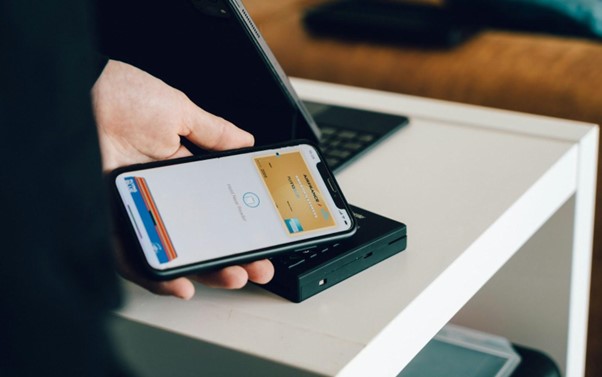
In addition to these solutions, mobile payment options complement the growing mobile gaming field, and services like Google Pay and Apple Pay have dominated in this arena. By enabling players to make payments directly from their smartphones, mobile payment services align with the objectives of mobile gaming and make user experiences more convenient.
These options rival cryptocurrencies as the most typically used alternatives but have some drawbacks such as security, transaction speed, and fees since they are centrally controlled and store sensitive user information. As a result, more gamers are looking for alternative solutions such as decentralized finance which boasts a wide variety of features including connecting individuals from different countries with ease.
Trends by Different Countries
Different countries have varying norms in preferred payment methods to use, for example, in the United States credit and debit cards are predominant among console gamers. E-wallets are also quite popular since they don’t require the use of banking details on gaming platforms similar to digital currencies.
In Germany, e-wallet options are also growing in popularity which supplements the use of prepaid cards and bank transfers as the most popular options. These services are being used alongside regulatory guidelines more importantly in the iGaming sector which has varying regulations.
On the other hand, gamers from Japan have prioritized mobile payments driven mostly by the adoption of mobile gaming. This payment method has been used primarily for in-game purchases on social entertainment platforms that have grown in popularity in this region.
The Australian market has also adopted EFTPOS cards predominantly with a marked shift in crypto among younger players which reflects the broader trend of digital currency adoption. Although EFTPOS remains one of the more popular options nationwide, digital currencies are growing at an unprecedented rate and might eclipse this payment method.
All these global trends reflect the flexibility of gaming and the vast options that have been made available for players to engage in their favorite platforms conveniently with minimal hassles.
Conclusion
The evolving trends in gaming payment methods highlight the borderless nature of gaming and the adoption of the latest technologies to cater to shifting player preferences. To make this field cross borders, solutions like e-wallets and crypto have come to the forefront, reshaping the development of entertainment platforms worldwide while widening the horizons of gamers in different countries.
Although traditional services like debit and credit cards still dominate in some parts of the world, the discussed innovative solutions are making a difference even in local markets with the aim of making gaming more accessible and convenient.