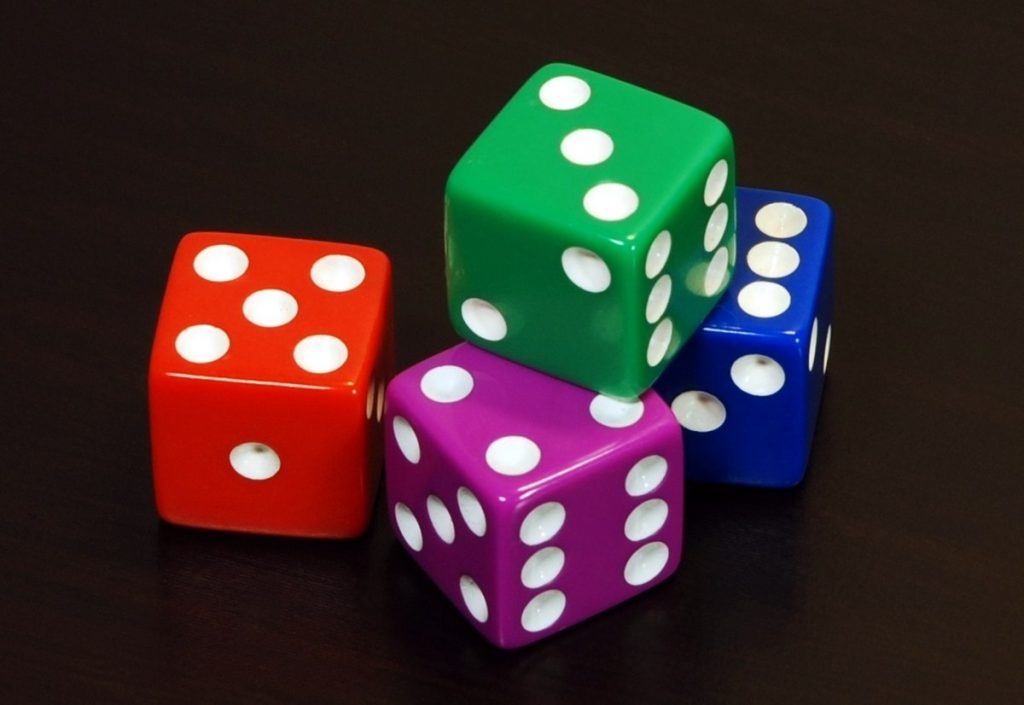
Randomness in games can be a great way to keep things exciting. When players don’t know exactly what to expect, they feel compelled to execute a move to see what happens. The psychology of randomness is actually a little more complex than this, but also extremely interesting. For example, research into social media found that one of the major reasons people felt compelled to post a new status or send out a tweet, was randomness. When you put a post on social media, you can never be sure how many likes or shares you are going to get. And it’s this random element that drives more action. Randomness, or RNG, in games, works much the same way. Today we’re going to delve into exactly how RNG impacts players.
Positive Impacts
There are many positive impacts of RNG, but first, let’s look at the ways RNG is used in games. RNG stands for Random Number Generator and the term is used to describe all mechanics in a game where a random number is generated that affects the outcome of an event. For example, in fantasy games like Old School Runescape (OSRS), killing monsters results in drops of OSRS items. Each monster will have its own loot table of items that are possible to get by killing the monster.
However, the chances of getting rare items are extremely low. Your chance of getting a certain item is dependent on the random numbers you roll behind the scenes. World of Warcraft is notorious for having extremely rare items that are very difficult to get. For example, the Big Love Rocket is only obtainable during the annual Love Is In The Air event. A maximum of one can drop each day during the event, but the drop chance is 1/3333. If a player wants this item, it would make almost no sense to farm it themselves. Instead, they would be better off just looking for it on online virtual marketplaces like Eldorado .
With that in mind, here are the main benefits of RNG in games:
- It keeps things fresh and exciting. Without RNG the game can become monotonous.
- Players feel great when they receive a very rare item through luck. Getting rare items makes us feel special and getting them as a surprise (when you’re not expecting them feels even better).
- It allows weak players to get ahead. Weaker players often struggle to get enough good items to make gameplay rewarding and enjoyable. Of course, all players can’t receive the same rewards regardless of skill level, but games still need to be conscious of not punishing weaker players.
- Weaker players get to win sometimes. We all like to win, even casual players. Some players don’t have the time to spend many hours in a game, but just want to log in for a few hours on the weekend. There would be no reason for these players to keep logging in if they lost every fight. With random mechanics like critical strike chances, these players can sometimes win fights even with weaker gear.
The Negative Impacts of RNG
Many players become frustrated with RNG in games, but why? RNG injects variety into the game, but at the cost of player agency. The problem is, players like both randomness and agency.
The Delta of Randomness in Games
This means the difference between the best and worst possible outcomes, or how big of a role randomness plays in the game. For example, if your chances of winning a game are as likely as a coin toss (50/50), then this game has a high delta of randomness. If a game has a low delta of randomness, it means you can predict an outcome (or increase your chances of getting an outcome by executing certain actions).
Agency vs Randomness
In the coin toss example, the player has almost no agency. The only agency they have is whether to play the game or not, after that decision, the outcome is decided for them. Why would anyone want to play this type of game? Some people might, but these people would be in the minority. The only reason they would play is for the chance of getting a desirable outcome, but the game would be no more advanced than a slot machine.
When a player has a lot of agency, they feel in control of their character and their destiny. If they lose, it’s their fault. They just weren’t good enough. Agency is important in games, but too much agency can also be a bad thing. We aren’t always performing at our best. How many times has your team lost a game and you hear your teammate say “well it was because I had the sun in my eyes”, “they were cheating”, “my keyboard wasn’t working right”, or any other excuse? Sometimes we need a reason for why we lost and the answer “you weren’t good enough” doesn’t feel good to players. If players can tell themselves they lost because they got a bad RNG, they feel better.