The PlayStation 4, in particular, continues to be lauded for the exclusive, story-driven games that continue to make the consoles the best-selling in the world. Sony’s first-party studios boast a tremendous talent for world-building and narrative composition within the realms of a video game.
Throughout human history, the mythologies crafted by ancient civilisations have been a great source of story-telling, with many persisting in our cultures to this day, even being taught around the world. Most recently, PlayStation earned global praise for God of War, which strangely – but perfectly – brought a character of a long-running Greek mythology series to the Norse realms.
It was the Game of the Year across the board in 2018, and now Ghost of Tsushima is mopping up the awards. While the story set during the Mongol invasions of Japan more closely adhered to history, it still drew elements from folklore and myth, especially in the Oni-drenched expansion ‘Legends.’
Now, the time is right for Sony to nudge one of its incredible studios to tackle one of the most famous, yet most neglected in gaming, mythologies: that of ancient Egypt.
Egyptian mythology continues to be craved across gaming
Source: Pixabay
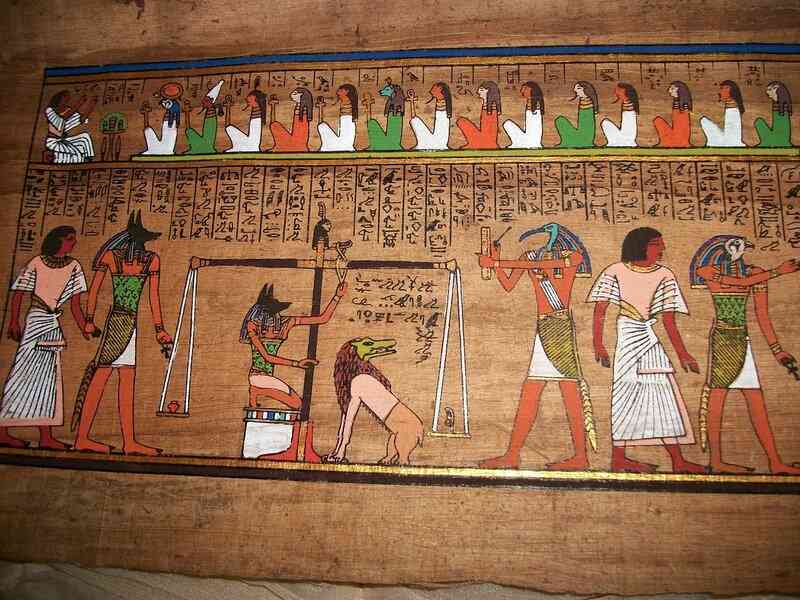
Console gaming has somehow all but overlooked the incredible popularity, familiarity, and richness of ancient Egyptian mythology. Just about any game that delves into the theme becomes a hit in its field, with there not being a finer example than Rich Wilde and the Book of Dead at the online casinos. Blending ancient funerary texts with the idea of exploring the tombs, it remains one of the biggest slots in the world.
In fact, even in Norway, where interest is at its peak for the native Norse mythology, Book of Dead ranks as the most popular vending machine despite the many Thor, Odin, and Valkyrie-themed games. Of all of the highly-rated Casino Spesialisten bonus offers available, it’s Book of Dead that underpins most free spins bonuses. It speaks to the enduring global interest in the theme and that there’s more to be explored.
Outside of slots, we’re in the midst of a wave of exciting indie studios intricately crafting games that are set in the realms of less-explored mythologies. Mulaka from Lienzo draws from the Tarahumara culture and its legends, Raiji: An Ancient Epic is drenched in Hindu mythology, and the upcoming game Aztech Forgotten Gods puts a futuristic, yet stone-based, spin on the ancient Aztec world and its deities. Yet Egyptian mythology remains neglected, perhaps as it’s so popular that it doesn’t seem unique enough for a new game.
Deserving of the Sony treatment
Source: Unsplash
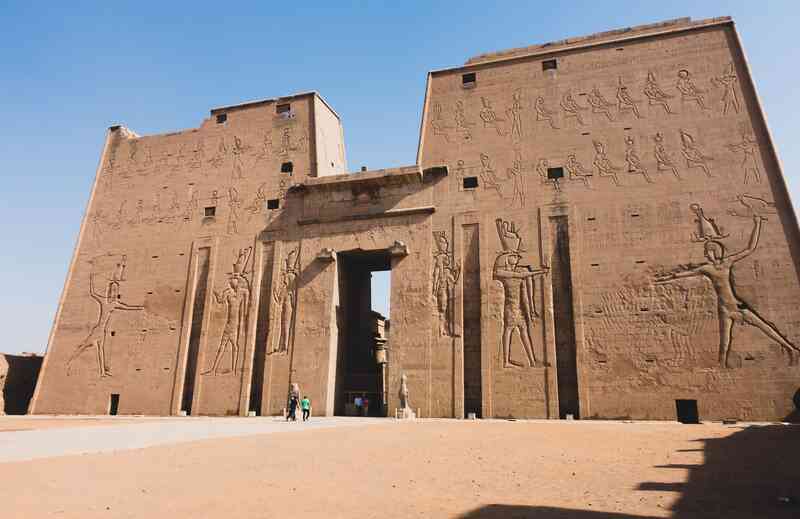
However, big-budget, unique console efforts haven’t yet explored the tales and setting of ancient Egyptian mythology in deserving depth. Sure, Assassin’s Creed Origins went to ancient Egypt, but it was much more a case of Ubisoft bending the base game formula into the historical setting, adding a bit of mythological influence primarily in The Curse of the Pharaohs DLC, as detailed by The Sixth Axis.
Much like many mythologies, the ancient Egyptian tales tell of how the people perceived the world to work and how they thought it came to be, but it also goes much further. There are tales of betrayal, revenge, sibling rivalries, power struggles, and love that all feature the iconic deities that have been preserved through the millennia. On the other hand, the characters themselves are also so distinct in their mannerisms through these tales that their exact stories can be bent into a gamified narrative without ruining the lore.
The battles between relatives Horus and the conniving Set would make for a grand overarching story. Anubis could be ever-present as the gatekeeper of the afterlife should the player fall, or could intertwine with the Horus-Set story, as Set kills the older Osiris and then tries to murder his son, Horus. Then, there’s also the likes of Thoth and Isis, known for magic, the black cat healer Bastet, and the warrior goddess Sekhmet.
Of course, God of War has set the standard when it comes to games based on mythology, so it’s tough to picture a formula dissimilar to its fish-out-of-water exploration of the realms as stories unfold around Kratos. Still, given the novel design of the deities, the lore available, and its massive popularity, Sony should be exploring ways to bring ancient Egyptian mythology to life.