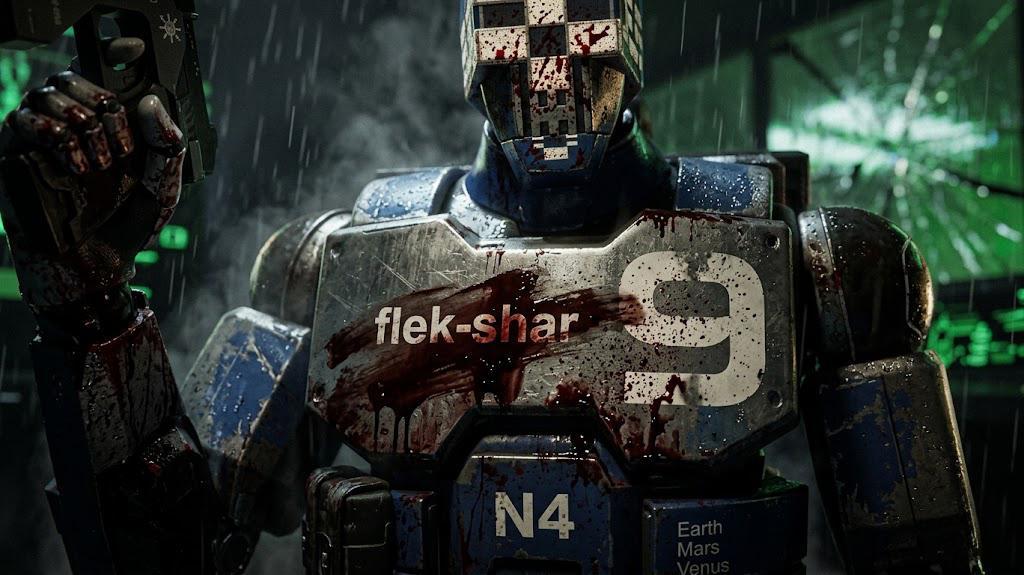
Bungie’s Marathon launched on March 5, 2026, after a rocky road involving a delayed alpha, a stolen artwork controversy, and more than a few rounds of studio layoffs. It is a PvPvE extraction shooter set on the abandoned colony world of Tau Ceti IV, where players drop in as cybernetic mercenaries called Runners, loot whatever isn’t bolted down, and try to exfiltrate alive. If you’ve been watching the discourse and wondering whether to jump in: or whether to look into Marathon boosting services to fast-track your early progression: this review will give you the actual picture.
What Is Marathon, Exactly?
Marathon is not a remake or a continuation of the original 1994 Bungie trilogy in any narrative-direct sense. It is set in the same universe, fifty years after the original colony ship went dark, but it is a new game built around an entirely different design philosophy: extraction, tension, and impermanent gear. You infiltrate a map, fight AI enemies and other players simultaneously, collect loot, and exfiltrate before dying and losing everything you brought in.
The game launched on PS5, Xbox Series X/S, and PC with full cross-play and cross-save from day one. No PlayStation account is required on Windows or Xbox, which was a quiet but welcome move from Bungie after the Helldivers II incident. You can play solo, in crews of two or three, or drop in as Rook: a gearless solo mode that lets you sneak into active lobbies with nothing to lose.
The Core Loop: Where It Actually Delivers
Bungie’s gunplay remains the best argument for playing this game. Every weapon has a distinct sound design and feel. The six Runner shells: Thief, Destroyer, Assassin, Triage, Recon, and Rook: each offer meaningfully different kits, and build variety through implants, weapon mods, and core system upgrades is genuine. This is a systems-heavy game, and players who invest in understanding those systems are rewarded.
The things Marathon gets undeniably right:
Gunplay is best-in-class for the extraction genre: each weapon handles distinctly, not just visually.
The Runner shell system functions as a proper hero-shooter layer, making team composition matter.
Visual and environmental design is striking: Tau Ceti IV looks genuinely atmospheric.
No pay-to-win: all maps, shells, and gameplay items are available to every player each season.
Battle passes do not expire and older ones can be purchased retroactively.
The Controversial Parts
The single most divisive design choice is the mandatory seasonal wipe. Every three months, all player progress resets: gear, contract progression, faction standing, and player level are gone. Cosmetics, earned titles, and Codex progress carry over. Bungie frames this as keeping the game dangerous and loot meaningful. Whether you buy that reasoning or not depends heavily on what kind of player you are.
The onboarding is also genuinely punishing. The game does not hold your hand, and the extraction loop only clicks after several hours of investment. Reddit threads and Steam reviews both note this tension: Steam reviews sit at 90% positive from players who stayed, but early retention was clearly a challenge, with concurrent counts dropping significantly after launch weekend.
Marathon at a Glance: Key Facts
Category | Detail | Verdict |
Release Date | March 5, 2026 | Already live |
Platforms | PC, PS5, Xbox Series X/S | Full cross-play |
Price | ~$40 (Standard) | No subscription required |
Metacritic Score | 81 (as of late March) | Generally favorable |
Steam Reviews | Very Positive (90%) | Strong among active players |
Season Length | 3 months (mandatory wipe) | Divisive: know going in |
Estimated Sales | ~1.2M copies across platforms | Below targets but stable |
Progression, the Grind, and Getting Ahead
Because every season resets from zero, the early grind repeats every three months. That is either a feature or a bug depending on your schedule. Players who can commit time during the first few weeks of a season tend to establish a dominant gear advantage. For more casual players, the gap can feel significant: especially when running into fully-kitted crews mid-season.
The factions are a core part of progression that persist through wipes. Leveling your faction reputation unlocks contracts, gear access, and narrative content. Prioritising faction work early is the smart move each season: it is the one investment that compounds over time.
Things worth knowing before your first run:
Death is permanent for that run: everything you brought in is gone if you don’t exfiltrate.
Faction standing carries across season wipes; everything else does not.
Cryo Archive, the endgame zone, unlocked via community event and is only available on weekends: Bungie has acknowledged this limits access for some players.
Solo queue exists; you don’t need a premade crew to play, but coordination meaningfully improves survival rates.
So, Should You Play It?
Marathon is not for everyone, and Bungie isn’t pretending it is. It is a niche extraction shooter with Bungie’s production quality, a genre-leading gunfeel, and a seasonal structure that will drive away players who want persistent progression. For those who accept the terms, it is one of the most technically accomplished entries in the extraction genre.
Bungie has committed to ongoing support, with Season 2: ‘Nightfall’: scheduled for June through August 2026 and bringing a night-time Dire Marsh variant, a new Sentinel Runner shell, and additional weapons. The Wiki’s Marathon maintains an updated content roadmap if you want to track what’s coming before committing. The studio has explicitly stated it is planning years of support: though that word does a lot of heavy lifting given the company’s recent history.
The honest summary: if extraction shooters are your genre, Marathon is currently the best-feeling option available. If you’ve never enjoyed extraction gameplay, no amount of Bungie polish will change that. And if your main concern is maximizing your season start rather than grinding through it: well, that’s a calculation that each player has to run for themselves every three months.