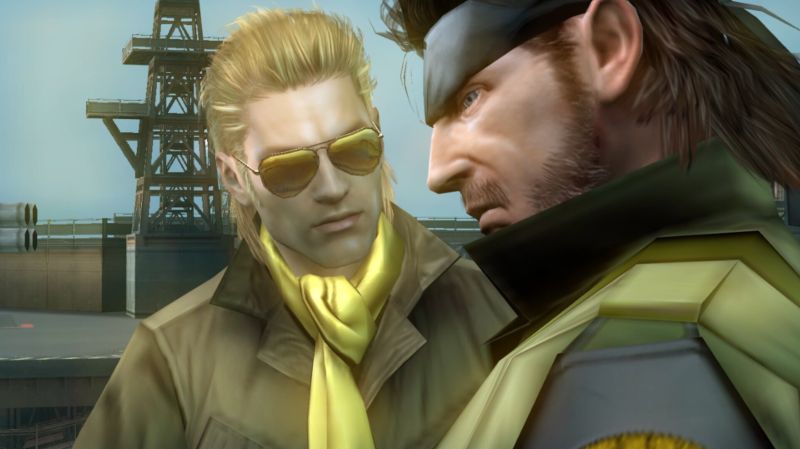
Konami’s second Metal Gear Solid collection arrives on 27 August, and its most important inclusion is also its most difficult one. Metal Gear Solid 4 Guns of the Patriots has spent years tied to the PlayStation 3, making it one of the hardest major entries in the series for newer players to access.
The new collection also includes Metal Gear Solid Peace Walker and Metal Gear Ghost Babel, but Metal Gear Solid 4 will draw most of the attention. It closes Solid Snake’s story, contains some of the series’ most memorable moments and remains one of the most unusual big budget games of its era.
While a new online casino might make speed and novelty the focus of its welcome screen, this collection has a more demanding task. It needs to preserve games that were made for very specific hardware and help them feel understandable to people playing them for the first time in 2026.
That is harder than putting old games in one package.
Metal Gear Solid 4 needs more than a technical update
When Metal Gear Solid 4 launched in 2008, it felt built around the PlayStation 3. Its long cutscenes, detailed environments and ambitious story were part of what made it a talking point, but they also made it difficult to separate from the machine it was designed for.
The game follows an ageing Solid Snake in a world where private military companies have reshaped global conflict. Liquid Ocelot sits at the centre of that system, and Snake is pushed into one final mission that brings together storylines from earlier games.
That sounds straightforward when reduced to a paragraph. In practice, Metal Gear Solid 4 can be dense, emotional and deliberately strange. It expects players to know the history of Snake, Big Boss, Ocelot, Raiden, Otacon and several other characters whose stories stretch back decades.
The collection cannot remove that complexity, and it should not try. Part of the appeal lies in how committed the game is to its own history. What it can do is make the entry point less intimidating.
Konami has confirmed improvements to internal resolution, maximum frame rate and button customisation. The collection also includes scenario books for each game and a master book focused on story and characters.
Those additions matter because Metal Gear Solid 4 is not a game players can fully understand by watching a short recap video. It benefits from context, but it also needs room for players to discover its oddness themselves.
Peace Walker gives the collection a second centre
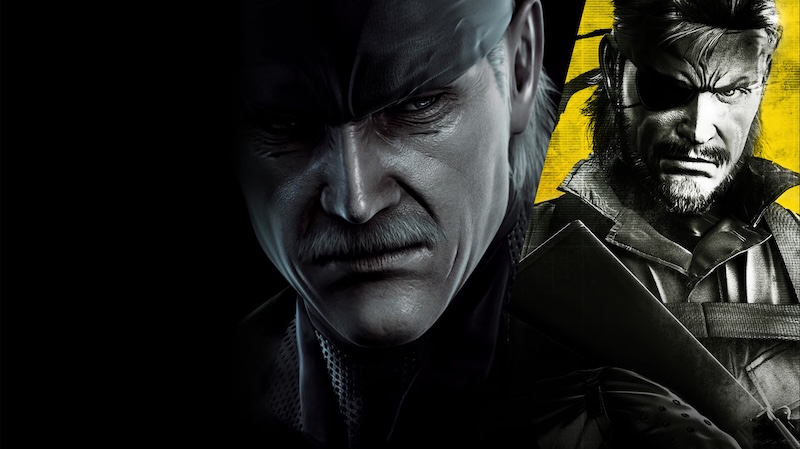
Peace Walker gives the package a different kind of Metal Gear experience. It follows Big Boss in Costa Rica, years before the events of the original Metal Gear Solid. The setting is smaller in scale than Metal Gear Solid 4, but its ideas are just as important to the wider series.
The game introduced a management system that let players build a private army, recruit soldiers and develop equipment between missions. That structure later influenced Metal Gear Solid 5 The Phantom Pain, making Peace Walker more important than its original handheld release may suggest.
It also has a strong cooperative side. The new collection includes the version with two to four player cooperative missions, as well as competitive modes for up to six players. That gives the game a different pace from Metal Gear Solid 4, which remains a more solitary and cinematic experience.
The contrast could be one of the collection’s strengths. Players can move from Snake’s final story to Big Boss building his own future, then return to missions with friends and approach them in a more flexible way.
For people who know only The Phantom Pain, Peace Walker may be the game that explains why so many of its systems and relationships matter.
Ghost Babel deserves to be more than bonus content
Metal Gear Ghost Babel is the smallest game in the collection, but it should not be treated as an afterthought. Originally released for the Game Boy Color, it tells an alternate story starring Solid Snake and takes the series’ stealth ideas into a much more limited technical space.
That limitation forced the game to be clear. Players need to read enemy movement, use the environment carefully and understand how each room works. There is no room for huge cinematic sequences or dramatic camera angles. The tension comes from simple rules and tight spaces.
It is also a reminder that Metal Gear did not always depend on massive production values. The series can work when reduced to a screen, a few guard routes and the question of how to get past them without being seen.
The collection adds screen filters, visual settings, a rewind option and customisable controls for Ghost Babel. Those changes should make the game easier to approach without taking away the challenge that made it memorable.
A player who starts with Metal Gear Solid 4 may be surprised by how much of the series’ identity can still be found in a handheld game from 2000.
The collection should help players connect the series
The problem with any anthology release is that a list of games does not automatically become a good introduction. Players need to know where to start, what to expect and why each entry belongs beside the others.
This collection has a clearer purpose than most. Metal Gear Solid 4 completes one major story. Peace Walker develops another. Ghost Babel shows how adaptable the series could be even outside its main continuity.
That gives players several ways in. Someone interested in Solid Snake’s ending can begin with Metal Gear Solid 4. Someone who enjoyed the open ended systems of The Phantom Pain can move towards Peace Walker. Someone curious about older stealth design can spend time with Ghost Babel.
The supporting material will be important here. Scenario books and character guides may sound like extras for dedicated fans, but they could make the collection much more welcoming for people who missed the series the first time around.
Metal Gear has always been full of names, organisations and relationships that can feel overwhelming. A little help does not weaken the mystery. It lets players focus on the parts that make the games memorable.
August gives the collection room to find an audience
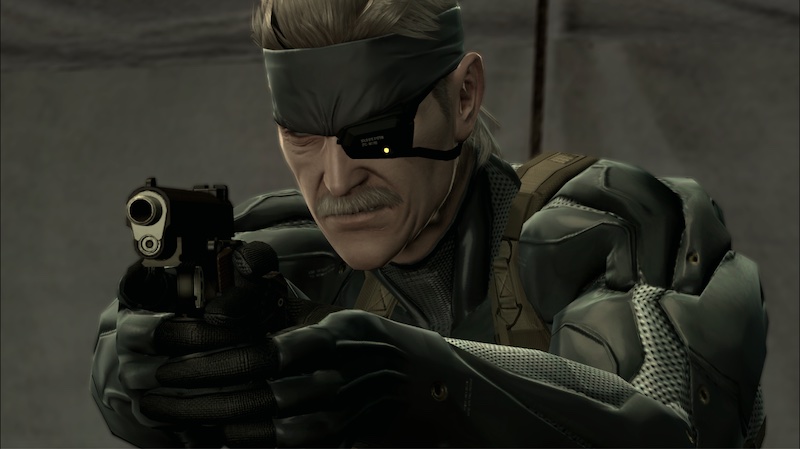
The 27 August release date places the collection near the end of the summer games calendar, when players may be looking for something more substantial than another short update or multiplayer event.
The package does not need to compete through new mechanics or an entirely original story. Its value comes from access. For years, Metal Gear Solid 4 has been a major gap in a series that many players want to experience from start to finish.
If Konami handles the technical work well, the collection could do more than bring three older games to current hardware. It could make a complicated, often brilliant part of Metal Gear history easier to understand.
That is a worthwhile release.