Sony’s flagship gaming console reaches a significant milestone as it celebrates half a decade on the market. Launched in November 2020 amidst unprecedented global circumstances, the PS5 has navigated through turbulent waters to emerge as a formidable competitor in the gaming landscape. The console’s journey reflects both the resilience of Sony’s gaming division and the unwavering enthusiasm of the gaming community. Despite facing supply chain disruptions and component shortages that plagued its early years, the latest PlayStation iteration has remarkably achieved sales figures that mirror its predecessor’s impressive performance, demonstrating the enduring appeal of Sony’s gaming ecosystem.
Overcoming unprecedented launch obstacles
The PlayStation 5’s arrival coincided with global challenges that would have derailed lesser products. Manufacturing constraints stemming from semiconductor shortages created a scarcity that persisted well into 2023, leaving countless gamers frustrated in their attempts to secure a unit. Scalpers exploited the situation, reselling consoles at inflated prices through various channels. Yet Sony persevered, gradually increasing production capacity and implementing measures to ensure legitimate customers could purchase their hardware.
The company’s strategy involved direct-to-consumer sales initiatives and lottery systems that helped circumvent automated purchasing bots. These innovative distribution methods represented a significant departure from traditional retail approaches. Beyond availability issues, the console launched with a relatively modest game library, relying heavily on backward compatibility with PS4 titles to maintain player engagement. However, exclusive releases like Demon’s Souls and Spider-Man : Miles Morales provided compelling reasons for early adopters to invest in the new hardware despite the challenges.
Much like how dedicated enthusiasts track their favorite entertainment across different platforms, Sportwetten Österreich demonstrates the passion communities bring to their respective interests. The gaming community’s dedication mirrored this commitment, with players actively supporting the platform through its difficult initial phase. By mid-2023, production finally stabilized, allowing Sony to meet demand consistently and rebuild consumer confidence in product availability.
Matching the PS4’s remarkable trajectory
Sales performance serves as the ultimate metric for console success, and the PlayStation 5 has delivered impressive numbers. As of December 2024, the console has sold approximately 50 million units worldwide, a figure that closely aligns with the PS4’s performance at the same point in its lifecycle. This achievement becomes even more remarkable when considering the two-year handicap imposed by supply constraints.
The PS4, launched in 2013 under considerably more favorable circumstances, enjoyed consistent availability throughout its early years. Its predecessor benefited from launching during a transitional gaming period when consumers eagerly embraced the shift to eighth-generation hardware. The comparison reveals several interesting dynamics:
- Regional performance variations: North America and Europe drove early PS5 adoption with exceptional enthusiasm
- Digital adoption rates: The PS5 Digital Edition captured a larger market share than initially projected
- Ecosystem retention: Approximately 87% of PS4 owners expressed intent to upgrade to the new generation
- Average revenue per user: PS5 owners demonstrate higher spending on digital content and services
The financial implications extend beyond hardware sales. Sony’s PlayStation Network subscription services have grown substantially, with PlayStation Plus memberships exceeding 47 million subscribers globally. Game sales on the platform demonstrate healthy engagement, particularly for first-party exclusives that leverage the console’s advanced capabilities. Titles like Horizon Forbidden West, God of War Ragnarök, and The Last of Us Part I have achieved both critical acclaim and commercial success.
Technical innovations driving market position
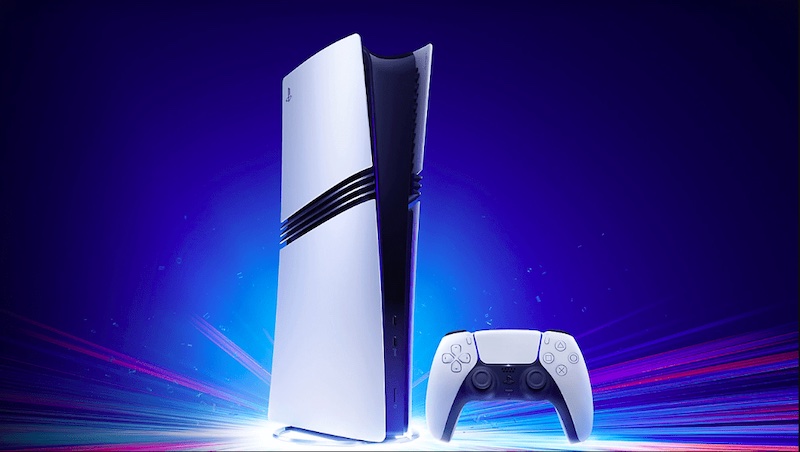
Hardware specifications distinguish the PS5 from its predecessor in meaningful ways. The custom AMD processor delivers substantially improved performance, while the revolutionary SSD storage solution virtually eliminates loading times. Ray tracing capabilities enable unprecedented visual fidelity, creating gaming experiences that were previously impossible on console hardware. The DualSense controller represents perhaps the most tangible innovation, with haptic feedback and adaptive triggers providing immersive sensory experiences.
These technological advancements have enabled developers to create experiences that fully utilize the hardware’s potential. Games designed specifically for the platform showcase visuals and performance that justify the generational leap. The Tempest 3D audio engine delivers spatial sound that enhances immersion, particularly when paired with compatible headsets. Meanwhile, the console’s ability to maintain consistent frame rates at higher resolutions satisfies both casual players and performance enthusiasts.
Sony’s iterative hardware refinements have also played a role in sustained success. The console has undergone several internal revisions that improved manufacturing efficiency and reduced production costs. These optimizations allowed Sony to maintain profitability while occasionally implementing strategic price adjustments in various markets. The rumored PlayStation 5 Pro, expected to launch in late 2024, promises enhanced specifications for enthusiasts seeking cutting-edge performance.
Shaping the future of interactive entertainment
Looking forward, the PlayStation 5 stands well-positioned to continue its successful trajectory. Sony’s investment in first-party studios ensures a steady stream of exclusive content that differentiates the platform from competitors. Upcoming releases from Naughty Dog, Sucker Punch, and Insomniac Games promise to leverage the hardware’s capabilities in unprecedented ways. The company’s acquisition strategy has expanded its development portfolio, bringing talented studios like Bungie into the PlayStation ecosystem.
Service-based revenue models represent an increasingly important component of Sony’s gaming strategy. The tiered PlayStation Plus subscription system provides players with extensive game catalogs, online multiplayer functionality, and cloud streaming capabilities. This approach generates recurring revenue while enhancing customer retention and engagement. The platform’s cloud gaming infrastructure continues to evolve, potentially enabling future innovations in how consumers access and experience interactive content.
As the console enters its second half-decade, market dynamics suggest continued growth potential. The installed base provides developers with a substantial audience for new releases, encouraging investment in ambitious projects. Cross-generation support is gradually diminishing as studios focus exclusively on current hardware, unlocking creative possibilities that weren’t feasible when maintaining backward compatibility. The PlayStation ecosystem has demonstrated remarkable resilience and adaptability, positioning Sony’s gaming division for sustained success in an increasingly competitive entertainment landscape.