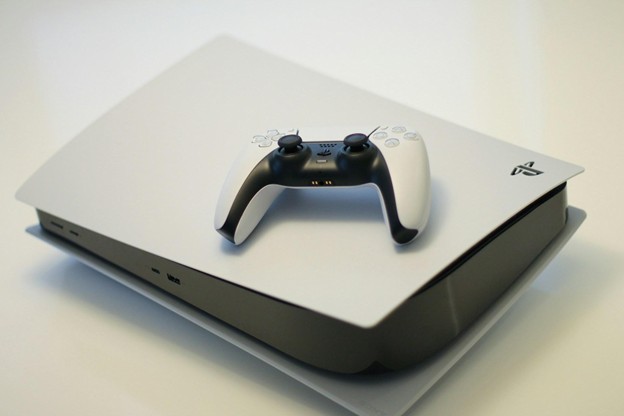
Price adjustments are a normal part of business and not something that can be avoided in free-market economies. However, there is also something to be said of knowing your base and ensuring that price adjustments are within reasonable limits. Sure, this can be a tricky balancing act when it comes to the PlayStation. After all, Sony have prided themselves over the years on delivering a premium gaming experience to their most ardent long-term customers.
If you’ve stuck with Sony since the PS1, you likely expect every new iteration of Sony’s consoles to come with massive upgrades. Whether it’s the graphics, the gameplay, or the valued added features like the console doubling as something else, each console has gotten progressively cooler and more expensive as a result. PlayStations have always been expensive too. However, now that they’ve breached the $750 mark, many lifelong fans are questioning whether it’s time for a switch to a cheaper option?
As one of the most viable alternatives to console gaming, online gaming services have exploded in popularity over the past few years, offering flexible subscription models that bring hundreds of titles directly to laptops, tablets, and even phones. PC-based platforms are thriving too, with affordable hardware configurations and digital libraries that can be customized to fit nearly any budget. In this shift, online casinos have found a growing audience as well.
Many trusted online casino guides exist now to help players find platforms that suit their preferences while ensuring safe payments, quick withdrawals, and generous bonuses. For many, these sites represent the kind of convenience and flexibility that console gaming can no longer match. Local players, in particular, are drawn to features like instant play options and secure transactions, making online gaming a stronger alternative when hardware costs keep climbing.
Console makers, meanwhile, seem committed to pushing premium experiences, justifying price hikes by pointing to technological advances, graphical upgrades, and integrated ecosystems. Yet these improvements come at a cost, literally, and the rising prices can be alienating. Families weighing the purchase of a new console often find themselves comparing that one-time spend against years of access offered by online services. Where a console might require $750 upfront, a mid-tier subscription or even a curated gaming PC can feel like better value over time.
The competition isn’t just coming from casual online platforms either. Cloud gaming is starting to reshape expectations about access. Services like Xbox Game Pass and Nvidia GeForce Now allow players to stream titles directly, often bypassing the need for expensive new hardware. As these platforms become faster and more reliable, the traditional argument for owning a console weakens. Players no longer need to pay a premium just to enjoy cutting-edge releases when streaming can deliver comparable quality at a fraction of the cost.
At the same time, console exclusives are no longer as dominant as they once were. Developers are increasingly moving away from limiting titles to one platform, releasing blockbuster games across PC, mobile, and multiple console families. The walls around these ecosystems are falling, and with them goes one of the strongest reasons to stay locked into a single, pricey device. Gamers know that they can access their favourite titles elsewhere without committing hundreds of dollars to proprietary hardware.
This isn’t to say consoles are fading away. For many gamers, the physical presence of a dedicated device, the feel of a controller, and the promise of an optimised experience still hold powerful appeal. Console gaming remains immersive in a way that is difficult to replicate elsewhere. Yet with prices edging closer to luxury territory, these experiences are becoming harder to justify for casual players who no longer see them as essential. The conversation shifts when there are more accessible ways to enjoy gaming at home or on the go.
For the big three, Microsoft, Sony and Nintendo, this pricing strategy carries risks. As consoles become more expensive, they increasingly cater to a smaller, more dedicated audience. While this group is loyal and willing to pay for high-end features, relying on them too heavily could leave an entire generation of gamers building their habits elsewhere. Online platforms, subscription models, and casino-style gaming sites are carving out space where the value proposition is clear and upfront.
As the PS5 passes the $750 mark, gamers are faced with a choice that feels less about hardware and more about lifestyle. The balance of convenience, price, and value is shifting, and console makers will need to decide how far they can stretch before the audience decides to leave them behind.