Cricket in India is not merely a sport; it is a national obsession that transcends language, region, and class. As the game continues to evolve within the country, so too does the way it is played in different regions. Each zone in India—north, south, east, west, and central—brings its own unique flavor to the sport, influenced by cultural, environmental, and historical factors. With the Indian Premier League (IPL) acting as both a catalyst and a mirror for regional cricketing identities, these styles have become more pronounced and celebrated.
Many fans in India are now not just watching cricket, they are actively involved in it by betting online. For those seeking a reliable platform to compare options, Betraja offers curated reviews and advantages of different betting sites, making it easier to select the one that suits your preferences and ensures a safe and enjoyable experience.
North India – Aggression and Power
Cricketers from northern India—especially states like Punjab, Delhi, Haryana, and Uttar Pradesh—are often associated with an aggressive and power-packed playing style. This aggression stems in part from the region’s sporting culture, which emphasizes physical strength, resilience, and competitive spirit. The agricultural lifestyle and robust physical training in these areas often produce fast bowlers and hard-hitting batters.
Legends like Virender Sehwag and Yuvraj Singh exemplify this style, known for their fearless shot-making and bold approach. More recently, stars such as Rishabh Pant and Shubman Gill continue the legacy of aggression blended with natural flair. Bowlers from this region, such as Mohammed Shami, bring pace and intensity to the field, reinforcing the image of North India as the home of hard-hitting cricket.
West India – Flair, Temperament, and Technique
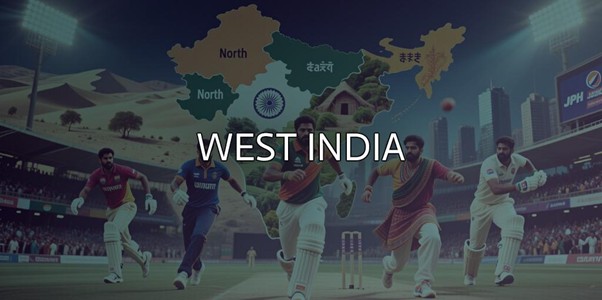
Western India, particularly Maharashtra, Gujarat, and Mumbai, is known for its deep-rooted cricketing tradition. This region has historically focused on developing technically sound and temperamentally strong players. The famed maidans of Mumbai have produced some of India’s most celebrated cricketers, including Sunil Gavaskar, Sachin Tendulkar, and Rohit Sharma.
The region emphasizes structured coaching systems and competitive inter-school and club-level cricket. Players from Mumbai are often trained to build innings methodically, relying on classical technique and a cool temperament under pressure. Even the bowlers from this region, like Zaheer Khan, are known for strategic thinking rather than brute force. Western India’s cricket reflects a blend of discipline, technical precision, and calculated risks.
South India – Technique and Consistency
Southern India—encompassing Karnataka, Tamil Nadu, Andhra Pradesh, and Kerala—has long been a cradle for technically proficient and consistent players. The region’s cricket academies, such as those in Bangalore and Chennai, focus heavily on fundamentals, footwork, and long-term development.
The South Indian playing style is often described as elegant and methodical. Cricketers like Rahul Dravid, Anil Kumble, and VVS Laxman represent the cerebral and composed nature of southern cricket. These players are celebrated for their discipline, patience, and ability to build long innings. More recent stars like Ravichandran Ashwin and KL Rahul also reflect this calm and calculated approach, using intelligence and consistency to dominate opponents.
East and Northeast India – Grit and Growing Influence
Though traditionally underrepresented in Indian cricket, the eastern and northeastern regions—including Bengal, Assam, Jharkhand, and Manipur—have begun to establish their own identities in the national cricketing narrative. The hallmark of players from these regions is grit, determination, and the ability to rise against odds.
Perhaps the most iconic figure from this region is MS Dhoni, hailing from Ranchi in Jharkhand. His rise to fame brought attention to the cricketing potential of eastern India. Bengal has also contributed stalwarts like Sourav Ganguly, whose leadership qualities and elegant batting helped redefine Indian cricket on the global stage. As infrastructure and training facilities continue to improve, the northeast is gradually becoming a hub for raw talent, characterized by endurance, adaptability, and untapped potential.
Central India – All-Round Adaptability
Central India, including Madhya Pradesh and Chhattisgarh, represents a more balanced and adaptive style of cricket. The region does not boast a long list of iconic cricketers but is beginning to produce players who are versatile and capable of adapting to various formats and conditions.
Cricketers from central India often display a mix of the styles seen in neighboring regions. They tend to have a well-rounded skill set, with moderate aggression, solid technique, and mental toughness. The state’s cricket boards have invested in grassroots development, aiming to mold players who can seamlessly shift between Test, ODI, and T20 formats.
Cultural and Environmental Influences on Style
The diversity of cricketing styles in India is deeply rooted in the country’s vast cultural and environmental landscape. Climate, playing conditions, coaching infrastructure, and societal values all play a role in shaping a cricketer’s style.
For instance, the hot and humid conditions in the South encourage stamina-based play and defensive techniques, while the harder pitches in North India favor pace and power. In metropolitan regions like Mumbai and Delhi, access to professional coaching and competitive leagues fosters early exposure to high-pressure situations. Rural and semi-urban areas, on the other hand, cultivate raw talent that often breaks into the national scene with unique, unorthodox skills honed through informal matches.
The Indian Premier League has further amplified these regional styles by offering a platform where local talent competes alongside international stars. It has created a feedback loop where players from different states influence each other, making the game more dynamic and hybrid.
Final Thoughts
India’s cricketing landscape reflects the country’s immense cultural and regional diversity. From the raw power and aggression of the North to the technical mastery of the South, the disciplined flair of the West, the rising grit of the East and Northeast, and the balanced adaptability of Central India, each region brings something unique to the game.
These distinctive styles are shaped not only by geography and climate but also by local traditions, values, and training systems. As India continues to develop its cricket infrastructure and promote talent from every corner of the nation, this rich variety strengthens the overall character of Indian cricket.
The Indian Premier League has further highlighted these regional identities, offering a national stage where players showcase their unique approaches. Together, they form a vibrant, ever-evolving cricket culture—one that mirrors the diversity and dynamism of India itself.