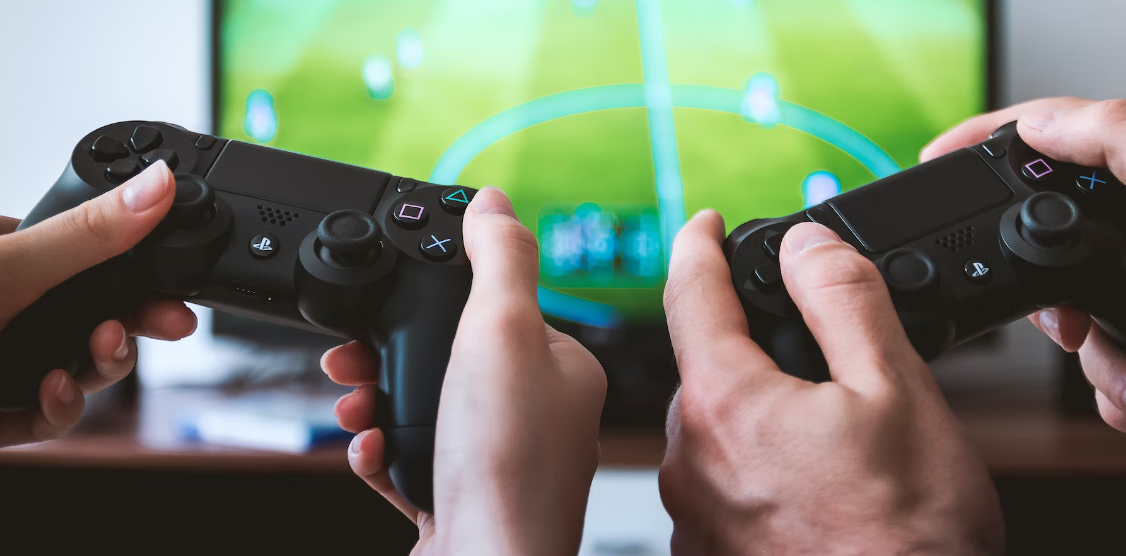
Diving into textbooks for hours might seem productive, but it’s the clever use of study breaks that can truly sharpen focus. PlayStation gaming, often seen merely as entertainment, can actually be a tool for enhancing student productivity. When used judiciously, short gaming sessions provide not just an escape but a mental rejuvenation, recharging the brain and potentially boosting academic performance. This article explores how controlled bursts of gaming can contribute to more effective study habits and better overall results.
Understanding the Need for Study Breaks
Cognitive science tells us that our brains aren’t designed for marathon studying sessions. Regular breaks can actually help consolidate learning and enhance retention. Imagine each study session as a sprint, not a never-ending race. This approach allows information to sink in and stay there.
Non-stop studying often leads to burnout, a state where even the simplest task feels overwhelming. To avoid this, taking breaks is crucial. Think of them as necessary pit-stops in your study journey. Sometimes, it might even mean stepping back to order a custom essay to free up some time for other priorities. Doing so can help maintain a healthy balance, ensuring your study time is effective and not just a ticking clock.
The Psychology of Gaming as a Break
Gaming can be like hitting the reset button for your brain. When you play, your mind shifts gears from learning mode to a playful state. This switch helps rest the parts of the brain you’ve been using to study, giving them a much-needed break.
While any pause in studying can be beneficial, gaming stands out. Unlike passive breaks, such as scrolling through social media, gaming is active. It engages your brain in a different way, which can be refreshing and revitalizing. It’s like giving your brain a mini-vacation.
These gaming breaks can recharge your mental batteries more effectively than simply doing nothing. They can awaken your senses and help you return to studying with a fresh perspective and renewed energy. This makes gaming a unique tool in your study break arsenal.
Timing Your Gaming Sessions
Integrating gaming sessions into a study routine can be an art form. The key is to schedule them strategically. A good rule of thumb is to set a gaming break as a reward for reaching a study milestone. Finished a chapter? Solved a complex math problem? These are perfect moments for a quick game.
The duration of these breaks is also crucial. A short, 20-minute session can be enough to unwind without falling into the trap of procrastination. It’s about finding the sweet spot where the break is long enough to refresh but not so long that it disrupts your study flow.
Use a timer to keep track. Once it rings, it’s a signal to save the game and switch back to study mode. This helps keep the day balanced between productivity and play, ensuring that each gaming session is a boost rather than a setback.
Choosing the Right Games
Selecting the right type of game for your break is crucial. Puzzle games or those with short levels are ideal. They offer a mental workout of a different kind, often requiring creative thinking rather than rote memorization. Games like ‘Tetris’ or ‘Lumines’ can be perfect, as they’re not only engaging but also naturally segmented into short sessions that fit nicely into a study break.
On the flip side, steer clear of deeply immersive RPGs or games with complex storylines like ‘The Witcher’ or ‘Final Fantasy’. These can be hard to put down and might lead you down a rabbit hole that eats into your study time. Similarly, games that demand a steep learning curve or have lengthy missions, such as ‘Dark Souls’, can be more frustrating than refreshing.
The goal is to pick games that require just enough brainpower to be stimulating without being draining. Think of them as mental palate cleansers — games that can help shift your thoughts and leave you ready to tackle the next study session with renewed vigor.
Balancing Play and Work
Maintaining a balance between play and work is essential. To ensure gaming enhances your study efforts, consider it a reward system. Set specific study goals and use gaming as the prize for achieving them. This method turns your PlayStation into a motivational tool rather than a distraction.
Self-discipline is key. Decide in advance how long you’ll play and stick to it. You might play for half an hour after two hours of solid studying, for example. Using apps or alarms to remind you when your break is over can help keep you on track.
For those times when coursework mounts, and gaming has to take a backseat, tapping into the best assignment writing service can be a wise move. It’s about knowing when to delegate so that you can keep your study and play in harmony. Such services can offer a helping hand, keeping you on top of your academic game while still allowing time for that well-deserved gaming break.
Practical Tips for Integrating PlayStation Breaks
To integrate PlayStation breaks effectively, start by planning your study and break times. Use a digital timer to keep track. Aim for a gaming session after every 90 minutes of studying to align with the brain’s natural attention span. Keep your gaming console in a different room to avoid temptation during study time. Lastly, pick games that are easy to pause and leave—this ensures your break ends when it’s supposed to, allowing you to return to studying without resistance.
Conclusion
PlayStation gaming, when managed well, has the potential to turn study breaks into productivity power-ups. It’s about harnessing the fun as a strategic tool for rejuvenation. As students navigate their academic responsibilities, finding this balance can lead to refreshed focus and potentially enhanced academic performance. Remember, the key to benefitting from gaming breaks is disciplined moderation, aligning leisure with your learning goals for the best of both worlds.