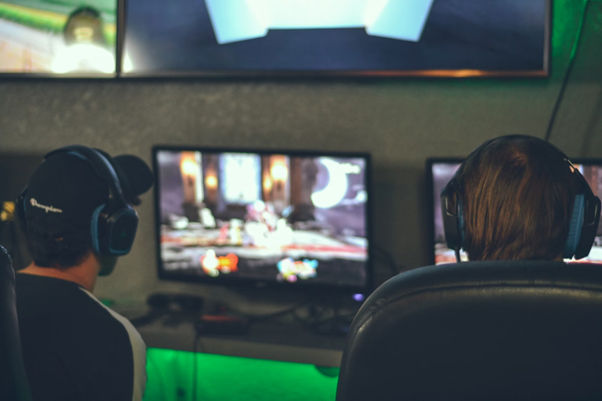
Sound design in video games is like the magic ingredient that makes the game’s world come alive. It’s not just about the music or the sound effects you hear when something happens in the game. It’s about creating an atmosphere that pulls you in and makes you feel like you’re there, in the game’s universe, experiencing everything just like the characters do.
Good sound design can make scary games spookier, adventures more thrilling, and calm moments more relaxing. It plays a huge role in making games more fun and engaging, turning good games into great ones.
The Basics of Sound Design in Gaming
The sound design in games involves everything you hear while playing. It includes the background music, the noise characters make, the sound of the environment, and even the silent moments that create tension. It’s all deliberately made to draw you deeper into the game’s world. Think of it like adding the perfect soundtrack to a movie – it sets the mood and enhances the story without you even noticing.
Why It Matters
Without sound, video games would feel empty. Imagine playing your favorite game but with no sound. You wouldn’t hear the footsteps of an approaching enemy, the chatter of characters, or the triumphant music after a victory. Sound design adds a layer to the gaming experience that graphics alone can’t provide. It makes games feel realistic or otherworldly, depending on the game’s theme.
How Sound Affects Player Experience
Sound interacts with our emotions and actions in ways that are both subtle and profound, directly impacting our gaming experience. For example, a game’s background music can instantly make us feel happy, anxious, or curious, guiding our emotional response to the game’s environment and stories.
This emotional guiding hand is crucial during gameplay; it can heighten the tension during challenging sections or provide relief after a stressful encounter. Additionally, sound cues, such as the sound of footsteps, can alert players to impending threats or opportunities, requiring quick reactions.
Key Elements of Video Game Sound Design
In the complex tapestry of video game sound design, several key elements stand out as critical to creating a captivating auditory environment. These elements work together to craft an immersive experience that transports players into the game’s world, enhancing every action and reaction.
Music in Video Games
The power of music in video games can’t be overstated. It’s like the heartbeat of every game, setting the rhythm and pace of the player’s experience. Just like movies use scores to amplify emotions and tension, video games use music to take us on a rollercoaster of feelings and help tell the story without a single word.
From the opening menu to the final credits, every note is precisely tuned to evoke specific emotions, whether it’s the adrenaline-pumping beats during a boss fight or the soothing melodies that play as you explore new worlds.
Music also plays a key role in creating a game’s identity. Think about the iconic themes from some of the most beloved games—it’s hard not to immediately recognize them and recall the adventures associated with those tunes.
This identity formation goes beyond just the game itself; it builds a community of fans who share these auditory experiences, much like fans of Fantasy Baseball Leagues. In both gaming and fantasy sports leagues, the shared experience—whether it’s a memorable soundtrack or the thrill of the competition—creates a sense of belonging and community among enthusiasts.
Sound Effects in Video Games
Sound effects in video games are just as crucial as the music. They’re the sounds that make actions in the game feel real. When you’re playing a game, every jump, crash, or blast has its unique sound. These effects add layers of realism and immersion, making every move you make and every environment you explore feel alive.
Think about walking through a forest in a game. With the right sound effects, you can hear leaves rustling under your character’s feet, distant bird calls, or a nearby stream. These sounds draw you into the game’s world, making it feel as if you’re truly walking through that forest. It’s this attention to detail that can transform a good gaming experience into a great one.
Additionally, sound effects play a critical role in gameplay mechanics. They can warn you of dangers that aren’t yet visible, signal the success of actions, or provide feedback during puzzles and challenges. For instance, the sound of an enemy hissing in the dark can put you on high alert, or the satisfying chime of solving a puzzle can spur you on. In multiplayer games, sound effects can also signal the actions of other players, adding a layer of strategy to the experience.
Voice Acting in Video Games
Voice acting brings characters to life in video games, giving them personalities and emotions that text and graphics alone can’t always convey. Just like in movies or TV shows, good voice acting can make characters feel real, creating a deeper connection with the player. Imagine your favorite game character speaking in a way that perfectly matches their personality—whether it’s a brave hero, a cunning villain, or a mysterious guide. This connection makes the story more engaging and immersive.
Video games can tell complex stories through the talent of voice actors. These actors use their voices to express a wide range of emotions, from joy and sorrow to anger and fear, making the game’s narrative more compelling. For example, in moments of victory, a character’s excitement can be contagious, inspiring players to feel triumphant. Conversely, during a defeat, the character’s disappointment or resolve can motivate players to keep trying.
Furthermore, voice acting is crucial in games with multiple dialogue options, where players can choose what their character says. This interactive storytelling aspect allows players to shape the game’s story based on their choices, making each playthrough unique.
The Takeaway
The beauty of video games lies not just in their visuals but also in how they sound. Everything, from the music that plays in the background to the voice of your favorite character, adds depth to the gaming experience. It’s these sounds that make the game more than just a series of tasks; they turn it into a story, an adventure, and sometimes even a piece of art.
Music sets the tone, creating an atmosphere that can be thrilling or calming. Sound effects make the game feel real, grounding the fantastical in something we can believe. And voice acting? That’s what brings characters to life, making them friends or foes we genuinely care about.
In a way, playing a video game is like being in a movie where you get to decide what happens next. The sounds you hear are a big part of that experience, influencing how you feel and react as you play. Whether it’s the triumphant fanfare when you conquer a difficult level or the spooky music that warns you of danger, every note, every sound effect, plays a role in the story unfolding on your screen.
To sum it up, sound in video games is a powerful tool. It can make you laugh, jump, or even shed a tear. It shapes the game’s world, making it more vivid and immersive. Without it, games would be like silent movies—still fun but missing a key ingredient that brings everything to life.