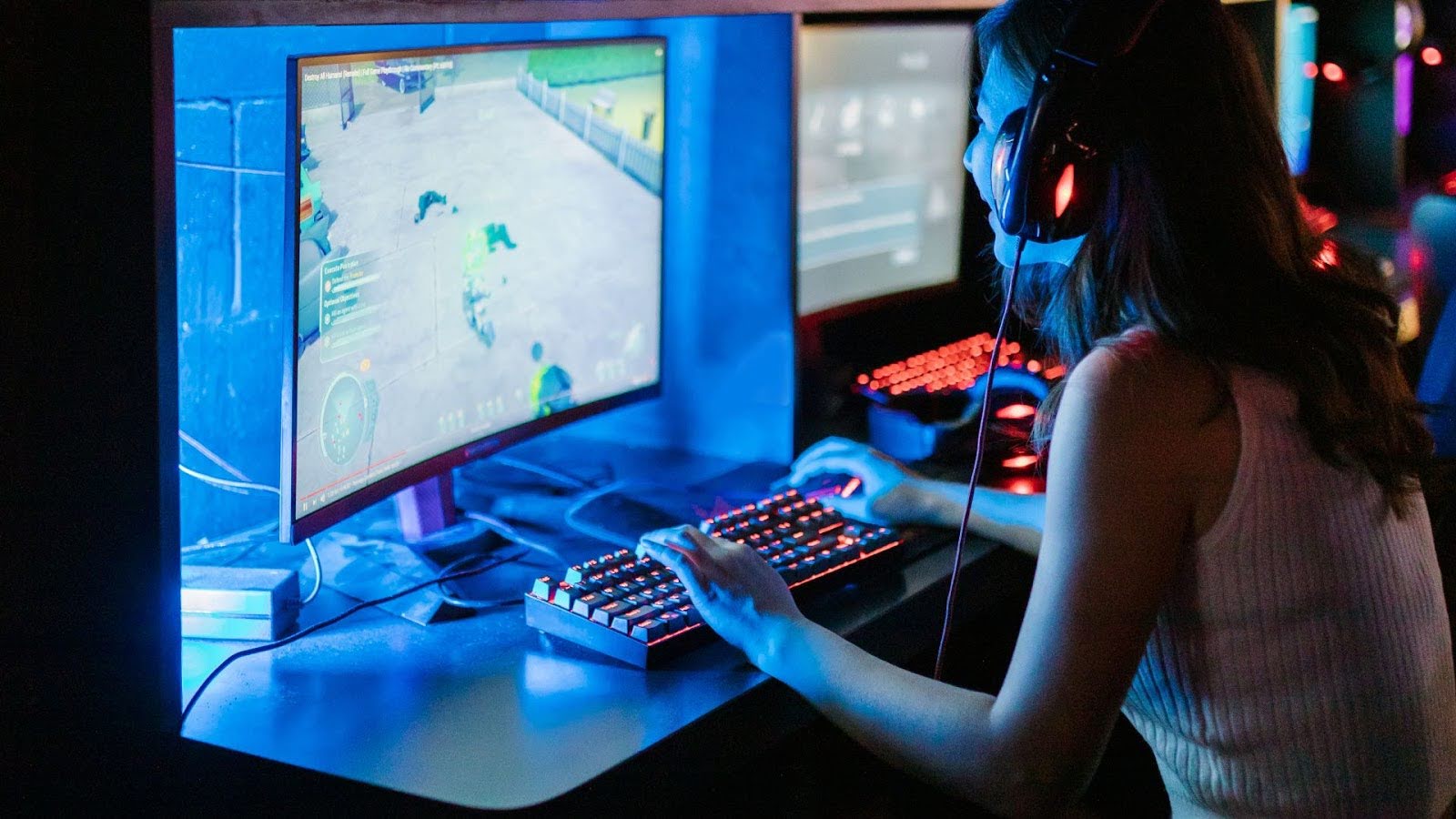
When it comes to gaming, people often debate whether success is down to luck or genuine ability. While luck-based games can often be more exciting, there’s a lot to be said about skill-based games, especially when it comes to the real-world benefits of playing them.
Unlike luck-based games, video games that require skill can help you develop skills that can be used to help you make better decisions in both your professional and personal life. Making it easier to think quickly on your feet.
What Makes a Game Skill-Based
Skill-based video games leave the decision squarely in the hands of the player. It is not that randomness is done away with, but that ultimate victory comes from practice, choice, and adaptability. Compared to games of chance, where training can never improve your odds, skill-based games reward diligence and skill.
The prime examples are competitive genres where players always attempt to improve. The more you play, the better your understanding of tactics, timing, and mechanics. The learning curve is the foundation for what makes a game skill-based rather than luck-based.
Luck-based games tend to take the control out of the players’ hands and instead leave it in the hands of fate. A great example of this is games that can be found at online casinos. Slot games, for example, leave everything down to fate; there’s no skill required.
A quick look at Payline Slots 76 reveals how luck dominates slot gaming and other online casino games. On these sites, gamblers can also take advantage of the wide selection of bonuses offered. However, when we shift into video games, the focus is very different. In gaming, skill is usually the deciding factor, with players needing to learn mechanics, adapt strategies, and refine reflexes to come out on top.
Fighting Games
Few types of games emphasize skill as much as fighting games. Games like Street Fighter or Tekken pit two players against each other in quick, back-and-forth battles where timing, combo proficiency, and knowledge of characters all take center stage. Chance plays a very small role. An expert player with good timing and solid fundamentals will quite literally always win over an inexperienced player relying on mashing buttons.
Competitive fighting game tournaments like EVO illustrate the degree of skill that is required. Players at this level have spent a decade perfecting their technique and memorizing match-ups to prove that success is produced through dedicated effort and not chance.
First-Person Shooters
First-person shooters (FPS) are another genre where ability makes a difference. From Call of Duty’s fiery pace to Counter-Strike: Global Offensive’s tactical shootouts, accuracy, reaction time, map sense, and coordination decide the outcome.
Luck can at times give a player a fortuitous kill, but the most skilled players and squads will inevitably come out on top. Competitive communities of FPS are found on this divide, with players playing hundreds of hours to master their aim, movement, and strategy.
Real-Time Strategy
Real-time strategy games such as StarCraft II place extremely high requirements on the gamer. Every choice counts, from resource management to the placement of units. Multitasking, planning ahead, and paying attention to your adversary determine victory. Since they are not games of chance, there is little room for randomness.
Competitive RTS players are always compared with chess grandmasters, where one balances thoughtful long-term planning with swift adaptation to emerging situations. Their victories are rightfully earned through endless practice and quick thinking, not luck.
Sports and Racing Games
Sports and racing games are also highly skill-based. FIFA and NBA 2K demand tactical awareness and precision of execution, while racing simulations such as Gran Turismo or Forza Motorsport demand skill in handling, braking, and track management.
While a lucky bounce or error can turn the game or race, overall results always go in favor of the player who has devoted time and effort to improving their skills.
Why Skill-Based Games Matter
Skill-based games appeal because they are seen as fair. Players know that their skills, practice, and methods decide their chance of success. Contrary to luck-based games, where outcomes are beyond one’s control, these games pay for diligent effort and dedication.
In competitive matches, this equity is crucial. Esports has been so popular precisely because the fans recognize that pro players are at the pinnacle of their skills based on pure skill, not luck. This makes the matches engaging, rewarding, and worth watching.
The Balance Between Skill and Chance
Naturally, no game is ever totally free of randomness. Randomness may preserve the game from monotony and keep it stimulating and engaging, and prevent outcomes from being too predictable. Even in skill-based games, there are small hints of chance, whether an unanticipated deflection in a sporting game or an unforeseen spawn point in a first-person shooter.
The difference is that in video games, these moments do not define long-term success. Over time, the better player will always rise above, proving that skill outweighs chance.
The Real Value of Skill-Based Play
Video games based on skill highlight the importance of mastery, practice, and dedication. Whether through the precision of a fighting game, the tactical depth of a strategy title, or the accuracy required in shooters, these games put control firmly in the hands of the player. That is what makes them so rewarding.
Unlike games of chance, where outcomes are determined by luck, skill-based titles celebrate the player’s journey of growth and improvement. It is this sense of fairness and achievement that continues to make them central to the gaming world.