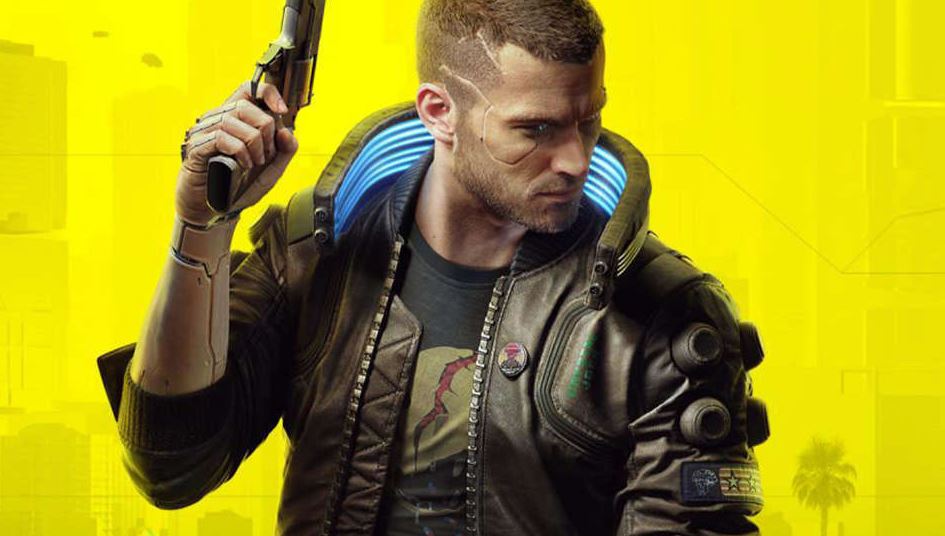
To say that Cyberpunk 2077 has had a complicated launch is more than a slight understatement. Originally slated to hit shelves on April 16, the game was then rescheduled for September 17, November 19, and, finally, December 10. While we might not know the explicit reasons for these earliest delays, there have been suggestions that the latest was to bring the PS4/Xbox One versions up to a releasable state. As it turns out, that delay wasn’t enough.
What Went Wrong?
The more moving parts a game has, the more complicated programming it becomes. This same idea applies to graphical prowess, where reaching for the stars ends up backing developers into a corner. The base idea of Cyberpunk 2077 is incredibly ambitious, in other words, and matching a grasp to this reach was never going to be an easy task. So, in a direct sense, what went wrong?
- Ambition for an older system
Releasing in 2013, the PS4 isn’t exactly a spring chicken. As we saw with CD Projekt Red’s The Witcher 3, getting this system to match the capabilities of a PC was no easy task. It took a lot of time and patches before The Witcher 3 approached a decent state on the PS4, so aiming even higher for Cyberpunk was always going to be problematic.
- The Multiplatform Promise
The idea of a multiplatform game is a good one, it allows as many customers to get a taste of a title as possible. It also, however, means splitting parts of the team up to focus different efforts on different fronts. Each platform needs dedicated workers, and since Cyberpunk 2077 is coming to five different platforms, or seven if you count the PS4 Pro and Xbox One X, attention here is split massively.
Combined, these two fundamental aspects built Cyberpunk on base PS4 on a shaky foundation. Not that this foundation can’t be improved on, as we’ve seen the developer do amazing things with patches and overhauls before, but this is perhaps something we might have seen coming.
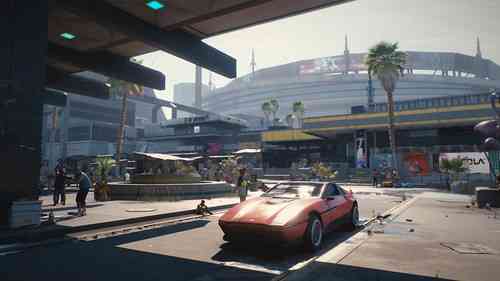
“Cyberpunk-2077-260819-011” (Public Domain) by instacodez
Not Making the Same Mistake
So, what could be done to prevent this problem in the future, or at least mitigate performance issues in future updates? From a starting point, a better approach for creating a multiplatform can be to start in the middle, rather than the top. From here you can scale in both directions easier, rather than having to stoop so low below your starting point that the game’s back gives out. This is hardly a revelation, as other forms of entertainment have been doing this for years.
Take any of the wide selection of casino games available today as an example. By setting their sights on humble devices, the games like slots, roulette, blackjack, and even the more relatively demanding titles like live games play without stressing older systems. The key here is that this industry recognises things that the video game industry often doesn’t. Style rules supreme, and devices are so powerful today that you don’t need to cripple systems to generate fantastic looking experiences.

“Cyberpunk 2077” (CC BY 2.0) by Yu. Samoilov
Betting on the Future?
Of course, there is always the possibility that Cyberpunk is playing the long game. Ever since The Witcher 1, their games have launched with major problems. Over time and patches, the legacy of these games would change, turning them from horrible into something remembered fondly. The only question is whether, this time, they’ve bitten off more than they can chew.
Point is if you do own the game on PS4, and you’re not happy with the performance, all hope is not lost yet. If you wait, chances are things will get a lot better. If you don’t want to, then you can always get in on their recently announced refund policy. It’s not a great situation we find ourselves in, admittedly, but at least players have a way forward.