Why AI Data Centers Could Trigger a New Energy Crisis
AI data centers could trigger an energy crisis because they demand electricity faster than utilities can build power infrastructure. The danger is not only higher consumption. It is concentrated load, delayed grid connections, cooling demand, backup generation, and a technology cycle that moves much faster than transmission planning.
The AI Boom Has a Physical Footprint
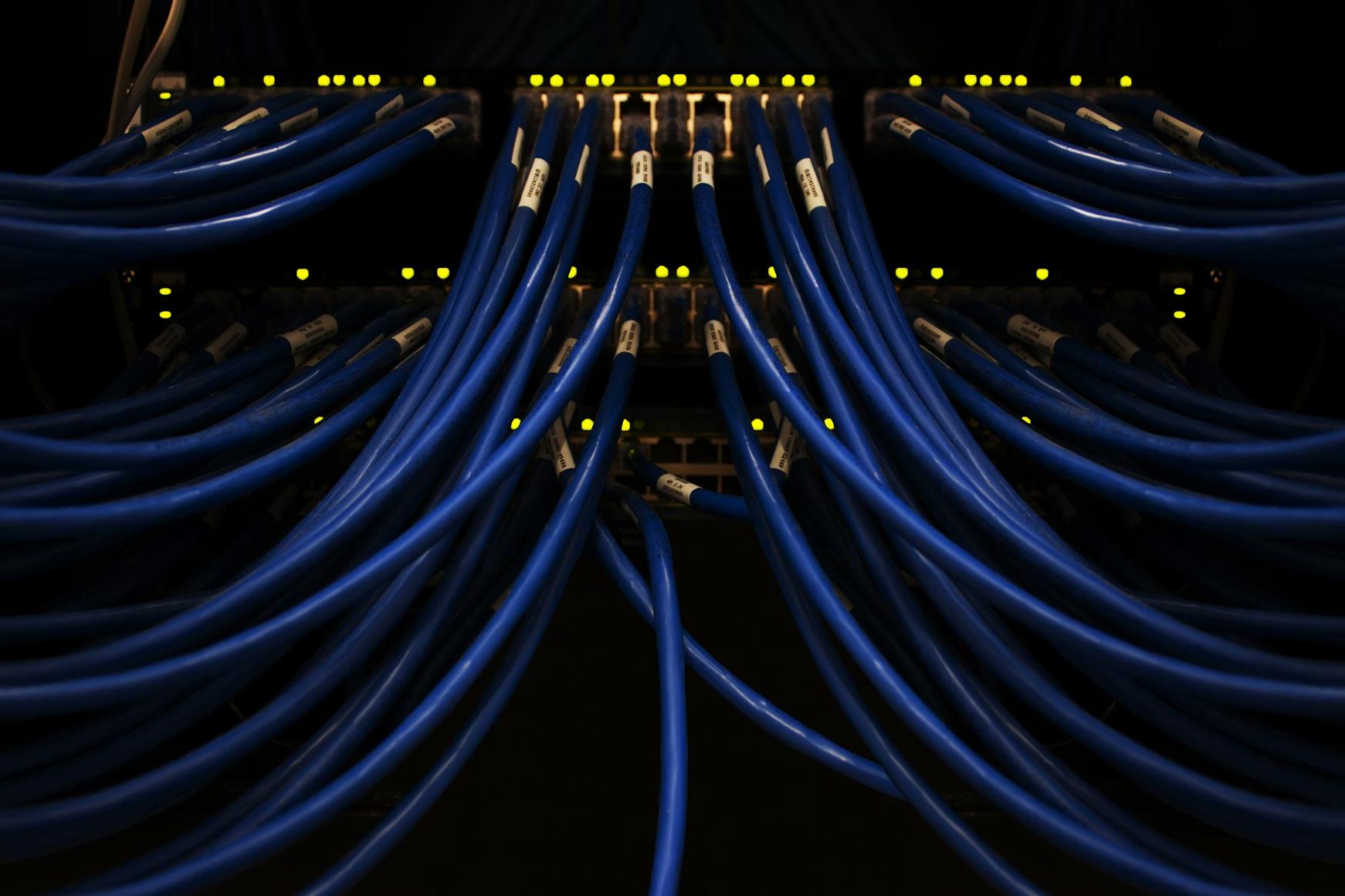
AI feels weightless on a phone screen. A chatbot answers in seconds, a search tool builds a paragraph from scattered data, and a game engine can now generate smarter enemies, dialogue, or visual assets in real time. Behind that clean surface sits heavy hardware: GPUs, servers, storage racks, networking equipment, cooling systems, batteries, substations, transformers, and transmission lines.
The International Energy Agency estimates that data centers consumed around 415 TWh of electricity in 2024. In its base case, that figure could rise to about 945 TWh by 2030. That is not a routine upgrade cycle. It is closer to a new industrial sector appearing almost overnight.
The pressure comes from two sides. Training large models requires enormous bursts of computing power. AI inference then spreads the load into everyday life: search, customer support, productivity tools, image generation, coding assistants, gaming engines, recommendation systems, fraud detection, and real-time analytics.
Efficiency Will Not Cancel Out Demand
The optimistic argument says chips will become more efficient. That is true. AI accelerators are improving, liquid cooling is advancing, and hyperscale operators know how to reduce waste.
The problem is rebound demand. When AI gets cheaper to run, companies use more of it. More products add AI features. More users test them. More developers build autonomous tools that keep running in the background.
This is the trap. Efficiency lowers the cost per task, then the number of tasks explodes.
The Grid Problem Is Local First
National electricity demand matters, but local grid stress matters more. A data center is not evenly distributed across a country. It lands in a specific county, often near fiber routes, cheap land, water access, tax incentives, and available grid capacity.
That creates pressure on:
transmission capacity;
substations and transformers;
firm power contracts;
backup generation;
cooling water;
peak demand planning;
residential electricity bills.
A single AI campus can behave less like an office building and more like a factory district. Utilities then face an ugly choice: build ahead of demand and risk overinvestment, or wait and risk bottlenecks, outages, and higher costs.
Betting, Gaming, and the Always-On Data Layer
Digital entertainment already runs on low-latency infrastructure. Cloud gaming, esports streaming, live score feeds, payment checks, anti-fraud systems, and personalization engines all depend on servers that must stay fast under pressure. Sports betting adds another layer because prices move in real time during football, tennis, cricket, basketball, and esports events. A bettor comparing live markets may use MelBet as part of that short mobile routine, where fast odds refreshes and clear event menus matter more than decorative interface features. The value sits in uptime, stable bet slips, and a direct route from match data to decision-making. That dependence on always-on infrastructure explains why the energy debate now reaches far beyond Silicon Valley.
Mobile betting also underscores why AI-driven infrastructure continues to expand. Apps increasingly rely on identity checks, payment routing, risk scoring, live event feeds, fraud monitoring, and localized interfaces that work without friction. For Arabic-language onboarding, MelBet download (Melbet تحميل) reflects a practical UX question: can the app install cleanly, load sports markets quickly, and support short betting sessions without forcing users through a slow desktop path? Those details affect trust because a delayed market or unclear bet slip can change the whole session. Behind the screen, data centers carry that demand every minute of the match.
Cooling Is the Quiet Second Bill
Servers do not only consume electricity while calculating. They produce heat. That heat must be removed quickly, or performance drops and hardware fails.
Modern data centers use air cooling, liquid cooling, evaporative cooling, or hybrid systems. The most efficient hyperscale sites keep cooling overhead relatively low, but older or poorly located facilities can waste far more power on temperature control. In hotter regions, cooling becomes more expensive just as local grids are already strained by air conditioning.
Water is another fault line. Some facilities draw heavily from local supplies, especially where evaporative cooling is used. In dry areas, residents do not see an abstract AI revolution. They see a new industrial neighbor competing for electricity and water.
Backup Power Could Bring Fossil Fuels Back
AI companies often promote renewable energy contracts. Many of those contracts matter. Tech firms have become major buyers of wind, solar, geothermal, nuclear, and battery storage.
Reliability remains the hard part. Data centers need firm power. They cannot simply shut down when solar output falls, when transmission lines congest, or when a regional grid faces stress.
That is why diesel generators, on-site gas turbines, batteries, and dedicated power agreements remain central to the buildout. The risk is a two-speed energy transition. Public messaging talks about clean electricity, while local reality may include new gas infrastructure and emergency generation designed to protect uptime first.
Why Gamers Should Care
For a gaming and hardware audience, this issue is not distant. AI is moving into game development, NPC behavior, moderation systems, upscaling, cloud rendering, asset generation, voice tools, and recommendation engines. The more gaming leans on AI, the more it leans on data centers.
Players may eventually feel the effects through:
higher cloud gaming subscriptions;
regional limits on AI-heavy features;
slower rollout of server-side tools;
more scrutiny of always-online design;
sustainability pressure on publishers;
public resistance to new data center projects.
A powerful console under the TV is no longer the whole energy story. The server farm behind the experience matters too.
What Would Prevent the Crisis
The answer is not to stop AI. That will not happen. The realistic answer is stricter planning.
Data centers need to be treated as major energy infrastructure, not just tech real estate. Utilities and regulators should demand clearer load forecasts, flexible power agreements, heat reuse where practical, water reporting, grid-impact studies, and transparent cost allocation. If a private AI campus requires new grid investment, the public should know who pays.
Better solutions are already visible:
build near available clean power rather than forcing weak grids to adapt;
use batteries to smooth demand spikes;
shift flexible AI workloads outside peak hours;
improve model efficiency at software level;
reuse waste heat for district heating where geography allows;
publish electricity and water-use data in standard formats.
The coming energy crunch is not inevitable. It becomes inevitable only if AI infrastructure keeps growing faster than the systems that power it.