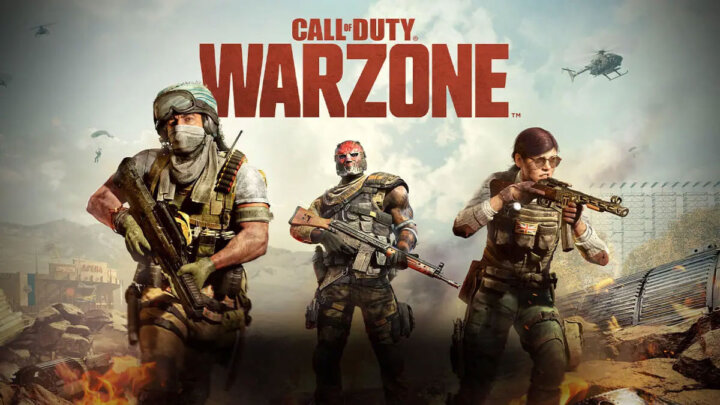
With the recent news that Sony is scheduling over ten live service games before March 2026 after their jaw-dropping acquisition of Bungie earlier this year for $3.6 billion, we’re wondering, is this a good thing?
There’s no guarantee that their ambitious plans will come to fruition, but it’s a strategically significant move that hints at the future of console gaming.
Live service games
It’s helpful to define what a live service game is, as there can be overlap between what we deem a live service development and content released in expansion packs. A live service game is one that has a persistent stream of fresh content added post-launch and is intentionally developed to keep you playing many years after the launch date. Very much different to what we now consider traditional video games, which can be completed in single-player mode within several hours.
Making a prosperous live service game demands content, updates, and a fanbase that is in it for the long haul. Live service games are not static creations, they evolve and can often end up being extensively different from what they were when in the beginning.
The move to focus on live service games is notable, as game studios essentially model the methodology that has made online casinos such as https://games.paddypower.com/ successful. Live service games are often free-to-play, with gamers expected to shell out for the optional expansions, season passes and microtransactions. These games heavily feature loot boxes, which many have pointed out are structurally and psychologically akin to gambling. Gamers would welcome PlayStation introducing gambling in games like The Four Kings Casino and Slots and Prominence Poker. This move might prevent them from receiving low ratings as seen on www.metacritic.com/.
We’re excited to announce THREE new Star Wars games officially in the works from @Respawn. Read more and pass on what you’ve learned: https://t.co/pKZFHqDA1W pic.twitter.com/n1byCzaDtL
— EA Star Wars (@EAStarWars) January 25, 2022
The way forward
There are many thriving examples of live service games, but there’s no doubt some have been mammoth failures. What should be key in Sony’s plan is effective fan feedback to ensure these games develop to suit players’ needs without leaving others left out in the cold if they can’t afford loot boxes.
We saw this in action when DICE announced they were removing in-game purchases from Star Wars Battlefront II. Players instantly recognised that EA’s game plan favoured those who were willing to spend money upfront, and the backlash EA received should mean this doesn’t happen again. DICE appear to have learned their lesson, as outlined on https://www.gamespew.com/ and should be on the straight and narrow from now on.
Yet, developers can have short memories and could make the same mistakes or simply repack the same rigged system in a more convoluted way. PlayStation’s new acquisition, Bungie, responded excellently to fan feedback over Peter Dinklage’s voice acting. Dinklage was unenthusiastic in his performance, which generated countless memes, videos and parodies. Subsequently, Bungie realise their mistake and video game veteran Nolan North was hired for a rework.
There are more examples of fan pressure coming to rescue games like No Man’s Sky, which was completely reworked following Anthem’s deficient launch and poor level design.
Is the push towards more live service games a bad thing for PlayStation gamers? What we know is that it’ll only work if fan feedback is built into the model and they learn from the mistakes of others. Players sometimes spend as much time talking about their favourite game as they do playing it, and the poorly received aspects of live service games need to be heard.