Electronic sports (commonly referred to as esports among fans) are essentially video games played at a professional level as part of competitions. They typically take the form of organised, multiplayer video game contests that are played either individually or as part of a team. Esports are a huge part of the larger cultural space built around video games despite the fact that they are still a relatively new addition to the landscape. Up until the late 2000s, when online streaming became commonplace, thanks to platforms such as Twitch and YouTube, multiplayer competitions were primarily the domain of amateur players.
The rise of these websites led to a surge in participation by pro gamers, leading spectators to join eventually as well. Esports were first popular in East Asia, especially China and South Korea, gaining followers in Europe and the Americas as well, with both regional and international events taking place on every continent nowadays. Although it may seem like no injuries could possibly occur when playing video games, the truth is that the players deal with quite a few health concerns as well and are susceptible to injuries as well.
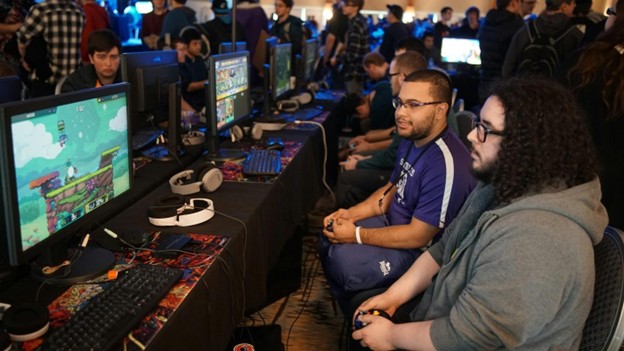
Image source: https://unsplash.com/photos/group-of-people-playing-online-games-ryRU-cd1yas
Overuse injuries
The category of overuse injuries comprises all the health damage resulting from repetitive stress being placed on a body part instead of being the result of a single traumatic event. The injuries appear gradually and are the result of playing for long hours and placing a lot of pressure on the joints. In esports, this typically refers to damage to the neck, lower back, and forearms, but sciatica and general spine stiffness, nerve entrapment, and carpal tunnel syndrome can occur as well.
There’s also a condition directly associated with gaming known as “gamer’s thumb,” which shows up when the tendons on the thumb side of the wrist become inflamed. The most common symptoms are pain and tenderness, with swelling, a snapping sensation, and difficulty moving both the thumb and the wrist occurring in a majority of patients as well. It is quite simple to prevent gamer’s thumb through adequate rest and ergonomics.
Proper hand positioning while playing is a must, and you can also look for devices that minimise the strain on your thumbs. Regular stretching, splinting, medications, and physical therapy can help manage the symptoms, but in severe cases that don’t respond to these methods, surgery is required. In rare cases, the surgery may end up being unsuccessful due to errors taking place during the procedure. Getting in touch with an expert solicitor can provide you with a thorough answer to the question of “what qualifies as medical negligence?” so that you know if it applies to your case as well as what kind of outcome you can expect.
Reduced lean body mass
Reduced lean body mass (also known as sarcopenia) is a decrease in the amount of bone, muscle, and other non-fat tissue in the body. It leads to decreased strength and impaired mobility, putting you at increased risk for fractures and falls. While in the past, it was almost exclusively associated with aging, nowadays, it can be seen quite often in those who live sedentary lifestyles or who don’t have access to proper nutrition. Some esports players also exhibit higher body fat percentages even when their BMIs are normal. While some players simply don’t move a lot and don’t engage in sufficient physical activity outside of gaming and training for competitions, there are also some who deal with dietary imbalances.
Lower LBM is linked to chronic health conditions such as type 2 diabetes as well as an increased risk of metabolic syndrome. Since lean body mass provides the joints and bones with essential support, not having it places you at higher risk of musculoskeletal damage as well, some of which can lead to lifelong pain and disability. Optimal LBM levels are not just crucial for your overall well-being; they also guarantee your performance levels remain consistent. As such, your training should incorporate injury prevention strategies and physical conditions as well as adequate nutritional support.
Sleep deprivation
Being a professional player is frequently linked to a plethora of sleep issues. Sleep deprivation is one of the most common, with players often ignoring the need for a good night’s sleep to play longer and develop new strategies. As a result, many don’t sleep enough or go to bed much later than advised. Sleep quality suffers as well, as the blue light emitted from screens is known for its ability to wreak havoc on the circadian rhythm.
Heightened stress levels, particularly during competitions, can cause you to wake up feeling completely unrefreshed, struggle to fall asleep, or wake up more frequently throughout the night. Not sleeping well has a direct impact on cognitive performance and mood regulation that you will typically notice right away since even a single night of improper rest can leave its mark. Your reaction time, ability to focus and pay attention, and your decision-making, all of which are crucial in the esports field, will be impacted.
Fatigue, irritability, heightened anxiety levels, depression, and an increased risk of cardiovascular disease are the long-term effects that can even put an end to your career. Addressing sleep issues starts by promoting good sleep hygiene, which you do by maintaining a consistent sleep schedule, creating a relaxing atmosphere before bed, and reducing your screen time late in the evening. Managing stress and monitoring sleep can improve sleep quality as well.
Conclusion
To sum up, esports players face health issues and challenges in the same way as athletes in traditional sports. Eye issues, neck and back pain, damage to the nerves and tendons in the wrist, and sleep deprivation are the most common, but that doesn’t mean that they should be left unattended. Doing so has the potential to cause quite a lot of harm and lead to chronic conditions that require much more expensive treatment in the long run.
If you believe there’s something wrong with your health, don’t hesitate to see a doctor. When caught early, these conditions are much easier to manage and even to cure completely.