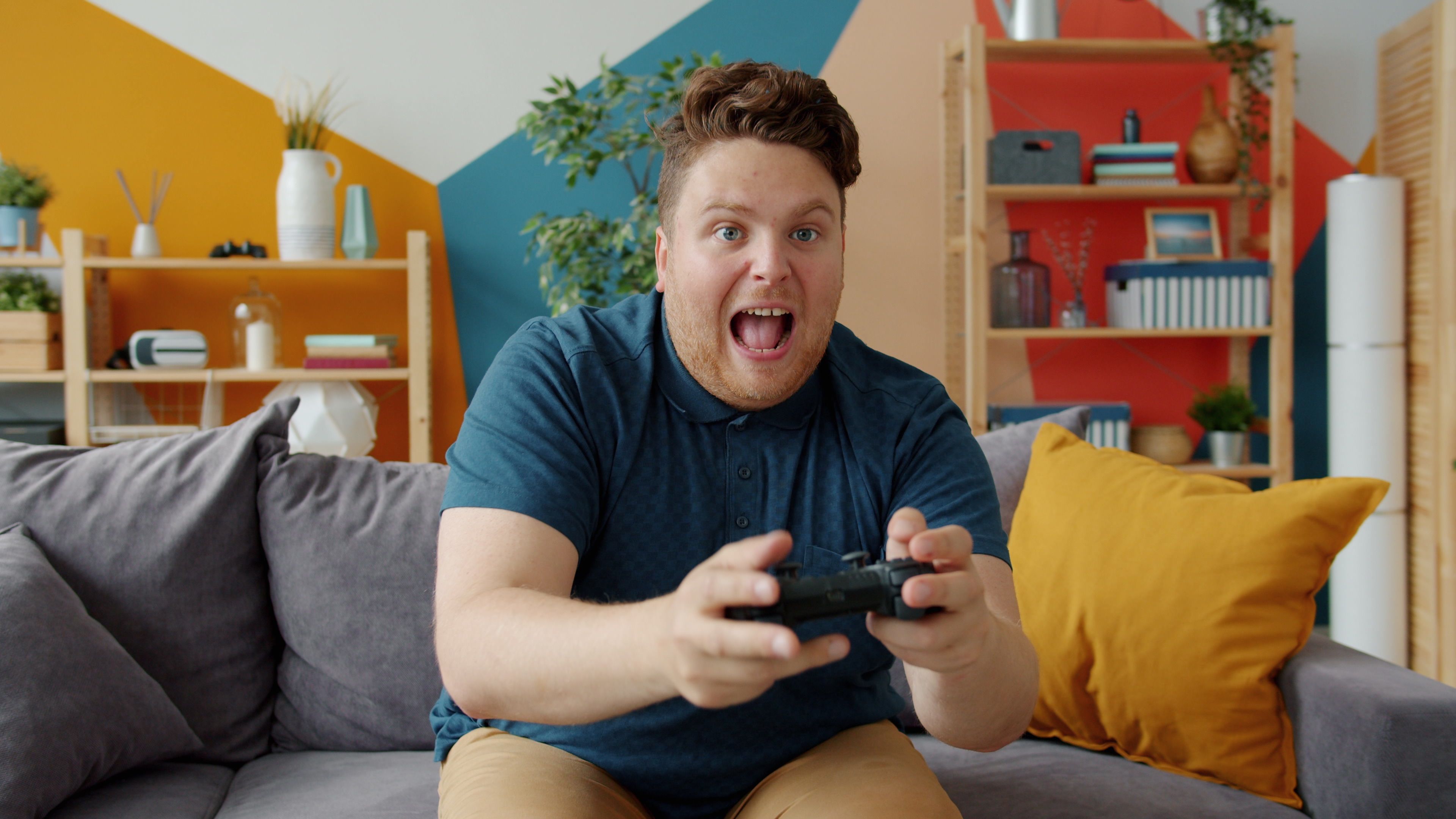
The old purchase ritual in gaming had a firm shape. You bought a disc or paid for a download. Then you found out whether the game deserved the money. That order has changed. Subscriptions and free-to-play releases have trained players to sample first. Sony says PlayStation Network had 125 million monthly active users as of June 30, 2026. That number points to a console audience that no longer treats the console as a box under the television. It treats it as an account-led service with games and extras moving through it each month.
The change shows up in American habits. The Entertainment Software Association said more than half of U.S. players downloaded a free game in the past 12 months. Its 2026 report also said two-thirds of Americans play video games each week. A paid game still has a place. A full-price launch still brings attention. Yet many players now expect a low-risk first try before they decide whether a game earns time or money.
The Free-To-Play Habit
Free-to-play titles trained players to judge games through feel. You download the game and test the first session. For casinos, it works with an app download. Then the game asks for money through cosmetics or battle passes. The important point for beginners is simple. Free-to-play removes the entry price. It does not remove the business model. Good design tells players what costs money before pressure builds. This works across major console releases and casinos alike, be it the latest EA FC title or a blackjack variation.
Sony’s own PlayStation Plus guidance draws a line between bought games and free-to-play access. It says most free-to-play games do not require a PlayStation Plus membership for online play. That detail helps explain why the model spread. A player can join friends in a major free release without buying the base game or paying for online access. Once that becomes normal, full-price games face a higher first-session test.
Subscriptions Changed Expectations
Marvel games also show why libraries matter for older releases. A large title can sell well at launch and then find a second audience through subscription access. That second life helps a publisher keep attention on the franchise between major launches. For players, the benefit comes from timing. You may skip a game at $70 and try it later through a service you already pay for.
Newzoo forecast that the global games market would generate $188.8 billion in 2025. It also put mobile revenue at $103 billion. Mobile matters here because it taught millions of players to expect free entry and optional spending. Console gaming absorbed some of that thinking. Players now ask a fair question before buying. They want to know what they can try today.
The subscription model has also changed patience. A player with a large catalog can leave a game after 20 minutes and move on. That creates pressure on menus and onboarding. Games need to explain themselves fast. They need to show progress without burying players in systems. Developers now compete for attention inside the library as much as they compete on the store page.
Casino Demo Play Changed the First Decision
Casino play has developed its own version of the try-first habit. A person may understand slots in a general way, but each title still has its own pace and bonus structure. Demo play helps with that first check. You can see whether a game feels quick or slow. You can read the paytable before money enters the decision. You can also learn what terms such as paylines, volatility and return to player mean in a practical setting.
That browsing stage suits the same audience that now samples games through PS Plus and free-to-play downloads. The user wants evidence before commitment. A casino demo shows how a title behaves and how much attention it asks for. For beginners, that can reduce confusion. For experienced players, it helps separate a theme they like from a game format they may not enjoy.
Browsing Before Buying Becoming the Norm
Casino comparison sites belong to the same access-first culture because they help users sort options before they make a decision. Instead of landing on one offer and working backward, readers can compare categories and check features in advance. That habit will feel familiar to anyone who scrolls through a game library before choosing what to install. The first decision now starts with browsing, filtering and testing.
Casino.org shows how that browsing model works in a gambling context through its free-games section, which lets users explore game categories before moving toward online casinos. It also gives visitors a way to test game mechanics without sign-up. More broadly, comparison sites like x help users browse platforms across a wide range of categories, including free games. The same principle applies to PlayStation culture: free access changes the first step. You can look around before you commit. That makes the whole experience less dependent on a single upfront purchase.
PlayStation Plus sits between the old model and the newer one. It isn’t free-to-play, since you pay for the membership. The service still changes the buying habit because players see a rotating library rather than a single boxed purchase. PlayStation says Plus includes monthly games and a Game Catalog across its membership plans. Premium tiers add trials and classics. For a player who once bought two or three big releases each year, that design encourages broader sampling.
What Players Should Notice
Free access can hide costs in smaller pieces. Battle passes and cosmetics may seem minor by themselves. Subscription renewals can also become background spending. A sensible player checks what renews and what expires. PS Plus monthly games need to be added during their window. Catalog titles can leave the service. Free-to-play purchases stay tied to the rules of that game.
The best approach starts with a simple test. Try the game and watch how it asks for money. Check whether paid items change power or appearance. Review subscription terms before the trial ends. The future of gaming will keep mixing free entry and paid extras. Players who understand that model get more choice, and they give less money to games that fail the first hour.