
Source: Pexels
Computers, integral to daily life, incorporate various components, with graphics cards playing a vital role in enhancing every digital experience, including gaming. From early pixel pushers to advanced accelerators, they’ve come a long way and don’t seem to be slowing down.
Let’s explore the journey of graphics cards, past to present, and maybe even look into that crystal ball and see what the future holds. Ready to dive into the fascinating world of these unsung heroes? Then, it’s time to jump into that time machine and get exploring!
The Genesis of Graphics
Back in the day, when computers began to become a prevalent item in workplaces and the home, pixelated graphics were a big deal. Rudimentary visuals and restrained colours were the name of the game.
Though the first graphics card was used for simple graphics, better suited for a text-based application in the IBM 3270 video display terminal in 1972, things changed in the 80s as personal computers became more common.
The immersive experiences we cherish today were something that were merely distant aspirations. But the gaming industry looked to create more realistic and engaging visuals, so it was only a certain amount of time before these little components would take another leap forward.
The Pixel Revolution
In the late 80s, as games began to evolve, gaming enthusiasts really wanted more realistic visuals. In response to this, the engineers introduced one of the most groundbreaking innovations – dedicated graphics processing units, otherwise known as GPUs.
This was the onset of the pixel evolution. With this graphics card, the rendering speed of graphics and their quality were significantly elevated.
Now, gamers, in an instant, could be transported into the world that they were playing in and have a vibrant and lively environment. This was one of the moments that was pivotal in the evolution of the graphics card and set the stage for more technological advancements to come.
The Emergence of 3D
Source: Pexels
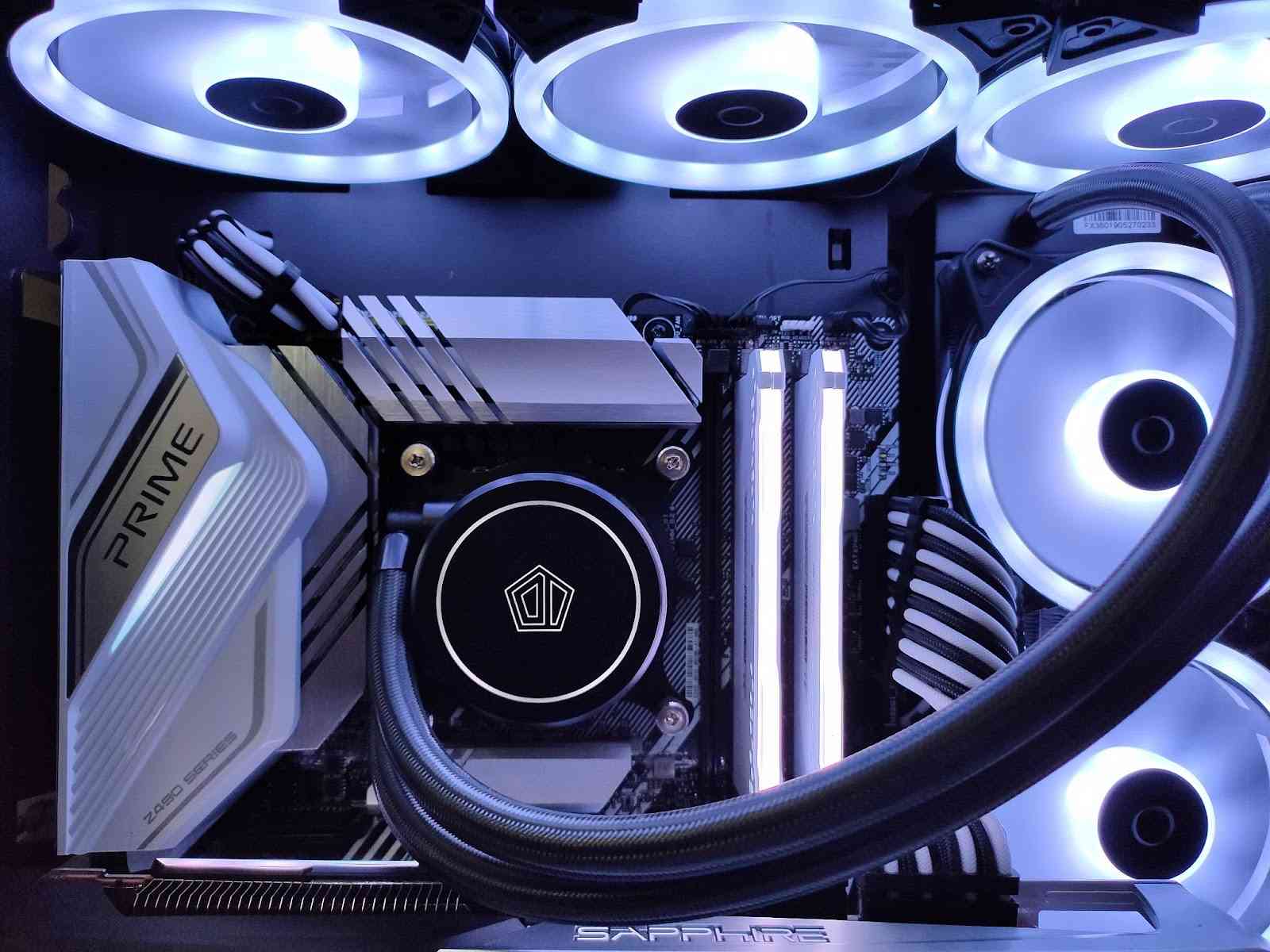
In the mid-90s, graphic cards pivoted towards creating more intricate 3D environments. This introduced features such as polygonal characters and detailed landscapes.
As the visual language of gaming became more refined, it was crucial for graphics to elevate so that they could captivate their audience. Of the graphics cards that came out, one of the most notable ones was the 3DFX Voodoo graphics card in 1996.
This card – and the subsequent models that came from it – really helped evolve the realistic and immersive 3D graphics that the game flashback studios were creating at the time. It helped set the stage for even more innovative changes to come.
The Ascendance of Specialized Features
As the games began to advance more in the late 90s and early 2000s, graphics cards like the NVIDIA GeForce 2 and 3 series looked to transform the capabilities of computers even more. They did this by including specialised features, like anti-aliasing and anisotropic filtering.
Both of these innovations and many of the others were all designed to get rid of the jagged edges to heighten texture clarity. This meant more refined visual experiences for gamers no matter where they were playing.
The games have evolved, not only on home consoles and computers but also in places like online casinos. After all, if you are playing at a place like Live Casino with Rhino Bet, don’t you want to feel like you are there? Exactly!
The nuanced advancements that these brought with them showcase the dedication of the graphics card industry. It looked to provide not just power but also a more nuanced gaming experience.
As the games of the mid-2000s became more intensive, the need for more advanced cooling systems and overclocking capabilities became necessary. This prompted manufacturers like NVIDIA and ATI (now AMD) to create more superior high-performance GPUs.
The innovations allowed for a smoother appearance and better performance. It also showed that the industry understood it needed to be committed to pushing the boundaries of what graphics cards would achieve even further.
The Advent of Ray Tracing
A revolutionary stride came in the late 2000s in the form of ray tracing technology. This is when the RTX series from NVIDIA and RT cores made their entrance. The concept of ray tracing had been known in computer graphics for quite a while, but the implications that it had for real-time rendering and gaming hadn’t been explored yet.
Basically, this feature mimics the intricate behaviour of light and makes things more realistic regarding reflections and shadows. This was the pinnacle of the graphic card revolution and a game-changer for the whole gaming experience.
Conclusion
From its modest origins to today’s cutting-edge technology, the evolution of graphics cards has been extraordinary. The evolution has happened in response to gamers’ relentless pursuit of excellence.
Graphics card manufacturers are continuing to introduce innovations almost daily. And, as players continue to push the boundaries of what’s possible, the future is endless. Who knows, we might see things like AI integration and new memory technology being fitted into these little jewels that help our gaming experience be what it is.