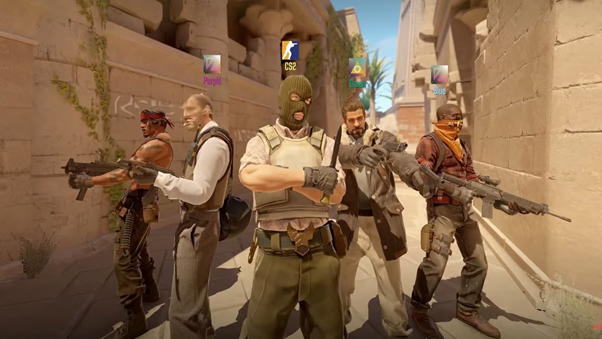
I opened my first Counter-Strike case in 2017, got something worth about forty cents, and closed the client thinking I understood it. I did not. What I had actually stumbled into was a hobby with its own economy, its own collector culture, and a surprising amount of structure underneath the flashy reveal animations. Nearly a decade later, CS2 case opening is a recognised corner of the wider gaming world, and it is worth explaining how it actually works rather than how the loudest clips make it look.
At its core the loop is simple. A case is a sealed container with a published list of possible items and their rarity tiers. A key opens it, and the result is drawn from that pool. The part newcomers miss is what happens after the reveal. On csgofast.com the flow is visible end to end: pick a case, open it, and the item lands in your Steam inventory as a real tradeable skin rather than a number on a site balance. That delivery step is the whole point, because an item you can move is an item that has value.
What actually happens when you open a CS2 case?
The case contents and their drop rates are published before you open anything, which is unusual transparency for a randomised system. When you open one, the platform draws an item from that pool, assigns it a wear value (the float), and delivers it to your inventory. The float decides how clean or scratched the skin looks, and it can swing the item’s value by a wide margin even within the same rarity tier. Two players opening the identical case can both pull the same skin name and still end up with very different values.
Where does the skin come from, and why does that matter?
This is the question that separates serious operators from sketchy ones. A real case-opening site holds inventory and delivers the actual CS2 item to your Steam account through the trade system. The alternative, which is the model to avoid, is a closed balance where your winnings only exist inside the site and cannot be moved. The deliver-to-Steam approach is what lets the broader market exist, because items that reach your inventory can be traded, displayed, or sold like any other skin.
The collector layer most people never see
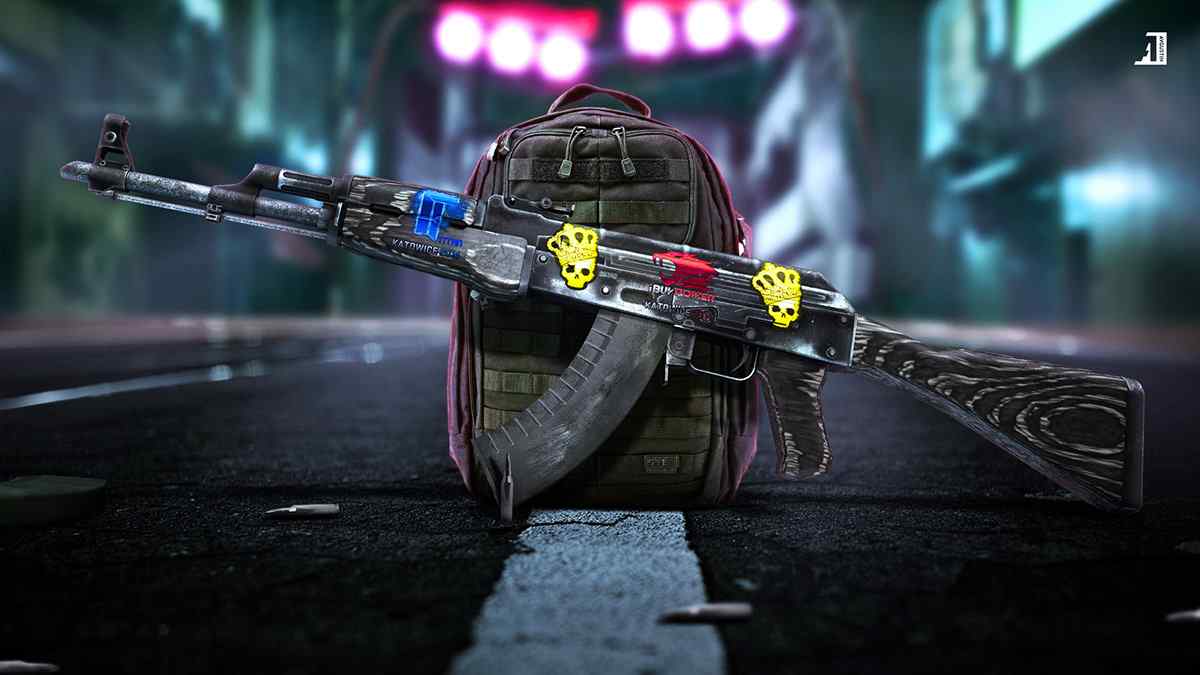
Past a certain point, case opening stops being about the spin and becomes about specific items. Low-float examples of popular skins, particular pattern indexes on case-hardened finishes, and skins from discontinued cases all carry premiums that have nothing to do with how the item plays. I have watched the same skin name trade across a 10x price range purely on float and pattern. The collector layer is where the real money concentrates, and it rewards patience and knowledge over volume.
How the hobby changed after CS2
The transition from CS:GO to CS2 in late 2023 was the biggest test the category had faced. Inventories carried over, the items kept their value, and the market barely flinched. That continuity matters because it showed the skin economy was not tied to a single game build. Operators that had been around for years, kept the same withdrawal pipeline, and held inventory through the transition came out the other side intact. The ones that treated it as a quick flip did not.
What I check before opening anywhere new
Three things, in order. First, does the site deliver real Steam items or only site credit. Second, is there a published, verifiable drop list rather than vague promises. Third, does the withdrawal actually work, which you confirm with a small test before committing anything larger. None of this is complicated, but skipping it is how people end up with winnings they cannot move. The mechanics reward the same caution you would apply to any service that touches your items.
Worth keeping in mind
CS2 case opening is a real hobby with a real economy, not just the highlight reel of huge pulls. The structure underneath, published odds, float-driven value, deliver-to-Steam settlement, and a collector market that rewards knowledge, is what has kept it alive across a decade and a full engine change. Open for the enjoyment of it, understand the float and the delivery model, and treat the big-win clips as entertainment rather than expectation.
FAQ
Is CS2 case opening the same as it was in CS:GO?
The mechanics carried over almost unchanged through the 2023 transition. Inventories transferred, cases kept their structure, and the market held its value, so the hobby is continuous rather than reset.
Why do two identical CS2 skins sell for different prices?
Float and pattern. The hidden wear value and, on some finishes, the pattern index change how the skin looks and how rare a given example is, which the market prices accordingly.
What is the single most important thing to check on a case site?
It delivers real CS2 items into your Steam inventory rather than locking winnings as site-only credit. An item you can trade has value; one you cannot move does not.