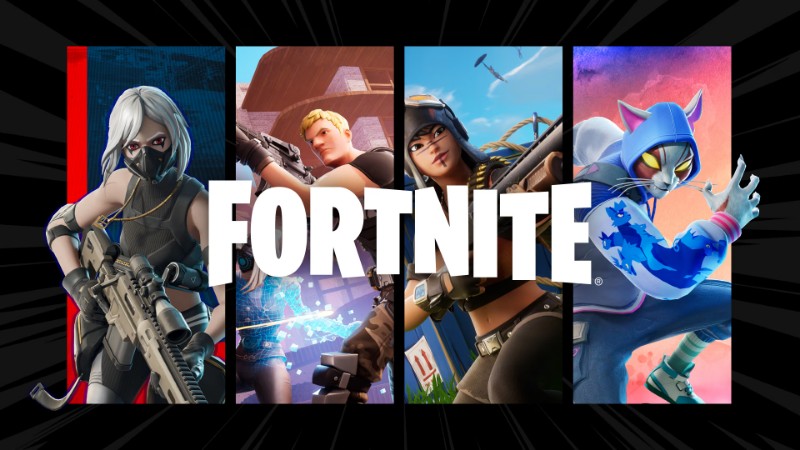
Fortnite, created by Epic Games, keeps winning in the gaming world thanks to smart email marketing that boosts in-game purchases. The game’s huge player base and strong revenue come from using personalized emails. These emails focus on each player’s likes and actions. This strategy works well to keep players interested and spending, even when the company faces money challenges.
Importance of personalization in email campaigns
Epic Games uses a smart approach with segmentation and personalization in their email marketing. They divide their audience based on how players behave, like those who buy specific items or join certain game events often. This way, players get messages that match their interests, which makes them more engaged and likely to spend more.
Personalization is crucial because it makes players feel like more than just part of a broad marketing push. Epic uses detailed insights and email segmentation to figure out what players prefer and when they prefer it, offering a truly tailored experience. For instance, a player who often buys skins might get exclusive deals on new skins, while a player who takes part in limited-time events might receive reminders about upcoming chances to earn rare rewards.
Fortnite’s continued success
About a year ago, Epic Games faced serious financial troubles. The company had to let go of around 16% of its employees to cut costs. CEO Tim Sweeney mentioned they were spending much more money than they were making. In 2022, Epic Games reportedly spent about one billion dollars more than they earned each year. However, Sweeney announced at the 2023 Unreal Fest conference in Seattle that the company is now “financially sound.”
This turnaround is partly thanks to smarter spending and focusing on investments that bring high returns. Sweeney revealed they are now spending just a bit more than they make, which shows a more sustainable financial path. The company is using its huge resources wisely to fund long-term projects, like Unreal Engine 6 and new partnerships, setting up a strong future for both revenue and innovation.
The power of interoperability
Looking to the future, Epic Games has big plans for Unreal Engine 6. They want to make it an amazing tool for creating games. Epic plans to combine its powerful Unreal Engine with the easier-to-use Unreal Editor for Fortnite. This would let developers build apps and easily use them on various platforms, including Fortnite. Epic’s vision aims to create a network where digital items and content can move smoothly across different games.
One example of Epic’s vision is their partnership with Disney to connect Fortnite with Disney’s huge range of characters and stories. This “persistent universe” would allow things from one world to interact with another, creating a connected digital space for players. Epic wants Unreal Engine 6 to be the foundation of this idea, supporting it for years ahead.
Tim Sweeney, Epic’s CEO, has said this is crucial for making the metaverse happen. By making assets work across different game engines like Unity, Roblox, and Minecraft, they could solve a major metaverse problem—copying content over and over. Epic is also working on a new platform called Fab, where creators can sell assets that work well on different platforms. For instance, a creator could sell a forest design that can be used across many platforms, helping the metaverse work together better.
Strengthening the in-game economy
Epic Games’ email strategy boosts the in-game economy by sending personalized emails with tailored suggestions, exclusive items, and event updates, encouraging players to spend more time playing and buy more. This strategy has been key to Fortnite‘s success.
Epic also creates a trusted digital space where players feel their purchases are valuable over time. By enabling digital items to move seamlessly across games, Epic boosts player confidence, leading to more purchases.