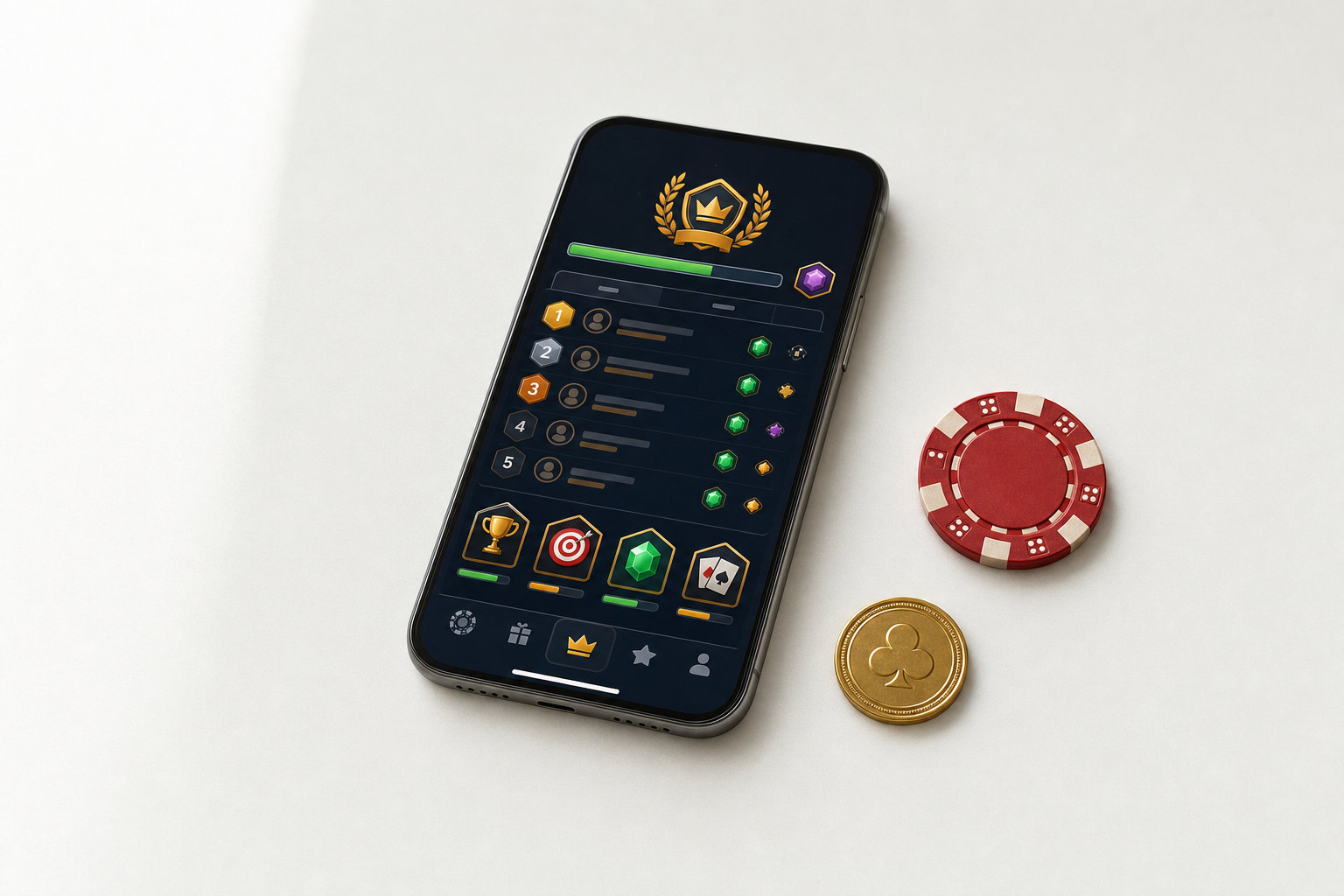
Online casinos are embracing gamification strategies that draw directly from popular video game design. Features such as progression systems, leaderboards, and social engagement are transforming player experiences in measurable ways. Understanding the impact of these elements reveals the depth of innovation in the modern online casino landscape.
For many readers who have grown up with video games, the changes in online casino design feel instantly familiar. Hurjaa casino, in the context of user experience, now features layered progression systems and reward mechanics similar to what console players expect from major game releases. These additions are not cosmetic; they actively shape how players interact, stay engaged, and perceive value. By borrowing proven ideas from the gaming world, online casinos demonstrate the increasing overlap between entertainment platforms and traditional gambling environments.
Why casino platforms adopt video game features
The shift toward video game-inspired interfaces in online casinos is driven by the desire to capture a broader, more engaged audience. Most players, especially those who have spent years on consoles or PCs, are accustomed to systems that reward progress, achievement, and incremental improvement. Applying these systems in casinos reflects an understanding of modern entertainment expectations.
Gamification in an online casino context involves integrating reward layers above the core gambling experience. These features do not alter the primary game mechanics, such as slot spins or card draws, but add meta-systems like achievements, daily missions, and experience points. The aim is to keep players invested by offering ongoing goals that exist alongside financial outcomes.
Competitive loops and personal achievement systems
Leaderboards serve as a cornerstone for competitive engagement in many online casinos. They allow players to compare their performance across daily, weekly, or event-based scoring systems, generating a sense of competition and urgency. The excitement of climbing a leaderboard can keep players returning, while also providing recognition for success within the community.
Designing leaderboards involves a balance between encouraging continued play and minimizing frustration or disappointment. Operators must consider perceived fairness so players feel their efforts are rewarded without being overshadowed by unreachable scores. Gamification elements shaping the future of online casinos are regularly evaluated for engagement, but excessive competition sometimes leads to disengagement if players sense they have little chance to win.
Integrating missions, challenges, and social elements
Many online casinos now offer missions, quests, and seasonal challenges to invite a wider range of play experiences. These tasks often push players to try new game modes or participate during special events, fostering variety beyond traditional single-game sessions. Time-limited challenges drive urgency, encouraging short-term spikes in activity and rewarding those who can complete objectives within set periods.
Social features increasingly amplify the effects of gamification by enabling tournaments, team events, chat, and other community-building tools. While these features can increase player satisfaction and engagement, they require careful oversight to manage spam, negative interactions, and fair competition. Gamification elements shaping the future of online casinos depend on these social structures, which operators continually adjust to align with current user behaviors.
Player retention, satisfaction, and responsible design
Online casinos monitor a range of metrics, such as daily active users and progression completion rates, to measure the impact of gamification. These systems generally increase the frequency and length of player sessions by providing clear, achievable goals in addition to traditional gambling incentives. Retention rates tend to rise as players return to pursue new achievements, rank rewards, and personalized challenges.
Responsible design principles have become essential as gamified systems grow more sophisticated. Transparency around rules, spending visibility, and optional participation protect users from manipulative practices. Operators introduce cooldowns, clear opt-out pathways, and safeguards against excessive play to ensure that gamification serves as a sustainable, ethical approach. As engagement techniques continue to evolve, attention has shifted toward offering deeper personalization, skill-based elements, and meaningful variety for all types of players.