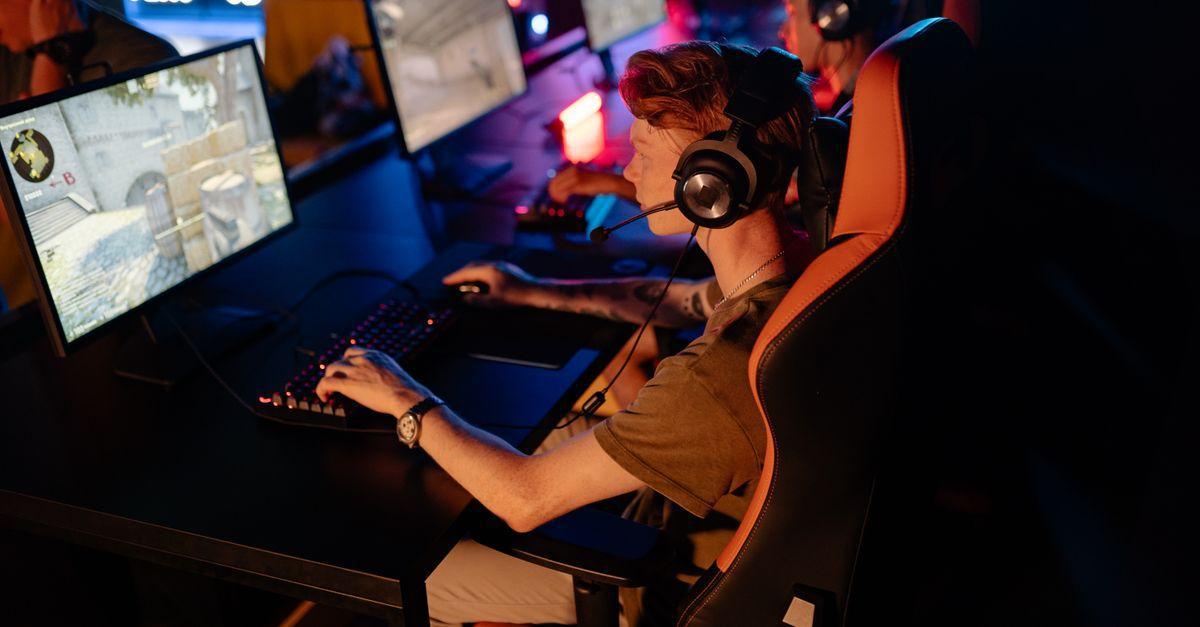
Have you ever joined an online match and ended up talking with someone who lives thousands of miles away?
That small moment says a lot about how online gaming changed from a solo pastime into a shared social space. Players now build friendships, learn habits from other cultures, and team up across time zones without needing a passport.
The shift did not happen because games became louder or flashier. It happened because better internet access, voice chat, shared goals, and player communities turned digital play into a meeting place across borders.
Faster Connections Made Shared Play Feel Natural
Online play became social once distance stopped feeling like a technical problem.
Lower Latency Helped Players Trust Each Other
Early online matches often felt slow, uneven, or unreliable, which made teamwork difficult. As connection speeds improved, players could react to each other in real time, follow plans, and read the flow of a match without long delays getting in the way.
Stable Access Turned Occasional Matches Into Regular Meetups
Reliable home connections allowed players to return to the same groups night after night. A random teammate from another country could become a regular partner because logging in at the same time became easy and predictable.
Across many gaming spaces, even niche communities tied to names like slot88 show how shared access can bring players into the same digital room despite living in different regions.
Voice Chat Changed Teamwork Into Conversation
Text alone helped players coordinate, but voice made the experience feel personal.
Real Voices Created Stronger Social Cues
Hearing another player laugh, react, or explain a plan makes cooperation feel more human. Voice chat adds tone and timing, which helps players understand intent and avoid confusion during fast matches.
Casual Talk Built Friendships Between Matches
Many cross-border friendships begin in the quiet moments before or after a match. Players ask about weather, school, work, food, or local customs, and those short conversations often turn strangers into familiar voices.
Shared Goals Helped Players Ignore Distance
Teams form quickly when players need each other to succeed.
Cooperative Play Created A Common Purpose
Online games often ask players to solve problems together, defend a target, complete missions, or manage limited resources. These shared goals give players from different countries a reason to communicate clearly and value each person’s role.
Skill Became A Universal Language
Players may not share the same first language, but they can still recognize smart decisions, quick reactions, and reliable teamwork. Respect often grows from performance, consistency, and the ability to help the group under pressure.
Gaming Communities Gave Players A Place To Belong
Social bonds became stronger when matches extended into ongoing communities.
Groups Formed Around Schedules And Interests
Players often gather around preferred play styles, time zones, languages, or skill levels. These groups make international play easier because members know when others are available and what kind of communication works best.
Community Spaces Kept Conversations Going
Players do not always stop talking when a session ends. Community channels, forums, and group chats allow people to share tips, plan future sessions, discuss updates, and stay connected between matches.
Some players also move between different online formats, and a name such as slot dewa66 can become part of the wider mix of gaming spaces where social ties form through repeated visits and familiar names.
Language Barriers Became Easier To Manage
Cross-border play grew because communication tools became more flexible.
Simple Phrases Became Enough For Team Play
Players often rely on short phrases, map markers, quick commands, and shared symbols to coordinate. A team does not need perfect grammar to warn about danger, call for support, or agree on a plan.
Translation Tools Reduced Friction
Built-in translation, community dictionaries, and common gaming terms help players understand each other faster. Even imperfect translation can keep a conversation moving and make international groups more welcoming to new members.
Different Cultures Made Online Play More Interesting
Gaming across borders also exposed players to daily life outside their own country.
Players Learned Through Ordinary Conversation
Casual chat often teaches more than formal lessons because it comes from real people. A player may learn how holidays are celebrated elsewhere, how time zones affect routines, or how humor changes across languages.
Respect Grew Through Repeated Contact
Regular play helps people move past stereotypes because they interact as teammates rather than distant strangers. Trust builds through small actions such as showing up on time, sharing advice, and staying calm after a mistake.
Online Gaming Became A Social Bridge
The strongest change is that play now carries real social meaning.
Digital Spaces Became Meeting Places
Online gaming gave people a low-pressure way to meet across borders. Players can join a match, contribute to a team, and slowly build trust without needing formal introductions or shared background.
Cross-Border Friendships Became Normal
For many players, having friends in other countries no longer feels unusual. Online gaming made international connection part of ordinary life by combining shared goals, live communication, and repeated time together in the same digital spaces.