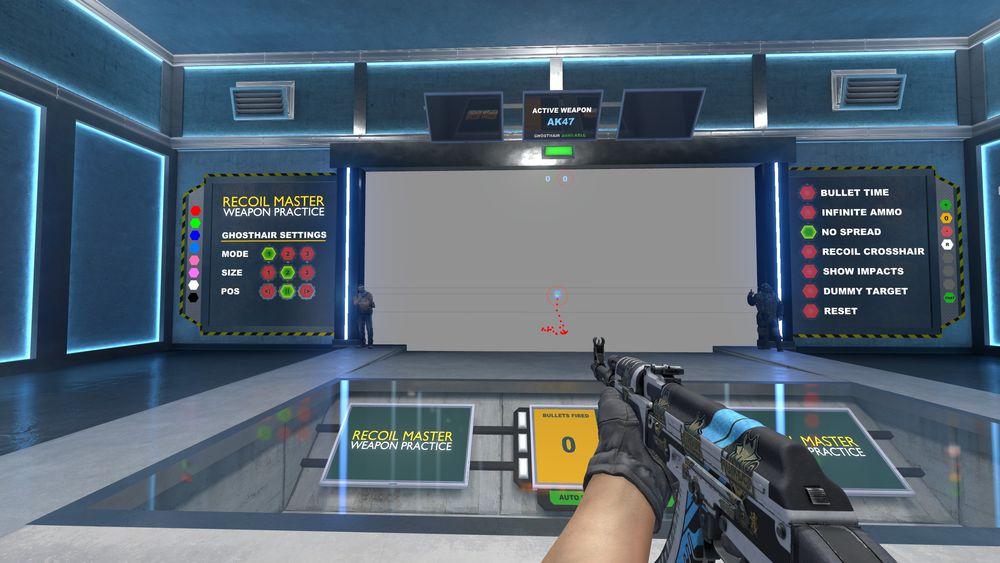
From casual matches to professional tournaments, real-time stat tracking has become essential for players looking to improve their Counter-Strike 2 performance and gain deeper insights into competitive play.
Counter-Strike 2 has transformed the tactical shooter landscape with enhanced graphics, refined mechanics, and deeper statistical tracking than ever before. Whether you’re grinding through matchmaking ranks or following professional tournaments, understanding how to leverage real-time statistics can dramatically improve your gameplay and viewing experience. According to gocore, the game’s complexity means that raw skill alone isn’t enough – players who master data-driven approaches consistently outperform those who rely purely on intuition.
Professional CS2 events represent some of the biggest spectacles in esports, drawing millions of viewers worldwide. For fans looking to deepen their engagement with tournaments, professional prediction platforms offer detailed match outcome predictions based on comprehensive team statistics, player performance metrics, and historical data. These platforms transform passive viewing into active participation, allowing fans to make informed predictions about their favorite teams and players while gaining insights that enhance their understanding of professional-level strategy.
Why Real-Time Stats Matter More Than Ever
The shift from CS:GO to Counter-Strike 2 brought significant changes to how statistics are collected and displayed. The new Source 2 engine provides more granular data tracking, offering insights into everything from crosshair placement accuracy to utility usage efficiency. This wealth of information creates opportunities for players to identify specific areas for improvement rather than relying on vague notions of “getting better.”
Real-time tracking allows you to spot patterns as they develop during matches. You might notice that your aim deteriorates after round 15, suggesting fatigue issues, or that you consistently struggle against specific weapon types on certain map areas. These insights become actionable intelligence that can guide your practice sessions and in-game decision making.
For competitive players, stat tracking also reveals the subtle differences between rounds won and rounds lost. Understanding why you succeed in clutch situations or fail to convert advantageous positions helps build consistency – the hallmark of high-level play.
Essential Metrics Every Player Should Monitor
Aim and Accuracy Statistics
Your headshot percentage, first-bullet accuracy, and spray control metrics tell the story of your mechanical skill development. Professional players typically maintain headshot percentages above 50%, while casual players often hover around 25-35%. Tracking these numbers over time reveals whether your aim training is paying off or if you need to adjust your practice routine.
First-bullet accuracy deserves special attention in CS2, where the updated shooting mechanics reward precise initial shots more than sustained spraying. Players who improve this metric often see immediate rank increases, as opening duels become much more winnable.
Positioning and Game Sense Data
Modern stat tracking goes beyond simple kill/death ratios to examine positioning quality. Metrics like average damage per round (ADR), utility damage, and survival rate in different map zones reveal how well you understand Counter-Strike’s tactical elements. High ADR with low kill counts often indicates good positioning but poor finishing ability, while high kills with low ADR might suggest you’re taking unnecessary risks for flashy plays.
Map control statistics show how effectively you gather information and deny space to opponents. Players who consistently maintain map control win more rounds, even when their aim isn’t perfect.
Economic Impact Measurements
CS2’s economy system rewards strategic thinking about when to save, when to force-buy, and how to maximize team resources. Tracking your economic decision making reveals patterns that directly impact win rates. Players who master economic timing often climb ranks faster than those with superior aim but poor money management.
Understanding your average economic contribution per round helps identify whether you’re pulling your weight financially or consistently draining team resources through poor purchasing decisions.
Tools and Platforms for Real-Time Tracking
Built-In Game Statistics
Counter-Strike 2 provides comprehensive match statistics through the in-game scoreboard and post-match summaries. The enhanced demo system allows detailed replay analysis, where you can examine specific rounds from multiple perspectives and identify improvement opportunities.
The game’s official statistics tracking has improved significantly, offering heat maps, timeline analysis, and comparative performance data that previously required third-party tools.
Third-Party Analytics Platforms
External platforms offer more sophisticated analysis tools, including long-term trend tracking, peer comparisons, and predictive modeling. These services often provide insights unavailable through the base game, such as clutch success rates, pistol round effectiveness, and site-specific performance metrics.
Some platforms integrate social features, allowing you to compare your progress with friends or players at similar skill levels. This competitive element can motivate consistent improvement and help identify achievable short-term goals.
Professional Tournament Integration
Following professional tournaments becomes more engaging when you understand the statistical narratives behind each match. Teams with strong anti-eco records often have different strategic approaches than those who excel in full-buy situations. Recognizing these patterns helps you appreciate the tactical depth of professional play while informing your own strategic thinking.
Many fans enhance their tournament viewing experience through Pick’ems systems, where they can predict match outcomes and bracket progressions based on statistical analysis. These systems reward deep understanding of team strengths, recent form, and head-to-head matchups, turning tournament viewing into an interactive challenge that tests your CS2 knowledge.
Practical Application: Using Stats to Improve
Identifying Weakness Patterns
Raw statistics only become valuable when you can translate them into actionable practice plans. If your stats show poor rifle performance on long-range duels, dedicate practice time to pre-aiming common angles and improving your spray control at distance. If utility usage efficiency is low, spend time learning proper grenade lineups and timing.
The key is connecting statistical insights to specific practice activities. Generalized “aim practice” is less effective than targeted training based on your performance data.
Setting Measurable Goals
Statistical tracking enables goal-setting that goes beyond simple rank progression. You might aim to increase your first-bullet accuracy by 5% over the next month, or improve your survival rate on CT-side Mirage by positioning more conservatively. These specific, measurable objectives provide clear direction for improvement efforts.
Short-term statistical goals also help maintain motivation during inevitable losing streaks. Even when your rank temporarily decreases, you can see progress in underlying metrics that predict long-term success.
Adapting Playstyle Based on Data
Statistics often reveal that your perception of your playstyle doesn’t match reality. Players who consider themselves aggressive might discover they’re actually quite passive in crucial rounds, while those who think they play support roles might find they’re taking too many opening duels.
This self-awareness allows for strategic playstyle adjustments that complement your natural tendencies while addressing statistical weaknesses.
Advanced Strategies for Competitive Players
Team Statistics Integration
For players participating in organized team play, individual statistics must be analyzed within team contexts. Your personal ADR might be low not because of poor individual performance, but because your role involves creating space for teammates to get favorable engagements.
Understanding how your individual metrics contribute to team success helps optimize role distribution and tactical approaches. Teams that analyze statistics collectively often develop more cohesive strategic approaches than those relying purely on individual skill.
Meta Analysis and Adaptation
Statistical tracking reveals how the CS2 meta evolves over time. Weapon usage patterns, popular strategies, and successful tactical approaches shift as the community adapts and learns. Players who monitor these trends can anticipate changes and adjust their preparation accordingly.
Following professional statistics also provides insight into emerging strategies that might not yet be common in matchmaking but could provide competitive advantages for early adopters.
Long-Term Development Planning
Statistical tracking enables long-term skill development planning that goes beyond immediate rank goals. You can identify skills that require months of dedicated practice and track progress incrementally rather than expecting immediate results.
This approach prevents frustration during skill plateaus and provides motivation through measurable progress indicators even when overall performance seems stagnant.
The Future of CS2 Statistical Analysis
As Counter-Strike 2 continues evolving, statistical tracking will become even more sophisticated. Machine learning algorithms will provide predictive insights about opponent tendencies, while advanced visualization tools will make complex data more accessible to casual players.
The integration of real-time coaching tools with statistical platforms promises to create more personalized improvement recommendations, potentially accelerating skill development for dedicated players.
Understanding and utilizing statistical tracking represents a fundamental shift in how serious CS2 players approach improvement. Rather than hoping for gradual progress through repetition, data-driven approaches provide clear roadmaps for advancement and objective measures of success. Whether you’re climbing matchmaking ranks or following professional tournaments, statistical literacy has become as important as mechanical skill in the modern Counter-Strike landscape.