
It was 2001. I was unemployed, depressed and had zero motivation. My days were spent playing video games, and then I'd go to bed at 4am after a solid 8-hour stint playing Halo on Xbox, or Championship Manager on PC.
This had been going on for a month or so. I was a big gamer before that, captaining one of the first Ghost Recon clans on Xbox Live and regularly meeting up for training sessions with the team or playing in matches most evenings.
However, when I lost my job, I found that my safe space could be found by totally immersing myself every hour that I could in the games that I loved.
This led to a big problem…
One night, my girlfriend, who I'd be living with for around five years, gave me a big dilemma. “It's me or the Xbox,” she said, “otherwise I'm leaving. Your choice.” My gaming habits were pretty hardcore before this particular phase – spending most nights gaming – but now they had hit a new level.
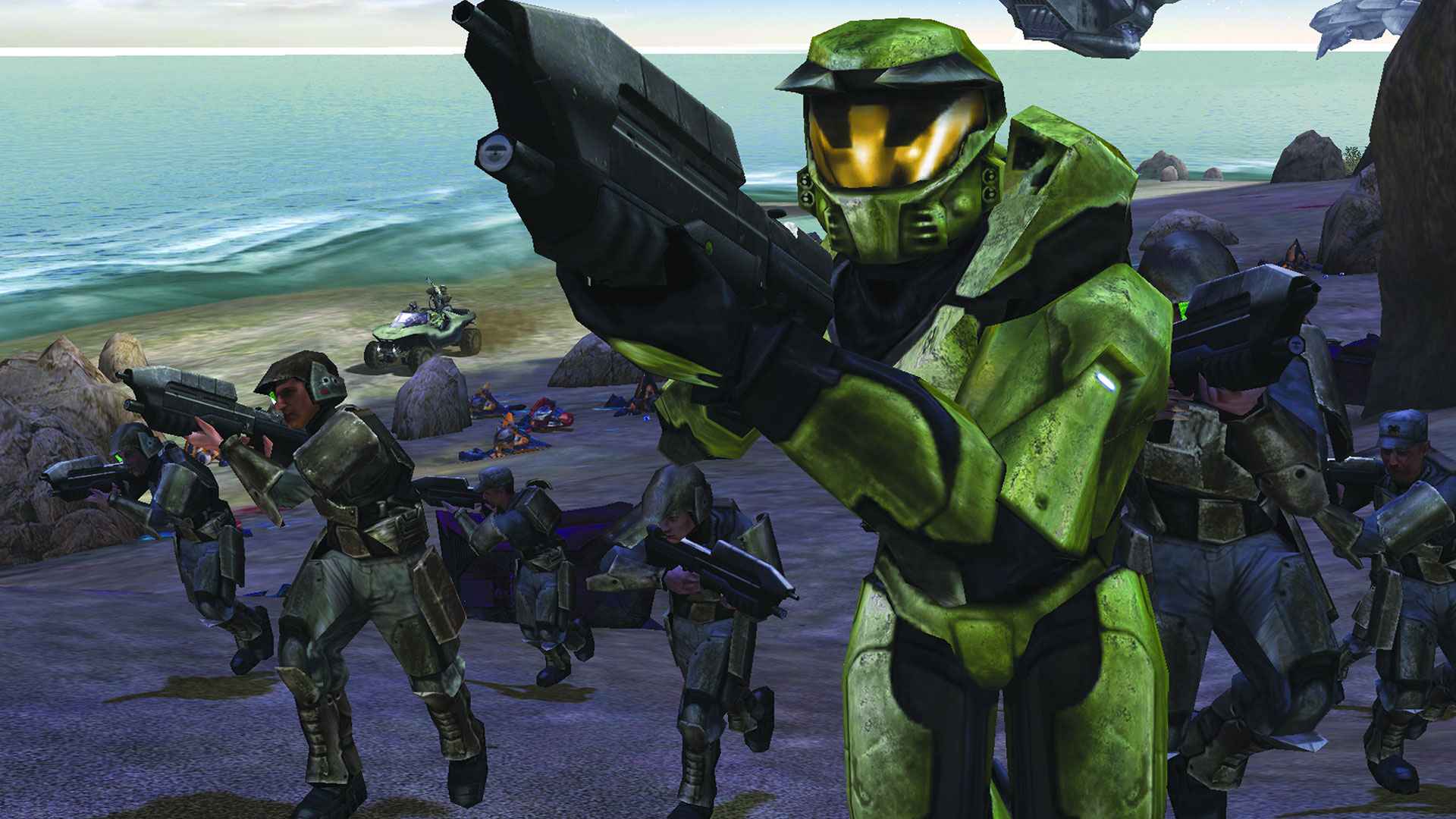
I'd been choosing to spend the evenings chatting to people who I’d never met, and obsessing over mastering games like Halo and Ghost Recon at the dawn of Xbox Live. Meanwhile, my girlfriend had largely been ignored. She’d had enough.
She was serious. She meant it. At that moment it felt like I had to make a choice between either her or video games. I loved her, but I loved video games too, and my brain went into meltdown.
I didn't give her an answer that night. I was stunned. I lay awake into the early hours questioning my gaming habits, but also convincing myself that I was doing no harm, while trying to think of ways in which I could convince her not to leave me with things just carrying on the way they were.
“She's never played a video game!” “What does she understand about being a gamer?” “She doesn't understand me”. “I'm not out having an affair, I'm simply playing games”. I felt quite angry at the perceived injustice of the demand.
Seventeen years ago, I never would have imagined us where we are now.

How We Became Gamers Together
Told her that I loved her
I wasn't just saying it for effect, I did love her very much, and I told her I'd be willing to do whatever it takes for her to stay. This was day one - it went down very well. I stayed away from games that night and we sat around chatting like old times. The spark had been rekindled by my apparent willingness to give up gaming, and it was a wakeup call – if this relationship was going to work it just has to be a two-way thing. However, I'm not giving up gaming.
I then put the second phase of my plan into action.
Convinced her to play a game
Play a game together. “Just try it,” I said. “We can take turns, talk about it together.” That game was Silent Hill 2. She started the game and I talked her through the initial stages as she got used to using a controller for the first time.
We then swapped over, and it was clear she was pretty much immediately transfixed by the eerie atmosphere of Konami’s murky world, the narrative and the frights. Previous to this, her experience of video games at home was seeing the back of my head, listening to me curse at at the abusive kids on Xbox Live, and being bored to tears watching me play multiplayer shooters. Something good had begun.
Compromised
I cut back on gaming. It was getting out of hand. I was shutting myself off. I was never going to give it up, but I didn't really have to play for eight hours every night to get my gaming kicks. In fact, I found that having a break every other day, and then having a mammoth session on a Friday or Saturday night with my regular gaming buddies was something to really look forward to. I also began to write about video games in my spare time, which would help dull the pangs of my addiction.
Built on that initial enthusiasm she had for Silent Hill 2
We continued to play Silent Hill 2 together, and I'd tell her about upcoming games that I thought she might like. It was clear that if she was really going to embrace the gaming culture, it wasn’t going to be through shooters or big action games, but in adventures. In 2002, the launch of Elder Scrolls III Morrowind changed everything.
Within a few months of entering Bethesda's wonderful world, she was hooked. She loved messing around in the inventory to make our character the best it could possibly be, and foraging around for ingredients to become a master alchemist. I hated that, and she hated combat. It was a gaming marriage made in heaven as we worked together in our new fantasy world taking on different roles that complemented each other.
She ended up putting more hours into Morrowind than me!
Got a job in video games
I've had a ton of mundane office jobs. Hated them. Video games were my passion. It was her encouragement that convinced me to follow my dream and do what I want to do. She loved video games too now, understood my passion and always kept telling me that if you really want to work in video games then do something about it.
I started attending a lot gaming events, I'd write for free for numerous gaming websites and I kept a portfolio of my work. I soon got invited to press events, and I'd travel down to London paying out my own pocket just to meet developers and people who worked in the industry.
I eventually got my lucky break. I work in the video game industry, with her ever-loving support. I no longer need an excuse to play!
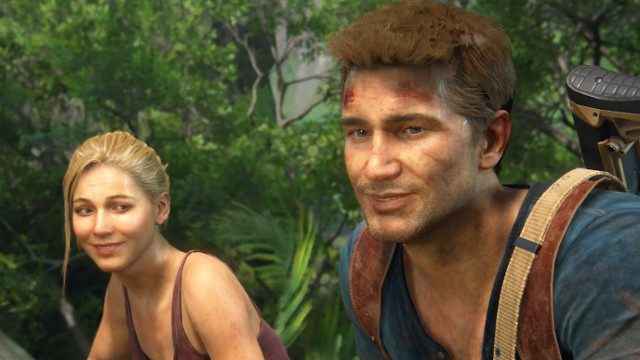
My wife is now as keen a gamer as me (currently playing through Detroit Become Human for the second time), and I’m lucky that I can now play games for a living, although I also know when to turn the console or PC off.
We’ve now got two kids, who are also keen young gamers. We now play together as a family, mainly Stardew Valley or Minecraft.
One of the biggest things I’ve learned as I’ve got older is that gaming doesn’t have to be about isolating yourself. Sure, it’s great to spend a few hours alone immersed in your own fantasy world, but it can also be an engaging, interactive and thought-provoking, fun family activity. It should never be something that begins to affect others around you negatively.
Real-life loved ones are so important, as is getting out into the real-world talking to people and meeting with friends. However, when you really love video games too there is a way that you can make it work together in your relationship without things totally breaking down.
Through seventeen years together, ten years of marriage, and two children, she and I found a way to unify ourselves through our passion. And now we share our video game passion together, as a family.