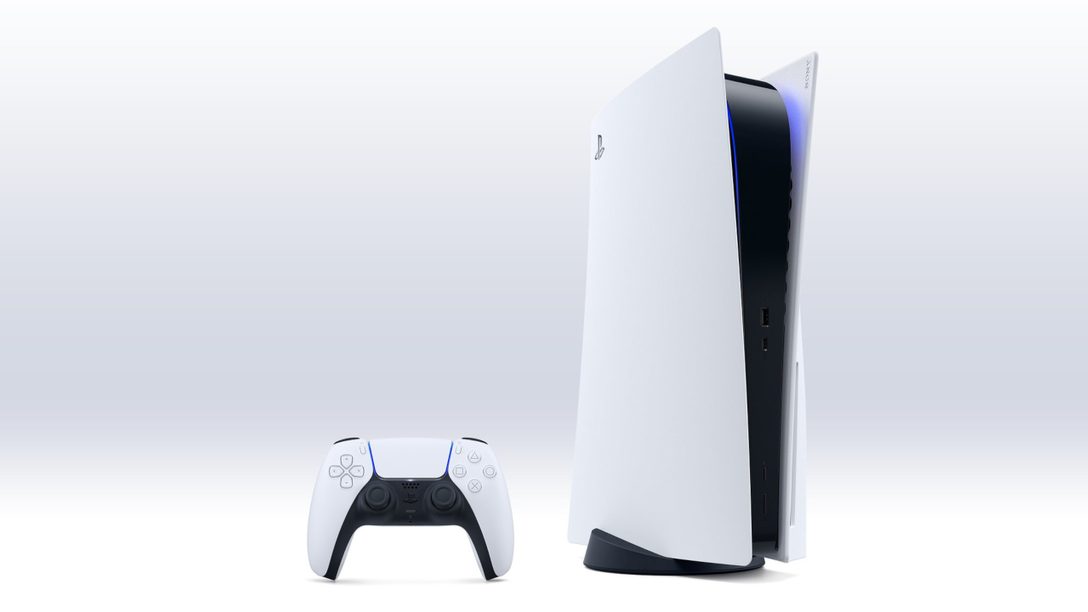
Different versions of console systems aren’t new, but the launch of the new generation has embraced these disparities like never before. Taking the form of the PS5 disc and Digital editions, these two devices come at very different price points, which might seem to make the choice easy. For those still without a console, however, we’d recommend further research, as the real effect on savings isn’t as black and white as it might initially seem.
Gaming in the Digital Age
For some devices, making the jump to an entirely digital system is an easy choice or not a choice at all. Though digital-only delivery was once derided as an inferior method of delivery by gaming diehards, that’s not necessarily the case. Mobiles, for example, operate entirely by digital systems, yet still offer some of the best titles that modern gaming has. Here, titles like Raid: Shadow Legends and Stormfall: Saga of Survival are easy to download and play due to their accessibility, and represent a model that Sony can follow. Ultimately, this sets a standard to which the PS5 Digital aspires, but these aspirations have a little trouble when taking a closer look.
Running the Maths
At the time of this article, the two PS5s are priced at $499 and $399 for the disc and digital editions respectively. This is an appreciable difference, which raises the question of why it exists. Though you might assume it’s because of hardware, the cost of a Blu-ray drive for a hardware manufacturer like Sony is only around $30, meaning the price difference must occur for another reason. This reason is most likely because Sony wants to move everyone onto their digital ecosystem, but why?
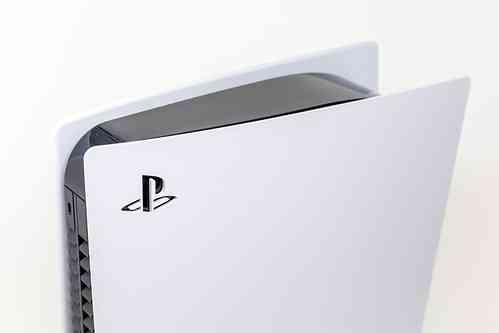
“Close-Up Photo of Sony Logo on Upper Par” (CC BY 2.0) by verchmarco
When users are on the Digital Edition, they only have access to digital codes for games, which means they need to rely on Sony’s store. As for why this is so important, the answer is simple; direct sales. Each game sale on the Digital Edition gives money straight to Sony, which they obviously want. In the disc edition, however, users can also buy games on the second-hand market. Sony received no additional payment for these purchases, as they’re kept entirely out of the loop, and they hate that. Of course, there is nothing wrong with Sony wanting this, except for the fact that, in the long term, it could hurt player’s wallets.
Consider the $100 price difference between the two models. When buying second-hand, users can easily save upwards of $15 per game. In this way, a PS5 disk version owner that purchases more than six second-hand games in their console’s lifespan would already have come out ahead of their digital-only counterparts. Factor in the additional value of being able to play your existing PS4 disc titles on the PS5, and the value of the disc edition becomes that much greater.

“Dualsense controller” (CC BY-SA 2.0) by Sergey Galyonkin
The move by Sony is a clever business decision, and it’s certainly not something we can fault them for. Getting users involved within a console ecosystem is incredibly valuable to a console manufacturer for economic security, and it’s something both Nintendo and Microsoft are similarly taking steps to achieve. For potential buyers out there, however, it could be worth taking another look at which PS5 you want to buy, especially if you’re the type to collect a large library of games. It might take a little more saving upfront, but over years, you could be thankful that you played the long game.