Controversies have surrounded video games since the first time they went public. Blaming began with the first Mortal Kombat, to the point that violence accusations were escalated to the court. These court hearings changed the industry and started the Entertainment Software Rating Board (ESRB), a company that rates games for age appropriateness.
But are the video games as evil as they’re painted? How can a hobby that feels so good be so bad for you? The reality is more nuanced than the headlines suggest.
Like most tools we use to cope with stress, games can either support mental health or make things harder, depending on how and why we use them. Read more to know how video games can benefit mental health and when good can grow into harm.
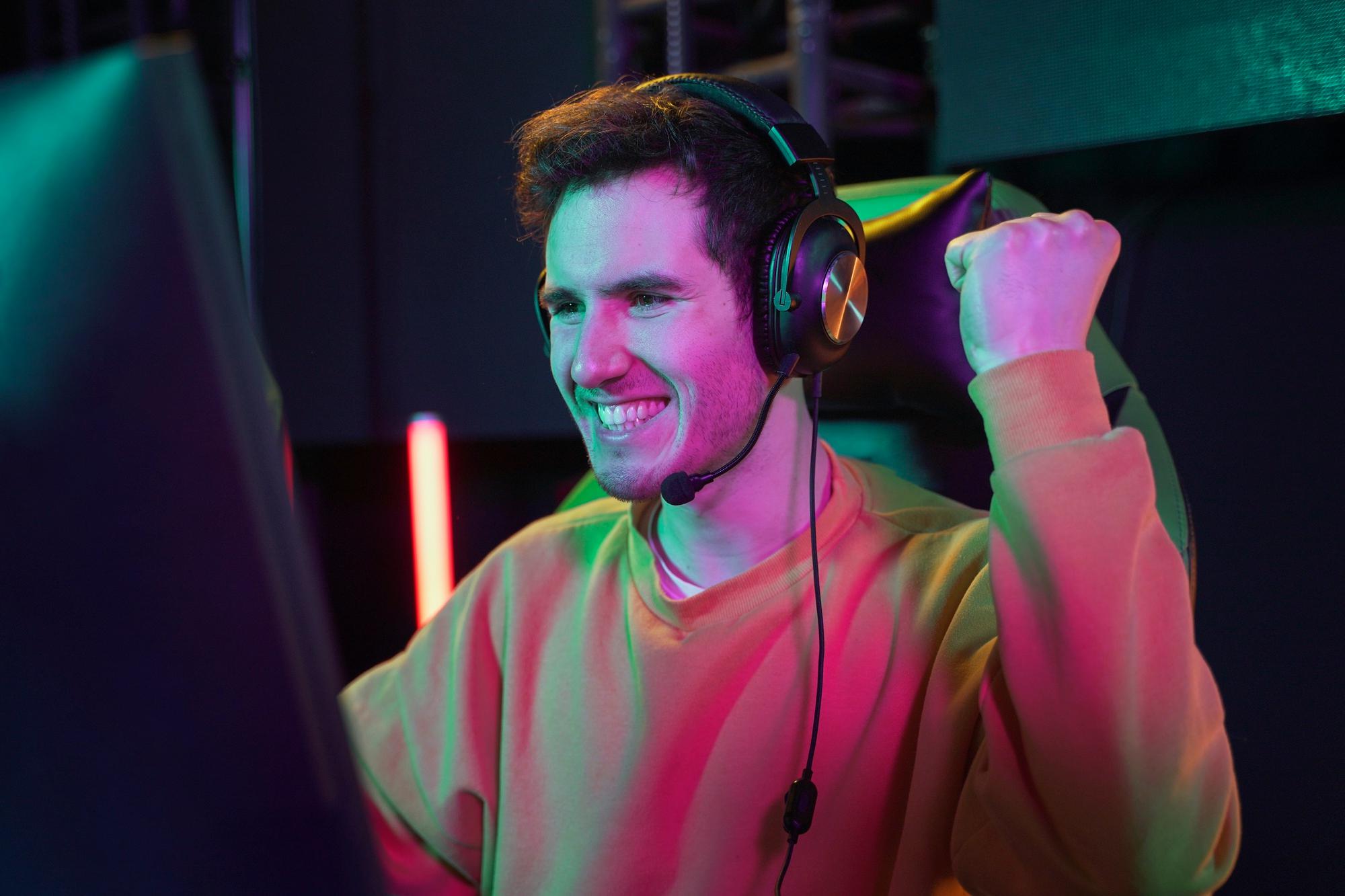
5 Ways Mental Health Benefits from Video Games
Video games are just another form of media, like books or TV shows. Like every piece of media, it’s not the tool that can harm you, but the way you consume it.
When used intentionally, video games can support mental health. Importantly, these benefits don’t come from endless scrolling or competitive pressure. Below are five evidence-informed ways video games can positively influence mental well-being.
1. They relieve stress
A 2025 study of over two thousand Chinese participants showed that the students who played video games showed better mental health and exhaustion results [1]. Gamers generally have much lower anxiety levels. But why does that happen?
Firstly, it depends on the kind of game you play. Naturally, low-stakes games with soothing visuals, like the one from Breeze Mental Health, will help relax and unwind. When the mind focuses on simple tasks and predictable rules, the nervous system moves out of fight-or-flight mode and into a calmer state.
The games can also help with stress due to these factors:
Distraction;
Dopamine release due to achievements and stimulation;
Outlet for creativity or true identity;
Outlet for actions without consequences;
Functioning of a hobby: transition from work to rest.
2. They improve cognitive flexibility
Cognitive flexibility is the brain’s ability to adapt to new information and change strategies when something isn’t working. This ability allows you to challenge negative self-thinking and stereotypes, while also adapting to new environments.
Video games have elements like new worlds, evolving rules, and unexpected obstacles that offer a low-risk space to practice adapting without serious consequences. In an experiment of three thousand European kids, up to five hours of gaming a week contributed to better academic achievements and higher intellectual functioning [2].
For mental health, this matters because rigidity fuels anxiety, perfectionism, and burnout. When the brain learns that change isn’t dangerous, you are more prone to experimenting and improving your quality of life. Games that reward curiosity retrain the mind to stay open rather than stuck, which is especially helpful for people dealing with chronic stress or trauma-related patterns.
3. They Boost Self-Esteem
There are a few ways in which video games can improve self-esteem:
Achieving something or fighting especially tough “final bosses” provides a sense of accomplishment. This feeling, in turn, cultivates the belief, “I’m capable of something, and I am proud of myself.”
“The flow state,” also known as “God” state, is a feeling of being deeply immersed in a process that feels incredibly easy and inspiring. This state is associated with better self-worth results and, hence, mental health outcomes.
“Failures” and mistakes in video games are expected. Unlike real life, where occasional mistakes feel like a continuous failure, video games normalize process and attempts. You can make mistakes as long as you enjoy the process and don’t judge yourself by a few attempts.
For individuals who feel disconnected from their strengths, especially during depression or burnout, this sense of capability is essential. Feeling “I can do this” in a virtual space may seem small, but it can carry incredible meaning.
4. They offer community
Online games, or those where teamwork is required, significantly reduce loneliness. Shared goals and cooperation allow players to interact and complete quests together. It can bring together even complete strangers, who wouldn’t even talk to each other in real life.
Even if you don’t play online video games, there are a few benefits of video games for social life. For example, new topics for discussion. Talking about video games as a shared hobby can be a very effective icebreaker and jumpstart new friendships.
Importantly, gaming communities can also provide validation. Being valued for teamwork, strategy, humor, or reliability helps people feel seen beyond their struggles. While games shouldn’t replace real-world relationships entirely, they can supplement social needs and reduce loneliness.
5. They allow self-exploration
Real life can be a cruel place for people who stick out from social norms in appearance or beliefs. Exploring yourself through games’ storylines and customization is a safe way to boost self-awareness and learn more about your values and identity.
Story-driven games invite players to reflect on moral decisions, reactions, and personal boundaries. Others allow customization, letting players express aspects of themselves they may suppress elsewhere. Recognizing how you react to challenge, loss, cooperation, or power in a game can offer insights into real-life behaviors.
How Video Games Can Backfire
While video games can support mental health, they are not automatically beneficial. Their impact depends on how and why they are used. Here’s how the benefits of video games can backfire when used incorrectly:
Increased loneliness. Gaming can reduce loneliness when it adds connection, but it can worsen it when it replaces real-world interaction entirely. Spending most free time gaming may gradually shrink offline relationships, especially if games are used to avoid social discomfort.
Creating more stress instead of relieving it. Competitive games, constant performance pressure, toxic online environments, or overstimulation can add even more stress.
Unhealthy escapism. Games can offer a healthy break, but they can become problematic. If gaming is the only way to cope with distress, stress may return stronger once the game is finished.
Addiction to stimulation. Games are built in order to keep you for a long, long time. Dopamine-driven mechanics can disrupt the brain’s functioning, for example, by making it harder to tolerate boredom

Bottom Line
The fact remains: Video games and mental health are tightly interconnected. Video games are neither a cure nor a threat by default.
Video games can offer significant benefits for mental health, from simple unwinding to changing perspectives about life and oneself. At the same time, their benefits depend on balance.
Gaming works best when it supports life rather than replaces it. Choosing calming or meaningful games and setting healthy limits for playing 9is what makes all the difference.
FAQs
Are video games good for mental health?
There is no definitive answer to whether video games are beneficial for mental health. As in most things, it depends on how they are used. Research suggests that certain types of games can help reduce stress, improve mood, and provide a sense of accomplishment or control. Problems tend to arise not from gaming itself, but from excessive use or using games as escapism from the real world.
What do psychologists say about video games?
Many psychologists view video games as a neutral tool whose impact depends on how and why they’re used. Many myths about gaming, like gaming and violence, gaming and declining cognitive abilities, etc., were debunked. As clinicians suggest, games are not the problem; their misuse is.
Can video games increase violence?
The link between video games and real-world violence is weak and often overstated. Most large-scale studies do not show a direct causal relationship between playing video games and violent behavior. Long-term aggression is more strongly linked to factors like stress, trauma, and mental health conditions rather than gaming itself.
How to play video games in a way that’s useful for the brain?
To support your brain health, choose games that match your current emotional and mental needs. Puzzle and strategy games can enhance problem-solving and cognitive flexibility, while calming games can help regulate stress. Set clear time boundaries, take breaks, and notice how you feel before and after playing.