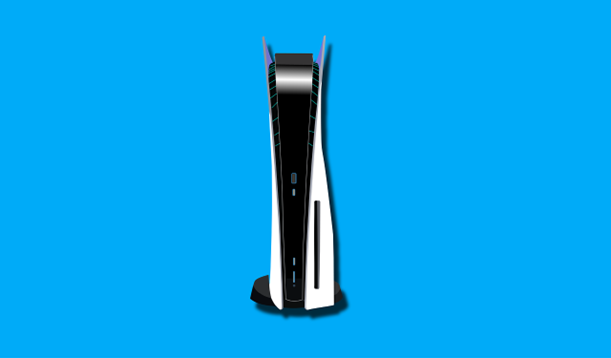
Local storage is no longer compatible with games of today. Today’s blockbuster games have file sizes that are getting closer to 100 or 200 gigabytes, which puts a burden on console hard drives and household internet connectivity. This pressure point has been handled by the ecosystem of Sony through the implementation of a cloud-based infrastructure strategy. Issues with storage management and lengthy downloads are resolved by the cloud streaming feature included in PlayStation Plus Premium. As a result of the fundamental shift that instant-access gaming represents in the manner in which console content is given, consumed, and valued, player expectations around immediacy have been altered.
From Discs to Cloud: Instant Access Evolution
Beginning with cartridges, then moving on to optical discs, then complete digital downloads, and finally arriving at the cloud, the distribution of console games has progressed. Physical obstacles to entry were reduced as a result of the steps. Although digital downloads allowed for the elimination of physical retail, they also introduced the inconvenience of having to wait for huge files to transfer and install. Cloud gaming, often known as game streaming, is seeking to eliminate this final hurdle. The game is played off-site through the use of a remote server architecture, and players only get video and audio. Additionally, they provide controller inputs in real time at the same time. Consumption is moved away from being restricted by local hardware and toward being centralized and immediate through the use of this method.
PlayStation’s Streaming Infrastructure
PlayStation Cloud Gaming, which is included with PlayStation Plus Premium, is the primary investment in the infrastructure. Sony ensures that the delay between player input and on-screen activity is kept to a minimum by utilizing a worldwide network of low-latency data centers. Through the use of this method, users can launch and play games from a diverse and rotating archive without having to download them. The success of this design may be attributed to the utilization of sophisticated video encoding for effectively compressing the gaming stream, as well as network protocols that prioritize time-sensitive data packets, to do rid with the need for local file management for a significant portion of the game library.
Player Behavior in Zero-Download Games
The ability to rapidly launch a title has changed player habits from collecting to sampling. Since there is no time or hard drive space commitment, players are more ready to try niche genres or shorter experiences. This access allows players to try dozens of old games in the time it takes to download one modern game. This low-barrier appeal permeates the digital entertainment economy. From PlayStation’s cloud initiatives to browser-based games like free slots with no download, smooth, easy-to-access gaming is a trend among younger people who want to consume digital information right away. Instant access is great, but you should only choose sites you trust that feature games that have been carefully picked and are easy to locate. In this manner, gamers may have fun without having to put in a lot of effort.
Bandwidth and Latency Opportunities and Issues
Not everyone has a broadband connection that is constantly on and fast enough for cloud gaming. Latency, which is how long it takes to send a signal to a computer far away and get a video back, is the biggest tech issue. In fast-paced, competitive genres, services need to be reliable because even small delays may ruin the whole thing. This method processes huge amounts of data from a distance, which opens up a huge market. It also makes high-fidelity gaming viable on PCs, mobile devices, and even consoles with inferior specs.
Broader Instant Play Culture
This feature is available throughout the whole industry, not only on Sony’s platform. In addition, GeForce NOW and Xbox Cloud Gaming are contributing to the further dissemination of this culture. Xbox Cloud enables users of Xbox consoles to instantly access Game Pass libraries across all platforms, while GeForce NOW enables gamers of personal computers to avoid the hardware requirements of games that are particularly demanding. In light of this collective trend, it appears that future console battles will be more concerned with the efficiency, scope, and quality of cloud content distribution than they will be with technological specs. Using technology that provides rapid access, the player library is being transformed into an unlimited and instantly accessible service.