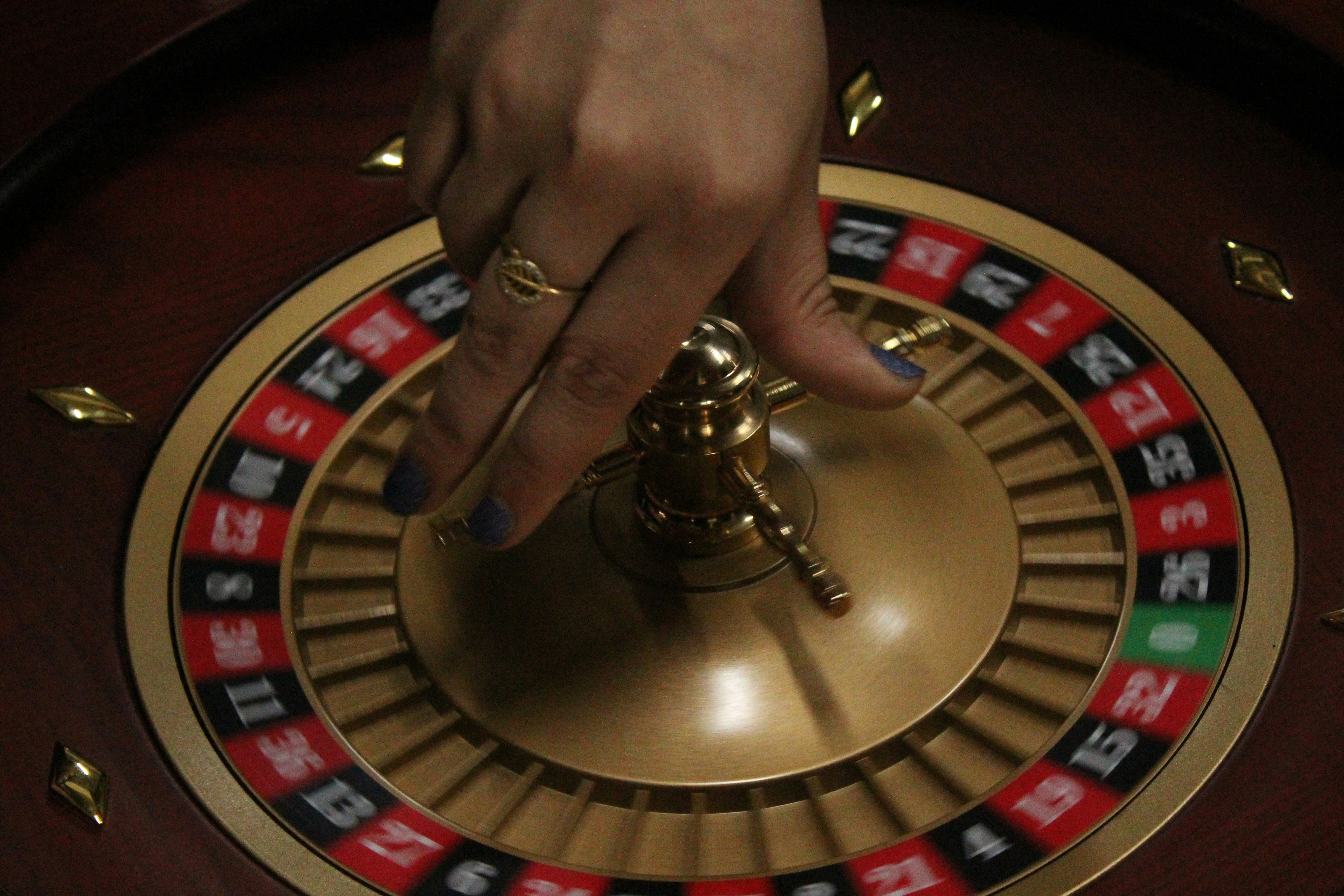
Double the balls, double the chances, double the excitement. Double Ball Roulette takes one of casino gaming’s oldest ideas and gives it a jolt, keeping the wheel everyone recognises while adding enough extra action to make each spin twice as good.
You know roulette when you see it. The wheel spins, the ball rattles around the rim and everyone waits to see where it lands. Double Ball Roulette takes that old casino ritual and throws in one extra ball, which sounds like a small tweak until both are bouncing around at once and the table suddenly has twice as much going on.
One Extra Ball Changes the Result
The basic wheel has not been reinvented. A single-zero roulette wheel still carries 37 pockets, numbered 0 to 36, and the betting layout gives you choices between individual numbers and wider groups. The difference is that one spin now produces two ball results, so a round that once ended with one number can finish with two.
That makes the maths immediately more interesting. On a 37-pocket wheel, one ball has a 1-in-37 chance of landing on one chosen number, or about 2.70%. With two independently resolved balls, the chance that at least one lands on that chosen number rises to about 5.33%. The chance of both landing on the same chosen number is 1 in 1,369, or roughly 0.073%. Those figures are probability illustrations rather than payout rules for any particular casino game.
The live-table context is useful here. The vegas stars online casino offering includes European and American roulette within its live casino, with real dealers and different table limits, so roulette already sits inside a broader live gaming setup. Double Ball Roulette adds another result to watch without asking the player to learn a completely different game.
A Wheel Has an Engineering Problem to Solve
The second ball creates a problem you never have to think about when there is only one in play. The first can already be sitting in a numbered pocket while the second is still travelling around the wheel, so the hardware has to stop one result interfering with the other.
A 2026 roulette-system patent assigned to Interblock D.O.O., developed by Urban Bergant, John Joseph Connelly and five co-inventors, tackles exactly that problem. The design uses staggered launches and sub-pockets beneath the main wheel, allowing one ball to settle out of the way before the next completes its run.
The patent also gives a surprisingly detailed look at the mechanics involved:
| Engineering Detail | 2026 Patent Example |
|---|---|
| Roulette ball mass | 9.0 g |
| Ball diameter | 18 mm |
| Wheel diameter | 734 mm |
| Average rotations before stopping | About 16 |
| Example launch rate | Around 2 laps per second |
| Speed after 20 seconds | Around 0.3 laps per second |
Those numbers put the problem into perspective. A roulette ball is tiny compared with the wheel, but it is still moving fast enough that timing becomes important once there are two of them. Sensors can track the ball’s movement and help control when the next one is released, which keeps the spin readable rather than turning it into two bits of plastic crashing around the same track.
Old Games Survive by Changing One Rule
Games have always found ways to reuse old ideas without throwing away the part people already understand. The trick is to change enough to make the experience interesting again, then leave the basic logic alone. Roulette is especially well suited to that because the wheel and betting layout are recognisable once you have seen them a few times.
A good gaming comparison comes from Defender of the Crown. The original arrived in 1986, and a new version is returning to PS5 in 2026 with updated features while keeping the strategy-game identity that made the original work. Double Ball Roulette follows the same broad design idea: keep the old frame, then change one part that affects the whole experience.
That approach also shows up in the wider VegaStars live-casino menu. Roulette shares the section with blackjack, and baccarat gives players another traditional table format nearby. Game-show titles push the presentation further without changing what the classic tables are there to do.
Two Balls Mean Twice the Information to Read
A live roulette screen has to do a lot without making you work for it. With two balls in play, you are following more than the wheel itself because the result now depends on two moving objects and the interface has to keep both outcomes clear.
During a Double Ball Roulette spin, the player may be watching:
- both balls as they travel around the wheel
- the betting area before the round closes
- the live dealer feed
- the final result for each ball
- any on-screen settlement information
PlayStation players already know what happens when an online game falls out of sync. A delayed input or result can turn a smooth session into an irritating one very quickly, and live roulette has its own version of that problem because the wheel, dealer feed and on-screen result all need to line up closely enough for the action to make sense.
Cloudflare’s 2024 Radar Year in Review for Australia identifies latency as a critical part of internet quality because high latency directly affects user experience, and it also notes the growing importance of upload performance for livestreaming.
With Double Ball Roulette, there is even less room for the screen to lag behind the action because the player is waiting on two results rather than one.
Different Is Often Enough
Roulette variants work because they start with something players already know. A second ball changes the pace and the possible outcomes, but you can still look at the wheel and understand what game you are watching. That gives designers room to experiment without asking the player to learn a new rulebook from scratch.
Adam Greenblatt, CEO of BetMGM, described the appeal when he spoke to iGaming Business in November 2023 about Dual Play Roulette: “That table is one of the most popular in the physical casino and our digital players like it because it’s something different.” The useful part is “something different.” Roulette does not have to become unrecognisable to offer a new experience.
VegaStars takes that idea into a broader casino catalogue, where live tables sit alongside game-show formats. Its tournament and reward features add another layer around the games themselves, rather than changing the basic rules every time a player wants something different.
Roulette Still Has to Feel Like Roulette
The second ball changes the probabilities and engineering, then gives the screen more information to handle during each spin. The game still depends on one old idea: you should be able to sit down and understand what is happening. Double Ball Roulette has to add enough to make the spin interesting while keeping the table readable.
The same practical test applies on smaller screens. VegaStars supports browser and mobile access, so its live-casino interface has to work on phones as well as larger displays. A roulette variant with extra movement and another result only works when that complexity stays out of the player’s way.
Double Ball Roulette is interesting because the change is so easy to explain. There are two balls instead of one. From there, the maths gets richer and the hardware gets more complicated. The screen has more work to do, yet the player can still recognise the game before either ball has completed its first lap.
Gambling is for entertainment purposes only and carries financial risk. Adults should only wager money they can afford to lose.