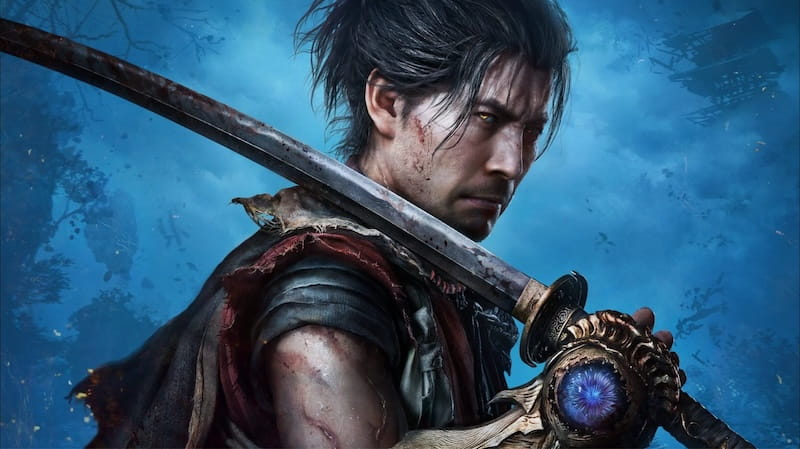
Onimusha Way of the Sword PS5 Preview. Capcom has been on an absolute roll the past five years or so, what with its Resident Evil remakes, Street Fighter 6, Dragon’s Dogma 2, and of course this year’s Resident Evil Requiem. Onimusha: Way of the Sword is its next major title, being the first new entry in the samurai-slasher franchise for two decades. And, from my second hands-on with the game, it’s clearly shaping up to continue the publisher’s winning streak, with more open-ended gameplay acting as a great complement to the linear, combat-focussed shenanigans that occupied my previous time with the game. In short? Way of the Sword is shaping up to be not only a worthy series revival, but also another jewel in Capcom’s current-gen crown.
Onimusha: Way of the Sword PS5 Hands-On Preview
My latest hands-on with Onimusha: Way of the Sword picks up following the epic ruck with Ganryu, which concluded my prior session last year. You can have a butcher’s at my writeup on that here. My playthrough introduces me to a couple of new gameplay wrinkles in the form of the Oni Bow, which not only serves as a great long range weapon but must also be utilised to solve a few simple environmental conundrums, shifting platforms up and down so you can navigate to new areas.
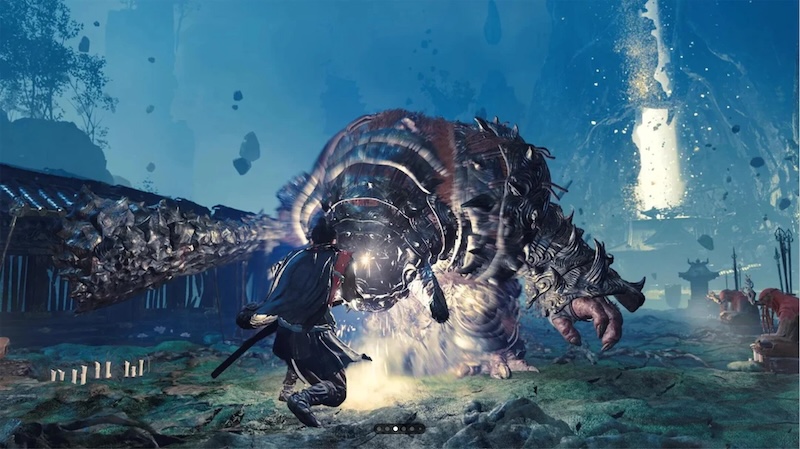
Meanwhile, Oni Vision, which I toyed briefly with previously, was brought into the limelight a lot more during this hands-on. Activated by pressing L2 and R2 together, this ability allows you to view hidden objects and pathways, which I found myself using quite a few times during my exploration of Kyoto. Here, the game opens up a bit more, as you are given multiple objectives to tackle across the settlement, which has fallen foul to Genma forces.The Oni Refuge serves as a type of hub before you venture out into Kyoto, where I’m tasked with sealing rifts and helping out civilians along the way.
The streets of Kyoto are stunningly detailed and really help accentuate the bloody and devastating cost of the conflict with the Genma. Corpses are piled in the streets, buildings lie neglected and ruined, and the area is deathly quiet aside from the clash of swords as Musashi battles with demonic forces. The freedom afforded to players is refreshing, as my prior experience with Way of the Sword was a much more linear affair; being able to freely explore the area for hidden items and completing objectives in any order is a welcome change of pace. It’s not a massive open-world by any stretch, but Kyoto’s large enough to allow you to stretch your legs.
There’s side quests here to tackle that are pretty rudimentary but still worth your time, mostly involving dispatching marauding Genma and saving townsfolk, who waste no time in rewarding you with valuable loot.
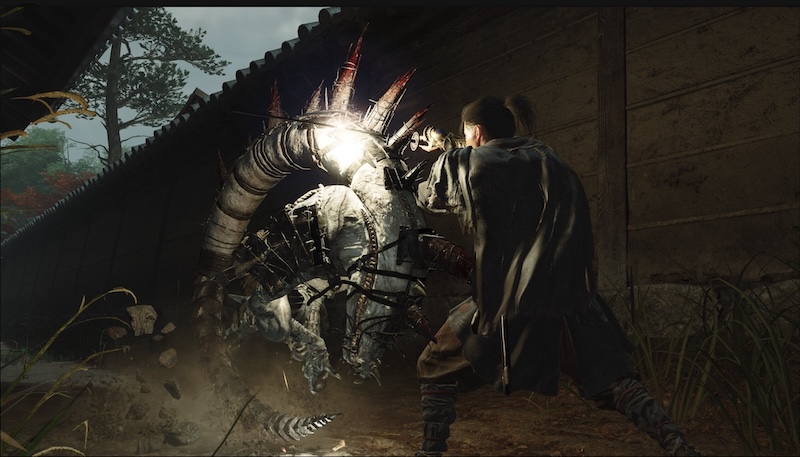
Rifts throw heaps of enemies at you that you must first dispatch before you can actually seal them, which can lead to some chaotic scraps as you are surrounded by not only rudimentary Genma, but also floating Kubi-Akari and lizard-like foes that possesses razor-sharp limbs.
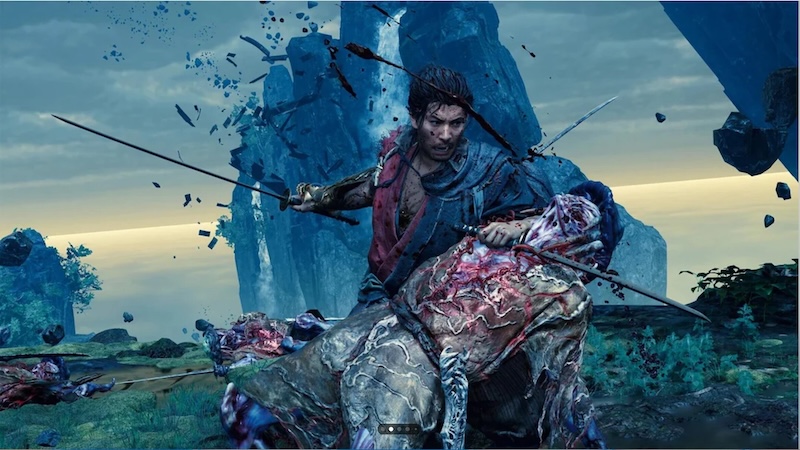
Way of the Sword’s combat remains as weighty and satisfying as my last round with the game. As I noted first time around, the stamina bar remains a vital component of any encounter, as you wear down foes and leave them vulnerable to a deadly strike while they’re staggered. Parrying is the most effective way of reducing stamina, and while the window is more generous than something like Dark Souls, you still have to get your timing right or risk taking a lot of punishment.
This is no more apparent than during the epic boss encounters, two of which I fought during my latest hands-on. Basic attacks work to chip away at your enemy’s health, but you’re going to have to nail those parries to stagger your foe and inflict some big damage, such using Oni Armaments with R1. Once you get a good read on your opponent’s attack, landing a parry with a satisfying crunch (and sometimes, having to parry multiple attacks in a row) feels palpable and rewarding. I was also able to unlock the ability deflect enemies by hitting X while guarding, leading to some tense encounters where I’d have to time this move against multiple powerful blows in a row – greatly reducing their stamina in the process. Just based on the two I came up against, the bosses themselves are brilliantly designed and full of cinematic flare, from the hulking, soul-sucking Daidara to the multi-limbed Rasho-Gan, the latter of which is capable of dropping whole buildings on your head.
Daidara in particular is an interesting fight as it is able to absorb the souls you would usually collect to power itself up, charging like a mad bull as it babbles on about its hunger. The creature’s powerful blows inflict a lot of damage but are quite telegraphed, although it’s capable of surprising bursts of speed. Rasho-Gan on the other hand is overall a more nimble adversary and locks you down with multiple strikes, putting you on the defense more as you look for an opening. Both enemies are striking and unique in their visual style, and while it’s a mere taster of what’s to come, Way of the Sword’s bosses so far have been nothing but impressive, challenging scraps that really encourage you to master offensive and defensive techniques.
Elsewhere, my Way of the Sword hands-on gave me the chance to tinker around with the game’s upgrade system via the Spirit Mirror. Here, you can upgrade Musashi’s abilities including Isen, Oni Bow, assassination, and more, as well as adjust clothing, sword, and the Gauntlet. Charms meanwhile add various buffs to aid you, and any new abilities you unlock can be tested out in the practice ground without having to worry about meeting a sticky end.
To be honest I didn’t get to play around with these upgrades too much as I was too busy eviscerating foes, but I did upgrade my bow and weapon for a bit of extra punch, and from what I could see there’s going to be plenty of opportunity to invest heavily in your various abilities.
Finally, one of the more interesting inclusions is the Blade Barrage. This happens when Musashi and your foe’s weapons clash together at the same time, forcing you to press the correct attack buttons to win the mini-duel; it’s brief, but keeps brawls feeling fresh and adds a distinct cinematic flavour to encounters.
My latest and final hands-on with Way of the Sword was an absolute triumph, delivering satisfying combat, stunning visuals and a nice look at some of the game’s more open locations. Quite how the full game will shape up remains to be seen, but my latest session with Way of the Sword has me convinced we’ve got another Capcom classic in the making.
Onimusha: Way of the Sword is due out on September 4 for PS5, PC, and Xbox Series X/S.