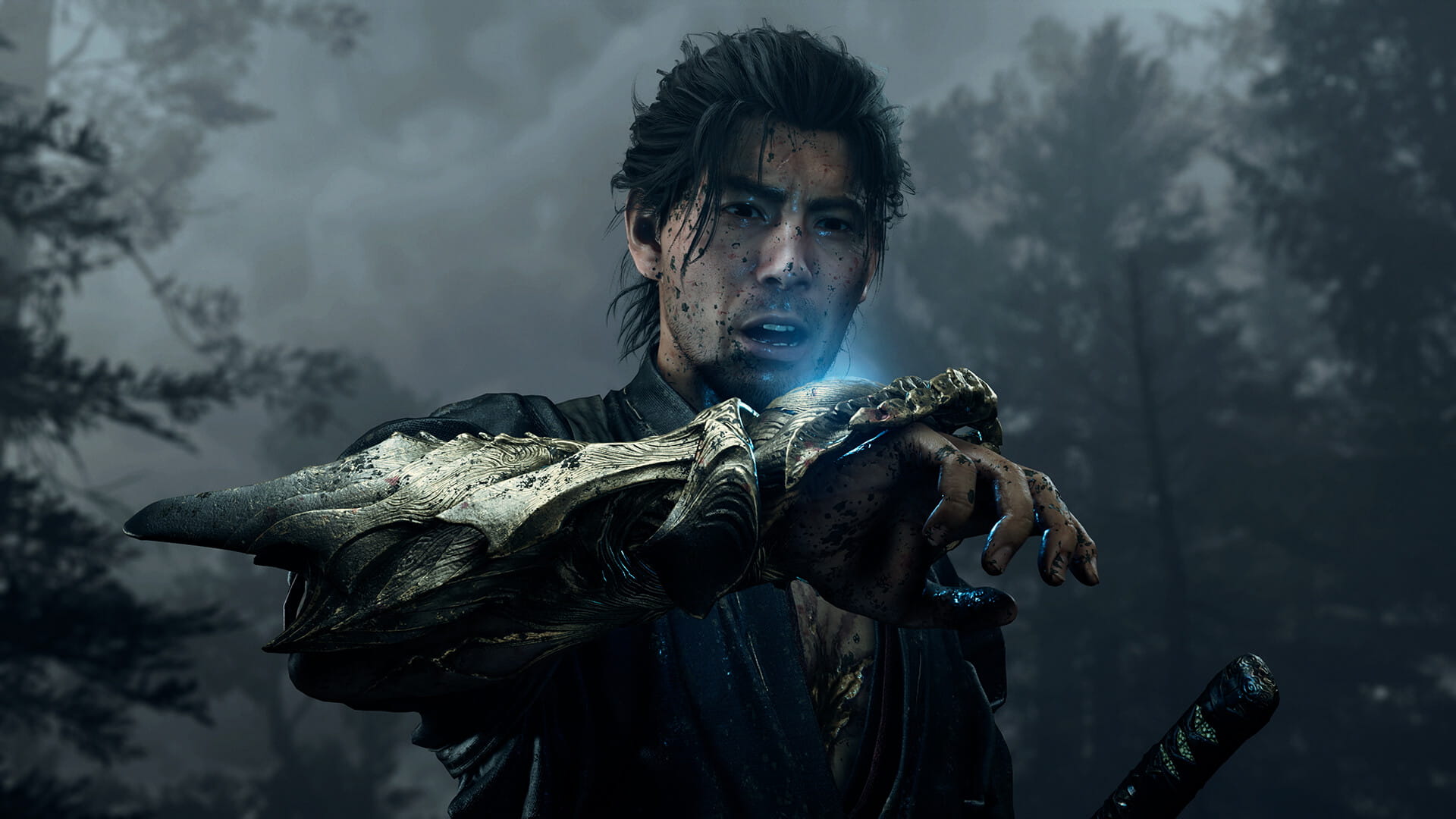
Onimusha: Way of the Sword PS5 Review. When the samurai action adventure is in vogue, you cannot leave out the Onimusha franchise. After twenty years of gestation, Capcom has revived their blood-slicking and demon-decapitating action adventure franchise courtesy of Way of the Sword, priming the series for another round to remind the pretenders there’s a veteran sword master ready to slice their heads off and vivisect their inferior sternums to take back its venerable crown. Is Way of the Sword’s swinging technique capable of cerebral and calculated evisceration, or does its blade need sharpening?
Onimusha: Way of the Sword Review (PS5) – Bladed For Glory
For Onimusha’s return we embody the role of Miyamoto Musashi, a legendary swordsman and winner of sixty-two duels in the early Edo period of Japan. In Way of the Sword, Musashi’s modus operandi is to eradicate a torrent of evil called The Malice, a scourge responsible for turning Kyoto’s peaceful denizens into demonic Genma cretins. Environmental contortions like roping vines and blood-misted fog caused by The Malice choke the vitality of the land, and Musashi will come face-to-face with a bevy of oversized beasts on his quest to restore Kyoto’s peace and tranquillity.
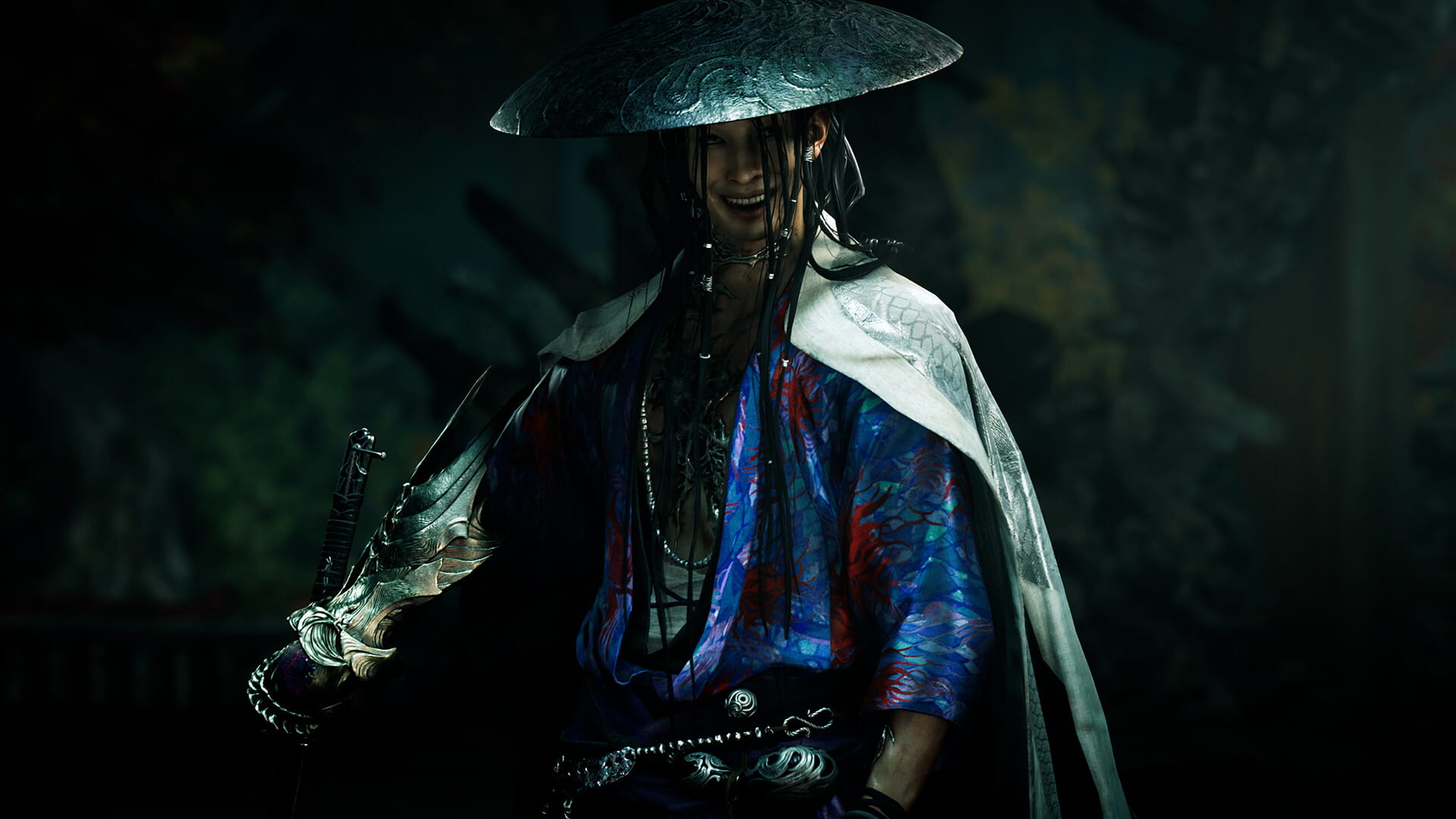
The premise follows the familiar lines of previous Onimusha titles, and while there isn’t a whole lot that jumps out as surprising here, Way of the Sword is still very capable of drawing you forward as you try to cleanse a tainted Kyoto. For example, the Oni Gauntlet is a source of contention in Way of the Sword because Musashi would rather utilize his core natural strength, rather than gain support from a device on his wrist. Furthermore, Musashi rubs elbows with icons of the Edo period, including the famous entertainer and dancer Izumo No Okuni, and renowned poet Ono No Takamura, who too owns an Oni Gauntlet.
Musashi himself is a strong-willed and unshakable warrior with piercing sword-blade precision, which can at times be as sharp and stabbing as his wit. At one point he nonchalantly reacts to sprays of life-draining malice mist and contorting rifts as some off-handed gardening chore. Musashi isn’t a Nathan Drake-mimicking charmer, but he isn’t short of some modest slyness and cockiness from time to time. When you’re as imbued with power as Musushi, you reserve the indulgence to be a tad cheeky.
Sword And Oni Sorcery
Way of the Sword prides itself on nuance and steely precision, but it’s definitely not a Soulslike, playing instead like a stern and stiff balance between a demanding samurai sword-swinger and an inviting one, where you can vivisect and slice limbs clean off with a satisfying badass-level exactness.
Way of the Sword contains two distinct difficulty settings. The first is action-focused, where the emphasis is on challenge and learning how to extract the most out of the combat system. The other is a story-focused mode, where the difficulty is toned down, allowing you to aptly enjoy the game’s story. Don’t be mistaken though, you cannot cheese nor convince yourself you can win boss battles by brainlessly button-mashing because Way of the Sword will make you pay for being overly careless. It always pays to learn the techniques and timing required to master the combat system.
The combat in Way of the Sword is rife with techniques and flourishes, featuring plenty of depth so that you can feel like the legendary swordsman Musashi is. Many tutorials will pop up informing you of ways to get the most out of the Oni Gauntlet, as well as incentivizing you to master your craft with each and every skill you learn, so you can improve your prowess against the Genma scourge.
A Very Well-Sliced Action Adventure
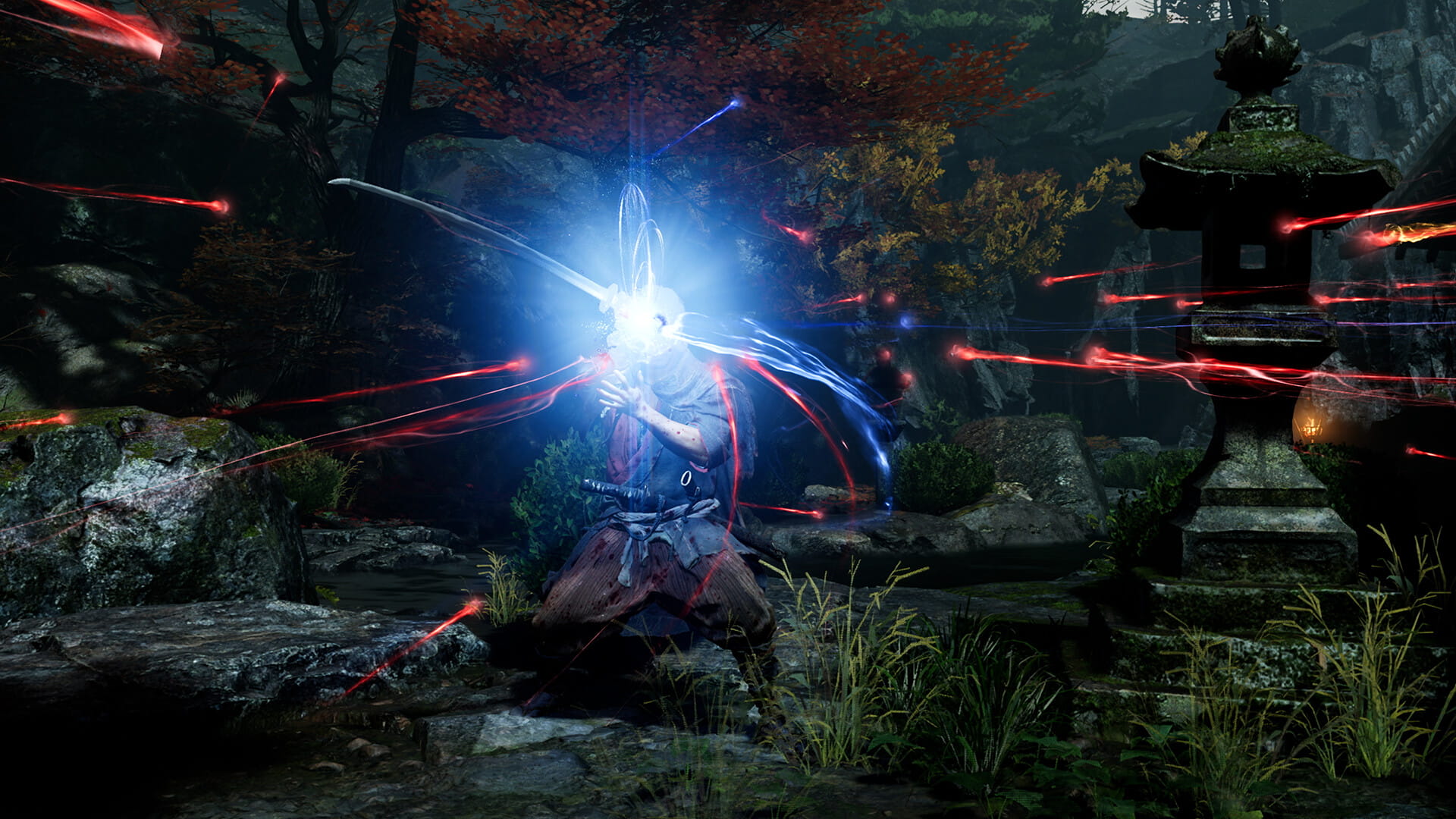
The gratifying lethality of separating demon top halves from their bottom halves cannot be understated. Be ready for copious smacks of satisfaction pressing across your maw as you slay the malicious malevolence who dare cross your path. Every penetration of an enemy’s torso and every cleave of their mutated flesh is a momentous moment of awesomeness, each vanquish will make you feel like you’re an ultra demon slayer, and you might even ask Ghost of Tsushima to eat its heart out.
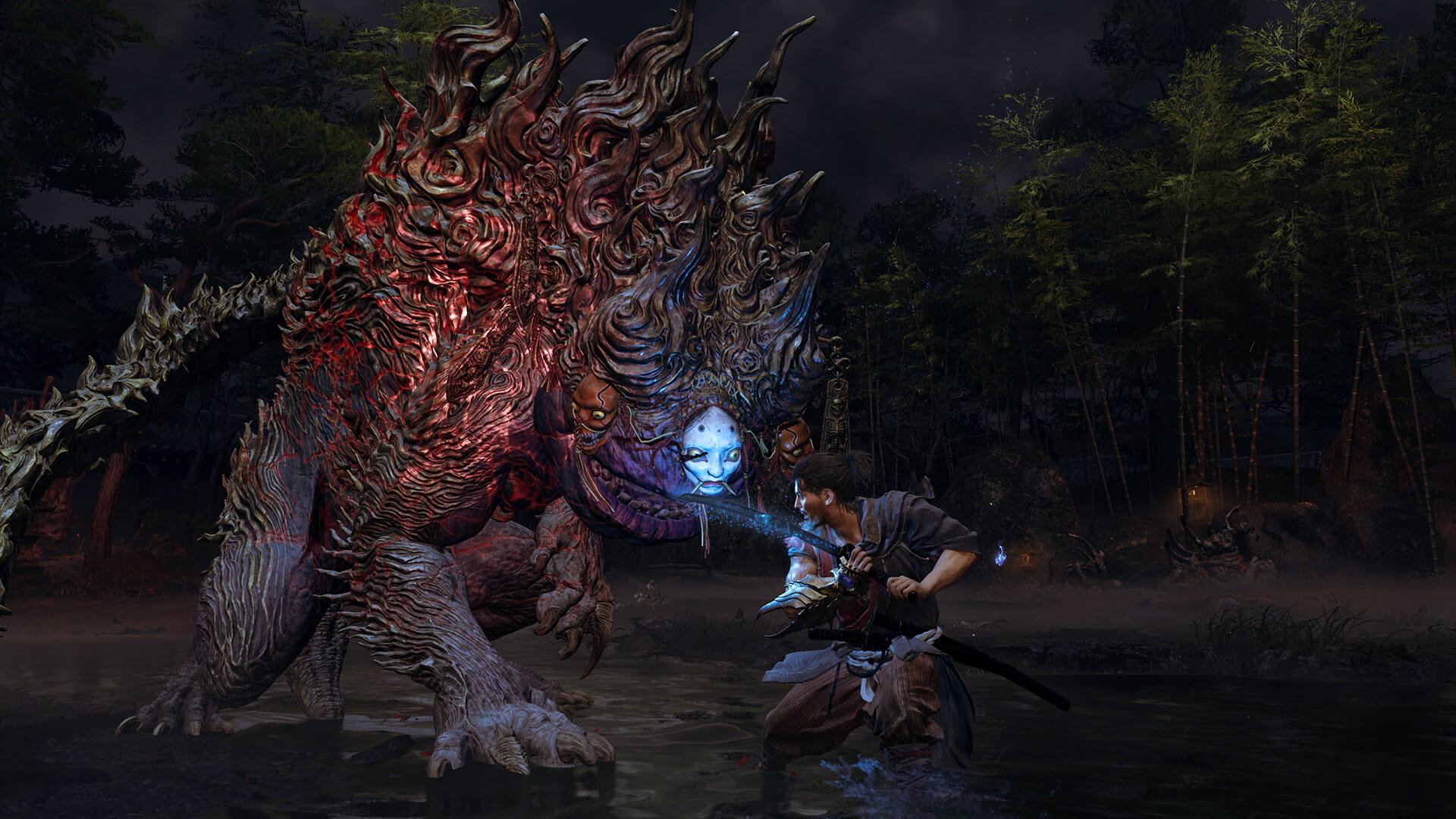
Way of the Sword constantly allows players to revel in every slaughter, whether you’re decapitating a loner, or cutting down multiple foes with blinding speed in one devastating and outrageously epic combo. Parrying feels sensational when you execute the right timing, opening the way for swift and brutal counters capable of bringing leviathan skin-quivering bosses down to their knees so you can deliver a flurry of organ-splitting attacks that’ll deal massive damage.
If you fancy a ranged alternative, Musashi has access to an Oni Bow, which is great for not only taking out demons from a distance and popping them from their perches, but the bow proves very useful during boss fights when countering their attacks, as well as solving environmental puzzles so you can move forwards. It’s a great counterpart to the sword and well-worth using, especially when it is imbued with enhancements.
Will You Parry Me?
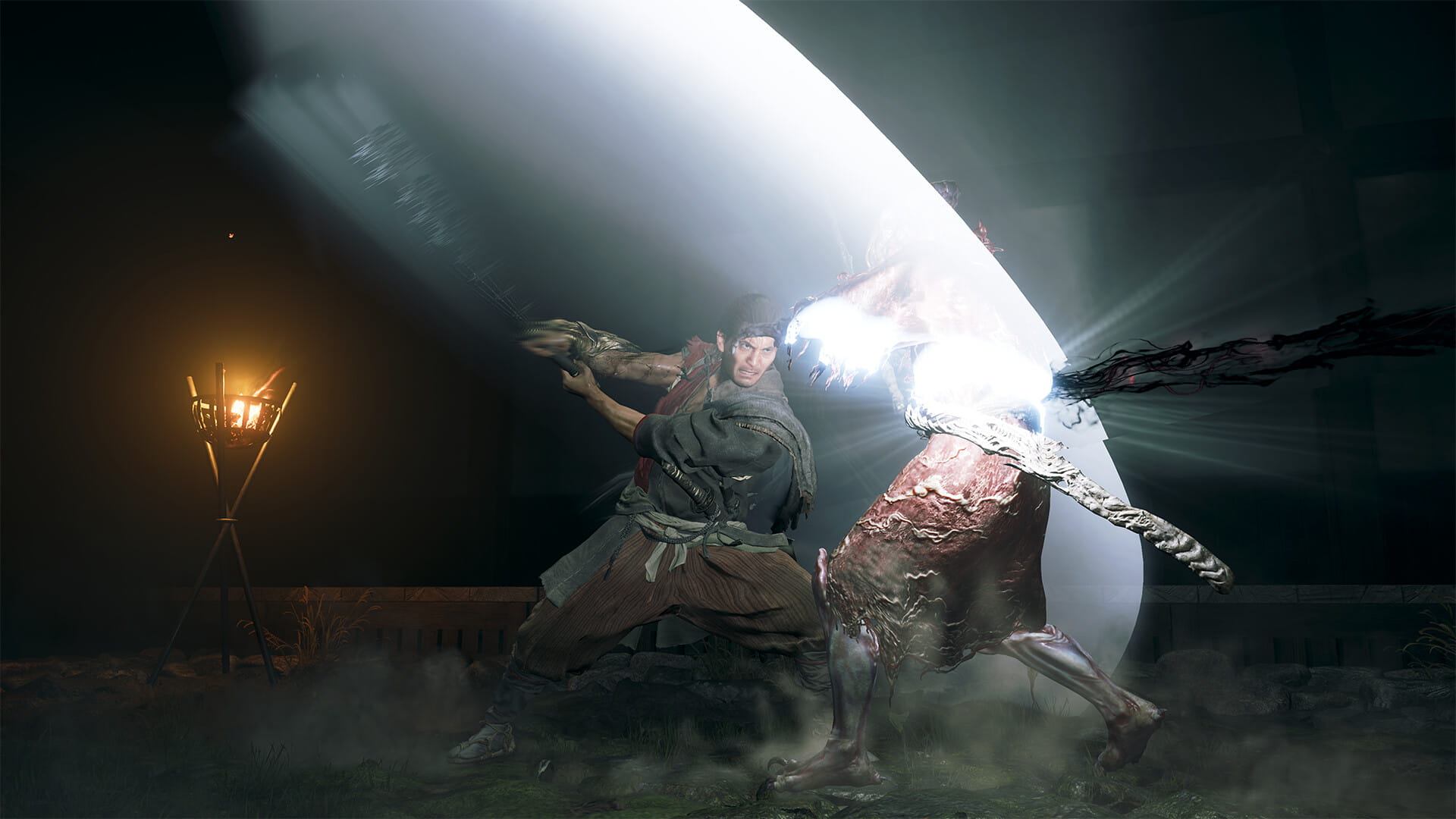
Put simply, the combat mechanics are utterly delicious. The fact Way of the Sword takes the banal parry mechanic every samurai-style action game uses these days, and turns it into a ferocious form of payback is unendingly superlative. Way of the Sword revitalizes the parry into a fold as monumental and all-encompassing as this samurai game’s very essence-and it’s a very strong essence!
On top of parrying, there are counterattacks known as Issen and Break Issen. These reward precise timing and parrying to expose and force enemies into a state of vulnerability, opening them up for furious finishers. The difference between Issen and Break Issen is nestled within their difficulty. Regular Issen requires strict pinpoint precision, while Break Issen allows you to deliver savage blows in a quicker way once you’ve depleted enemy stamina gauges. Like with every aspect of Onimusha, Issen and Break Issen represent the balance and the permeating theme of accessibility towards any player and how they want to dish out brutality.
The Skills That Kills
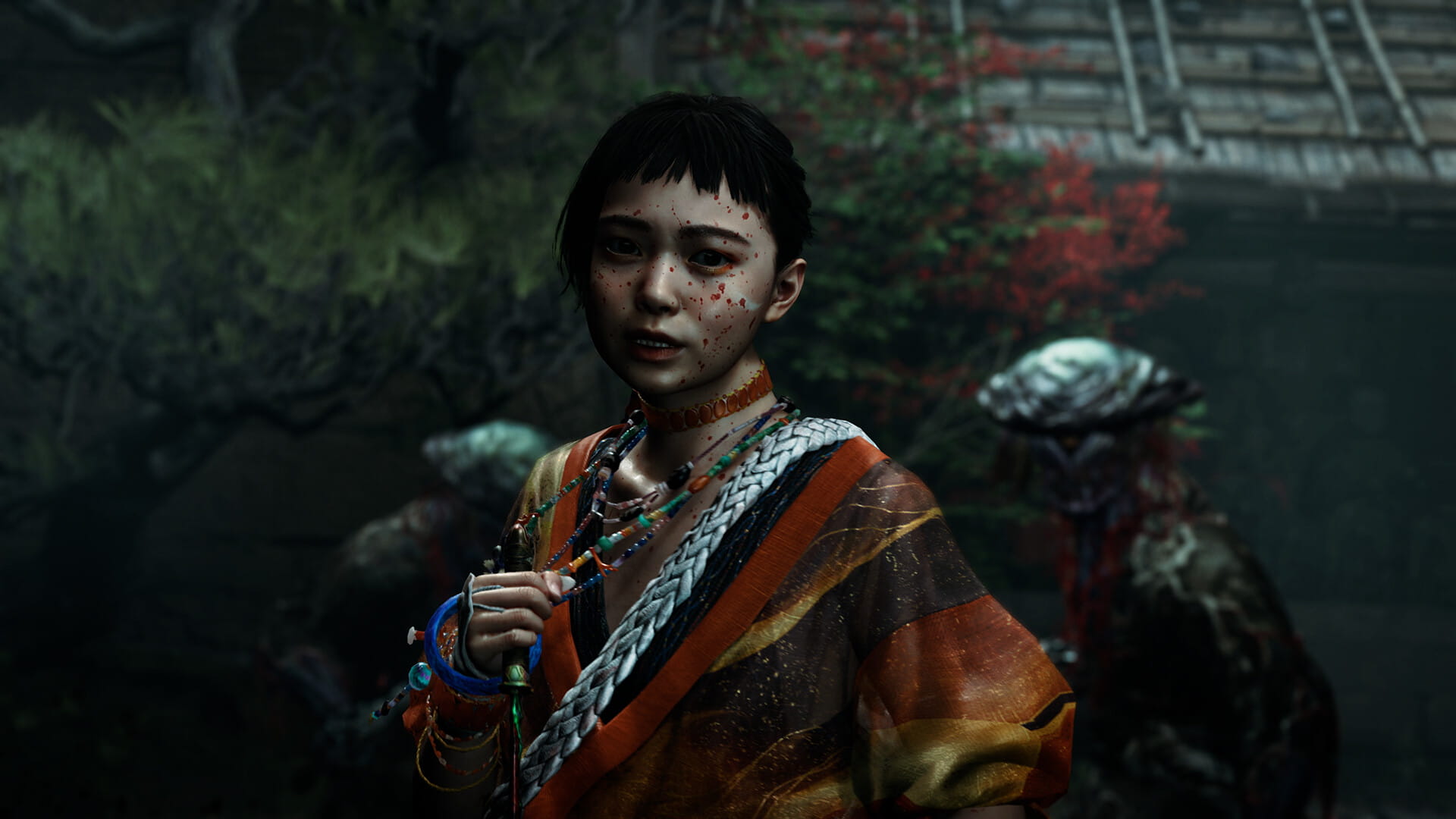
Utilizing the Oni Gauntlet proves very useful despite Musashi’s disdain for it. By collecting souls that spill out of foes once slain, Musashi can regain vitality and stamina courtesy of the golden and red souls, but he can also collect blue souls which can improve The Oni Gauntlet. Tremendous augmentations like Oni Vision, Oni Agility, Oni Strength and Oni Awakening bolster Musashi’s core attributes to demigod levels, as he can become more nimble, invulnerable, formidable and aware of the environment around him in a far greater way than he would without his multi-purpose wrist accessory. He can even use temporary specialized armaments to overwhelm and obliterate enemies in new and visually stunning ways. Wind whippers, celestials and maces are examples of these new magically imbued armaments, transforming the Genma slaying in visceral new ways.
Skill acquisition and acclimation are handled excellently too. While it is always daunting to see a skill tree with many unlocks, every new ability you learn in Way of the Sword feels significant enough to be worth the investment, which is something you can’t say about many skill trees in modern gaming. Whereas other games with upgrade systems offer incremental improvements, Way of the Sword ensures every new enhancement is worth purchasing.
No matter how much Musashi may winge about it, the Oni Gauntlet is most definitely a handy and essential tool to enhance his ever-ascending power, providing numerous buffs and benefits that are as outstanding as every layer of this fantastic return for Onimusha.
Bleeding With Malice Intent
Musashi’s objective in Way of the Sword is to restore Kyoto to her old glory, and to do this he needs to eradicate the malice suffocating her beauty and radiance. Missions involve repelling this taint by finding bulging membranes jutting out of the environment and ripping apart rifts that drop out groups of demonic evil-doers. Using Oni Vision becomes a necessity as you’ll need to find where the membranes are in order to cut down the strangling crimson vines impeding your path forward.
Clearing and thus liberating areas of Malice is enjoyable, especially for exercising the fantastic combat abilities. However, the missions you undertake can devolve into chores and while that’s perfectly fine and falls within the service of the story, you may find there’s a bit too much rinse-and-repeat going on as you handle your affairs. Kyoto too doesn’t feel all that different to a myriad of similar settings in games set around the Edo time period, so it can be a bit too deja vu.
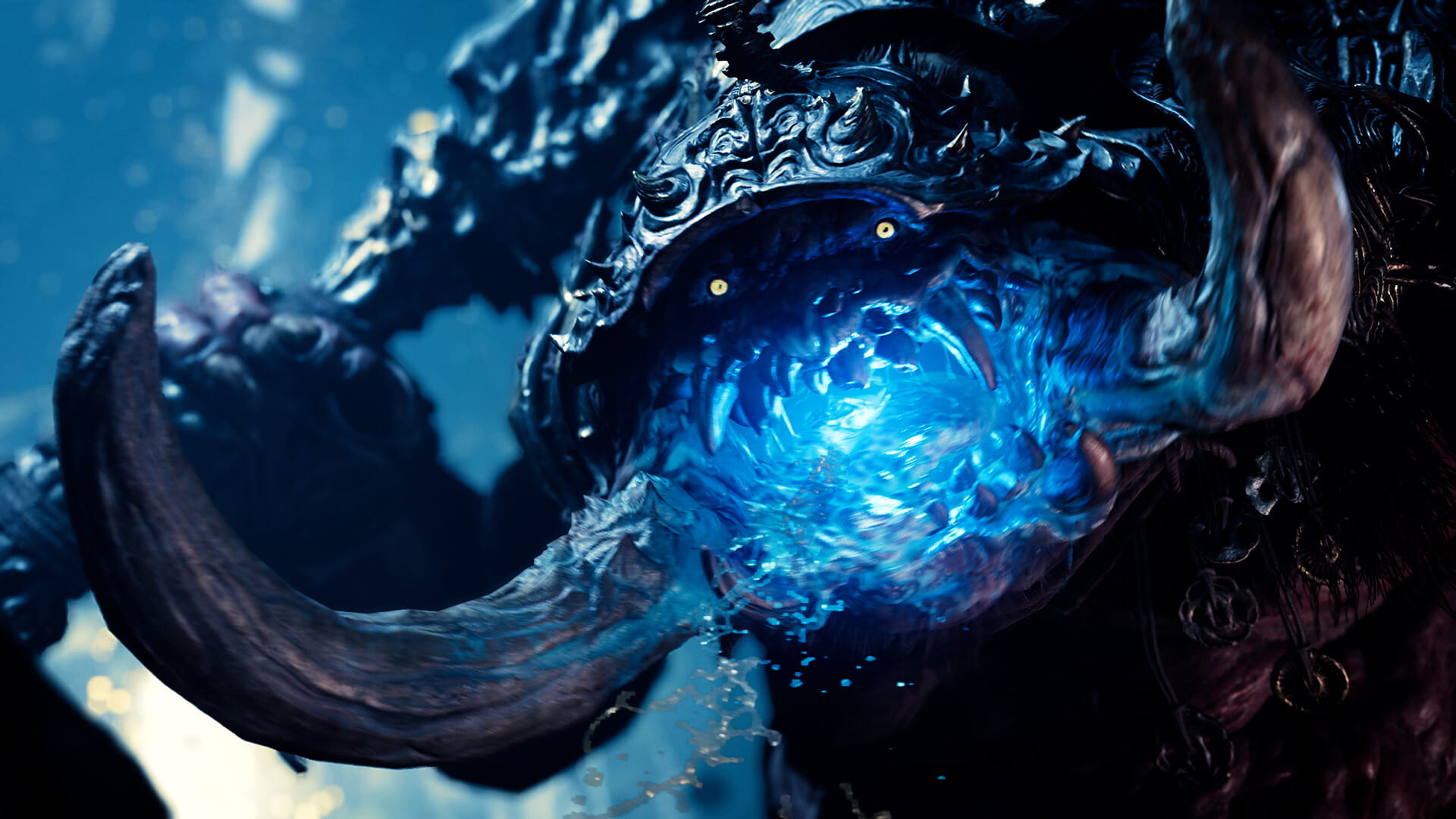
Every now and then you’ll encounter huge bosses with long health and stamina gauges. These bosses are seismic and you’ll have to assert a deft grasp on the mechanics as well as timing and countering sweeping barrages to gain the upper hand. Countering bosses feels immensely satisfying, and you’ll definitely feel an immeasurable sense of almightiness as you blaze through your gargantuan competition and turn back their onslaughts with aplomb.
Engaging with the citizens of Kyoto yields intriguing results. If you save innocents, you’ll receive a token of gratitude in terms of raw materials to upgrade your armaments. As you dash through the narrow pathways of Kyoto, you’ll encounter figures who will want you to fulfill a task, such as a monk who suggests you visit an important location in a way unbecoming of a monk. Side missions are generally temporary diversions that give you something extra, but aren’t very memorable and won’t convince you to branch out and away from the main mission path.
Edo Japan Is The Plan
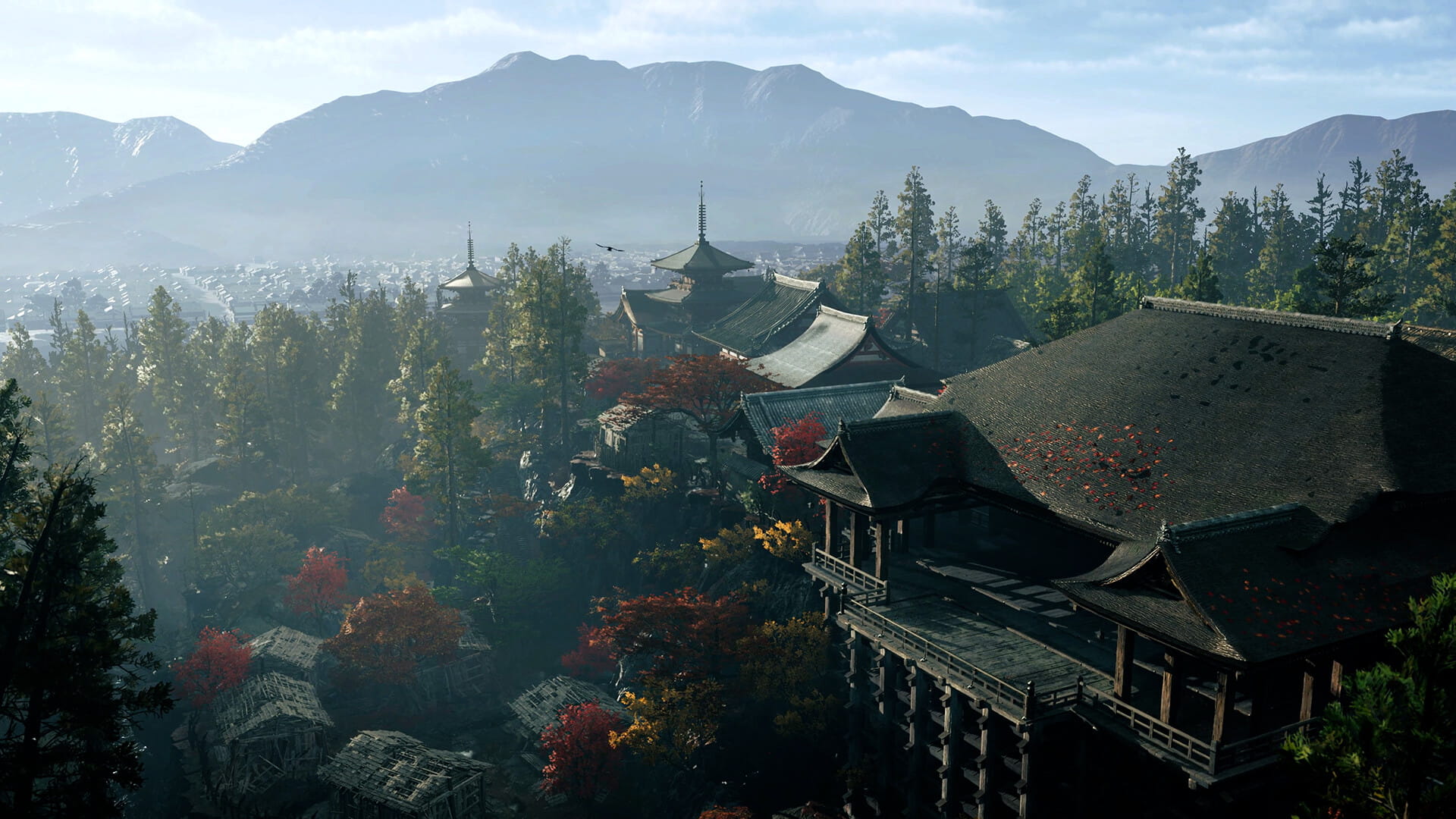
From a presentational standpoint, Way of the Sword looks and sounds excellent in a way that is able to deviate from the sleekness of its contemporaries but manages to impress in new and unexpected ways. Kyoto is visually quaint and ramshackled with disrepair matching the very serious threat emanating from The Scourge. Piles of furniture detritus and enclosed areas give off unsafe vibes, which are made all the more foreboding when dealing with the rivers of red mist that need to be cleansed by Musashi.
Temples and markets aren’t particularly outstanding and aren’t too distinguishable from other games set in ancient Japan, yet liberating them and stepping inside them for grand boss battles does heighten the immersion.
As for the sound design, it’s very faithful to the auras of Edo Japan, containing a selection of tunes reinforcing the danger, tranquility and harmony of Kyoto and the notes and strides of Way of the Sword’s story. Likewise, the sound design bleeds with the titular Onimusha stylings with sword strikes sounding as gruesome and disgustingly gratifying as they look. The voice acting is splendid if modest, and the script is sharp and on-point like Musashi’s blade.
If you’re waiting for the next big samurai action adventure, then Onimusha Way of the Sword should be exactly what you’re looking for. The combat system and its depth will tempt you to keep honing and mastering your weaponized craft, and there are many satisfying challenges that’ll keep your sword sharpened as you carve your way through its sizable runtime. The return of Onimusha is slick and exciting, and Way of the Sword delivers on the twenty-year wait in a fashion few other game franchises can. The very identity of Onimusha is back in full force, so it’s time to wipe the grit from your blade and assume the role of a legendary sword savant, comforted in the knowledge that you’re in store for a spellbinding and endlessly rewarding samurai action adventure opus.
Onimusha: Way of the Sword is available on September 4th 2026 for PS5, Xbox Series S/X, Nintendo Switch 2 and PC.
The review copy was generously provided by the publisher.