On the basketball court, shots and speed represent only part of the gameplay. Basketball demands players who master muscle power, balance, reaction speed, and maximum force potential. Power has become the deciding factor that distinguishes thin shooters from powerful athletes like Giannis Antetokounmpo. A growing physique does not necessarily produce better results. The essential components of basketball courts require identification.
The Role of Strength in Modern Basketball
The complete necessity of strength now shapes the path of professional athletes in their careers. A professional athlete uses this combination of toughness, battles for space, and explosive movements. The physical endurance of players determines the basketball odds experts’ adjustments in team performance expectations. The highest level of talent becomes ineffective without adequate strength during high-pressure performance.
Look at LeBron James. His physical stature functions beyond visual appeal, since it protects against tactical confrontations. Steph Curry made his body endure repetitive physical banging on the court as he moved through defensive screens. In present times, strength determines which player remains on top and which ends at the bottom.
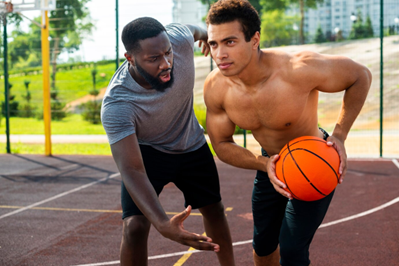
How Muscle Mass Impacts Agility and Speed
Due to their muscle quantities, a player’s movement speed will either improve or suffer. The final performance depends on muscle selection, its placement in the body, and specific training methods.
- People with explosive muscle fibers achieve faster takeoffs, which enable quick cuts and jumps.
- Speed and agility suffer when the body carries excess muscle mass, as weak joint liaisons occur during movements.
- Lean muscle tissue protects the knees, ankles, and hips and keeps them balanced during sprinting.
- The excessive development of chest and shoulder muscles creates a bad situation because it disrupts balance while moving.
Balance matters more than bulk.
Functional vs. Aesthetic Muscle
All kinds of muscles differ in their properties. Function beats look. Functional strength development in athletes enables them to meet gaming requirements better, so any online betting site monitors athlete conditioning before updating odds. When trained properly, a body develops beyond essential strength attributes. The system moves quickly and provides excellent flexibility and speed during vital moments.
Sport-Specific Strength Training
The benchmark for strength development in this sport consists of learning to produce fast power bursts for jumping vertically while sprinting laterally with forceful stops and quick direction changes. Basketball requires powerful, direct movements that require core strength, firm glutes, and balanced legs more than powerful upper-body muscles can provide.
Trainers who work with elite athletes train them through point-specific basketball scenarios. People who perform deadlift exercises gain the ability to compete effectively with strong competitors. The movements performed during Bulgarian split squats duplicate the initial movements in athletic starts. Users can train their body stability with quick directional adjustments when using resistance bands. Functional training takes the lead over basketball because it delivers preparedness against game chaos.
Bodybuilding vs. Athletic Performance
Athletes engage their muscles as integrated units, unlike bodybuilders performing one muscle at a time. That’s the core difference. Bodybuilding creates symmetrical bulk for aesthetic purposes, while this mass frequently inhibits the normal range of motion. When playing basketball rapidly, the butted movements shorten your transition speed and boost oxygen consumption rates.
Athletes in basketball need to shift their bodies at unpredictable moments. Traditional bodybuilding training approaches develop muscles that create joint immobilization, reduce reaction speed, and increase fatigue. Dynamism defines athletic strength because it requires both coordination and endurance to succeed. Players only need to demonstrate their playing strength rather than present a physical appearance to be strong. Predatory movement suits your game better than static poses.
Injury Prevention Through Targeted Strength Work
Injuries occur because improper techniques and excessive repetition join weak points. To prevent injury, tendon reinforcement, joint stability, and muscle balance correction are beneficial. The NBA incurs losses exceeding $300 million yearly because of player injuries. The strength of the glutes and hamstrings combined could prevent most ACL tears from occurring.
Current strength training regimens assess natural ankle movements to identify early hip rotations and measure shoulder strain under pressure. The entire set and repetition sequence exists to establish safeguards for the body. Players implement strength training to reduce injury chances during their explosive activities. These programs focus on longevity above all else, although muscle mass development is not entirely disregarded.
So, Does Size Matter in the End?
Athletic performance becomes crucial in basketball, not an athlete’s physical size. Muscle mass holds no relevance to the court. The athletic court selects competitors based on their ability to move quickly and power output, while granting benefits to those with good recovery times and precise timing mechanisms. Athletes who construct their strength properly will be victorious in the game.