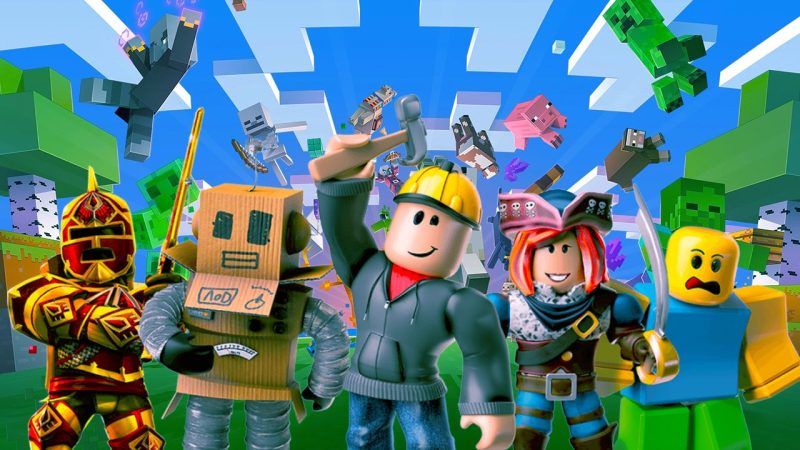
War Tycoon hasn’t had a real content update in months. It’s been running since January 29, 2020, and by July 22, 2026 it had racked up 934.9 million visits, according to code-tracking site Game.guide. Then on July 23, its developer KizmoTek Studio teased a new code for hitting one million likes, and asked players to go share the game with friends first.
That’s the whole trick. Not a comeback, not a relaunch, just a number to hit and a reward waiting on the other side of it. Small studios have figured out that a well-timed code does something free advertising can’t: it gets a specific group of people to open the game again, on a specific day, for a reason that has nothing to do with new content.
What Actually Counts as a “Dead” Roblox Game Right Now?
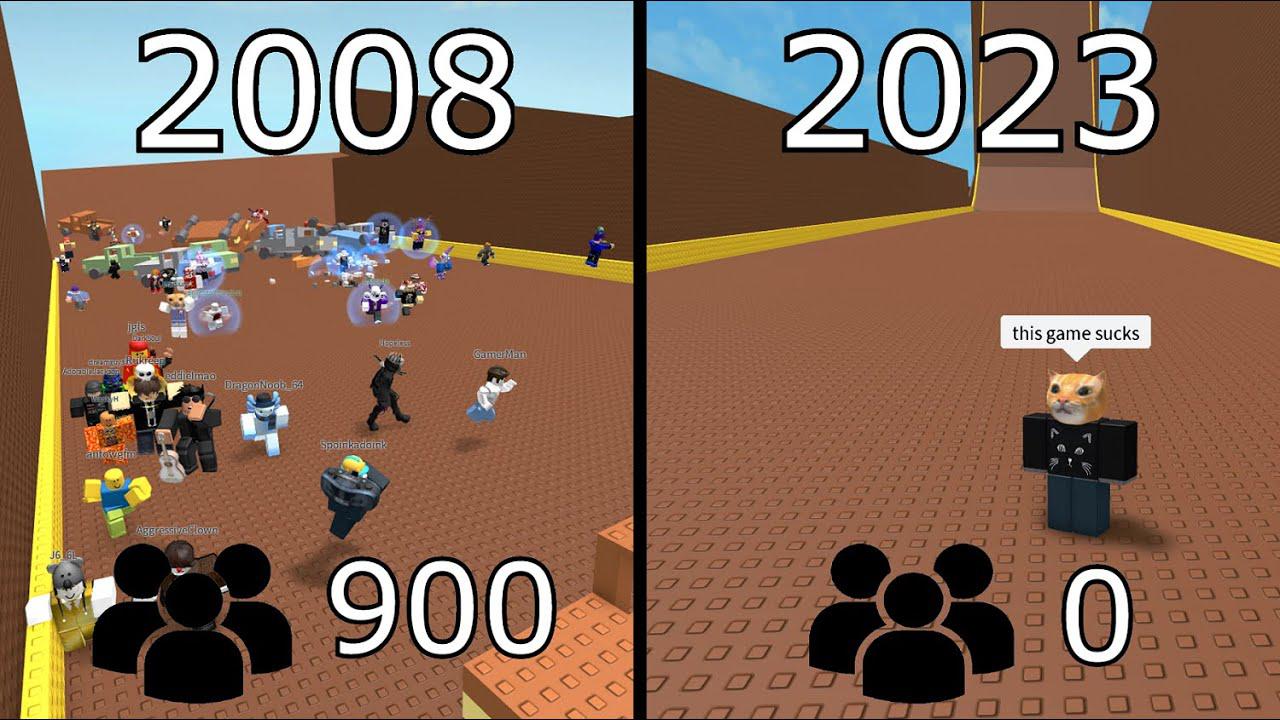
On the DevForum, a developer posting under the name Boomy described the exact pattern back in August 2023: a game that was “still afloat” starts losing players for no obvious reason, ads only bring people back for a day or two, and nothing sticks. Two years later the same complaint shows up almost weekly. One post from February 2025 described a tycoon-style game called Build A Civilization that peaked at over 500 concurrent players and 20,000 daily revenue, then sank to around 50 concurrent with no advertising change at all.
That gap between a spike and a slow bleed is what devs are actually trying to patch with codes. Concurrent player count and average session length are two of the clearest signals Roblox’s systems watch, and both drop fast once a game falls out of the daily rotation players see on their homepage.
Why Tie Codes to Likes and Visits Instead of a Calendar Date?
A dated code (say, one that expires December 25) rewards whoever happens to already be playing. A milestone code rewards the act of pushing the counter forward. Roblox Rivals runs on a FREE[number] system that only advances once the game’s like board crosses another 50,000, and its wiki even documents a joke code, ELBILLUG, that reads “gullible” backwards and became a running bit among players who kept refreshing for the next unlock. War Tycoon’s own wiki lists the same setup: codes tied to crossing a billion visits or 200,000 likes rather than a fixed calendar.
If you scroll through any running tracker of roblox game codes 2026 players are actively hunting for, the pattern is obvious once you know to look for it: half the entries aren’t tied to a date at all, they’re tied to a counter that only moves if people keep showing up and liking the page.
How Does This Line Up With Roblox’s Own Discovery Changes?
This isn’t a coincidence developers stumbled into by accident, it lines up with how Roblox itself now scores games. In a June 15, 2026 newsroom post, Chief Growth Officer John Ciancutti confirmed that the Recommended For You algorithm was expanding from a 7-day view of player behavior to a full 28-day window, splitting signals across day 1, days 2 through 7, and days 8 through 28 to separate genuine long-term retention from games that just win a quick click. Roblox reported 132 million daily active users in Q1 2026 and said the update already increased engagement across the platform during testing.
A milestone code doesn’t fix retention on its own, but it does something adjacent: it manufactures a reason for lapsed players to come back inside that same 28-day window, which is exactly the behavior the newer scoring rewards. A separate breakdown from Roblox-algorithm tracker BLOXG lists a like-to-dislike ratio above roughly 70% and healthy day-1/day-7 return rates among the clearest ranking factors, both of which a well-timed code can nudge in the right direction, at least temporarily.
Does Redeeming an Old Code Actually Save the Game?
Not by itself. The Roblox Rivals wiki notes that real milestone codes have used celebration-style names like 5B_VISITS_WHATTTTTT and TEN_BILLION_VISITS_OMG rather than a strict numbered sequence, which tells you these were treated as community events, not routine content drops. That’s the honest limit of the trick: it buys a weekend of extra concurrent players and a like-ratio bump, not a second life.
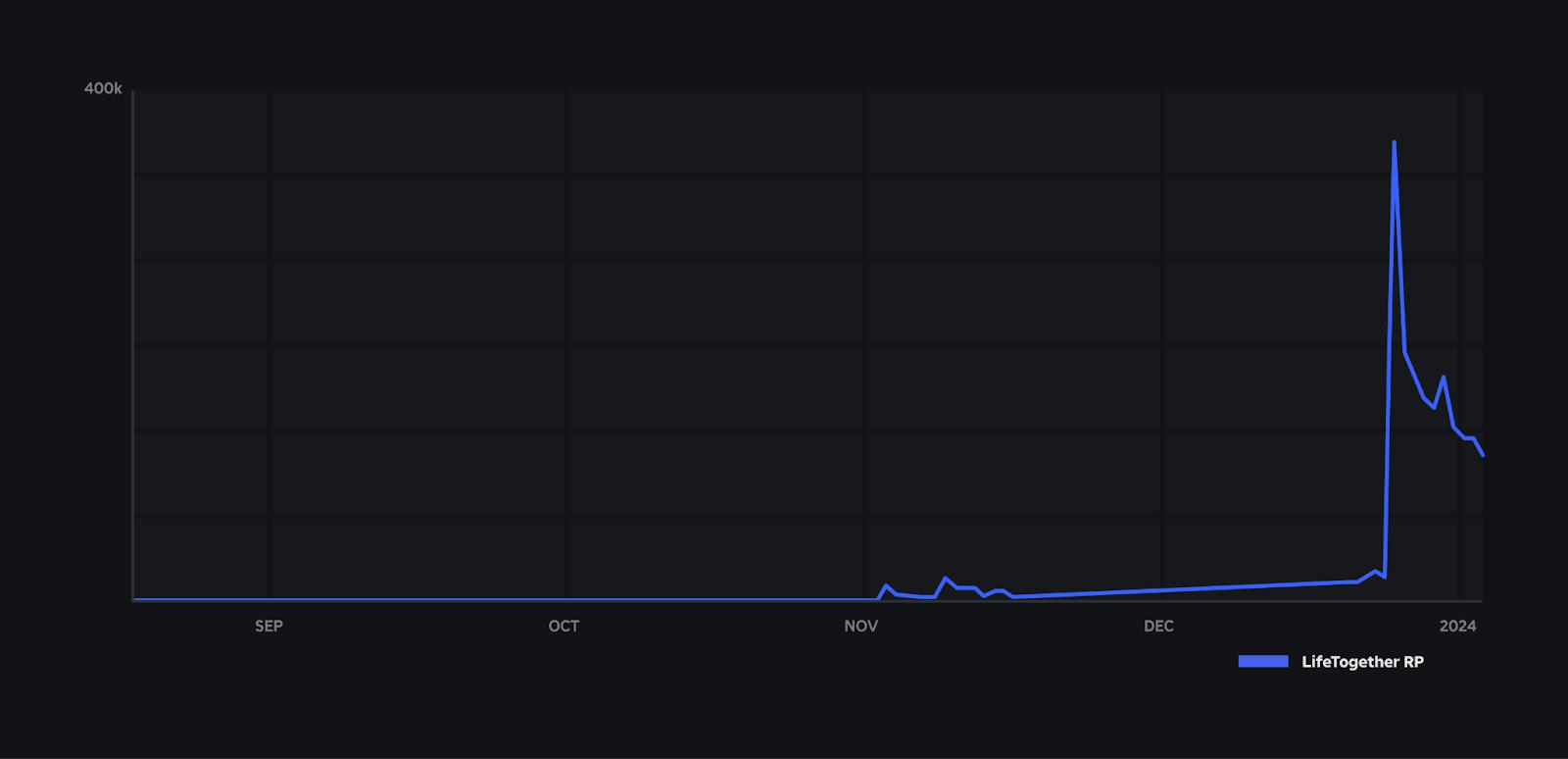
I pulled the visit counter on a few of these tycoon and survival games myself after a milestone code dropped, and the concurrent-player number does jump, usually within hours, then drifts back down over the following week unless something else changes. The code gets people through the door. It doesn’t give them a reason to stay once they’re inside.
What This Means If You’re Just Chasing the Rewards
None of this makes the codes fake or the rewards not worth grabbing. It just means the timing isn’t random, and treating a code drop as a sign a dead game is “back” is usually reading too much into it. If a studio only ever posts codes tied to like counts, that’s a studio managing a discovery algorithm, not necessarily one still actively building the game.