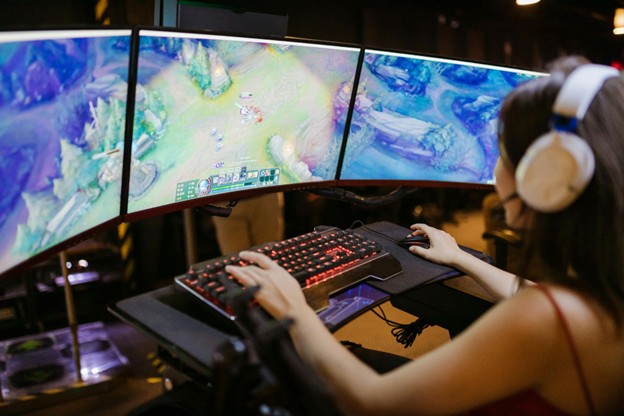
In recent years, digital entertainment has undergone a transformative shift. No longer confined to traditional media, the world of gaming, streaming, and online interaction has evolved into a dynamic ecosystem. From cinematic AAA video games to real-time content creation and decentralized digital economies, the entertainment industry is experiencing a digital renaissance.
In this article, we’ll explore the major developments fueling this revolution — particularly in the gaming sector — while also examining the rise of alternative entertainment platforms like online crypto casinos.
The Rise of Immersive Gaming Experiences
Gaming has grown from a niche pastime to a cultural phenomenon. With advancements in graphics, AI, and game design, titles like The Last of Us Part II, Elden Ring, and Cyberpunk 2077 offer sprawling narratives and lifelike environments that rival blockbuster films.
A large part of this shift is driven by the power of next-generation consoles and PCs. The PlayStation 5 and Xbox Series X have delivered breathtaking visuals, minimal loading times, and expanded possibilities for multiplayer and cross-platform experiences. Moreover, the adoption of ray tracing and 4K resolution ensures that gamers are immersed in detailed, dynamic worlds.
But it’s not just the hardware that’s changing the landscape. Developers are increasingly embracing open-world concepts, allowing players to explore virtual realms with unprecedented freedom. The trend of player-driven storytelling, as seen in games like Red Dead Redemption 2, ensures no two gaming experiences are exactly the same.
The Rise of Streaming Platforms and Content Creators
Streaming has become an integral part of how people consume entertainment. Platforms like Twitch, YouTube Gaming, and Kick have empowered gamers to share their experiences in real time, building vast communities around shared interests.
Streaming is no longer just about playing games — it’s about creating content, building a brand, and engaging audiences across the globe. Influencers and streamers have become household names, often rivaling traditional celebrities in popularity. With sponsorship deals, merchandise sales, and dedicated fanbases, successful streamers are carving out lucrative careers.
The interactive nature of streaming — chat engagement, viewer polls, live Q&A — makes the experience more social and immersive. As a result, even non-gamers are drawn into the culture, tuning in for entertainment, education, or simply to feel part of a digital community.
Online Crypto Casinos: Merging Blockchain and Entertainment
Amid these transformations, the rise of decentralized entertainment is adding a new layer to the digital landscape — particularly in online gambling. One of the most notable trends is the emergence of online crypto casinos. These platforms leverage blockchain technology to offer secure, anonymous, and fast gaming experiences. By accepting cryptocurrencies like Bitcoin, Ethereum, and USDT, these casinos eliminate many of the limitations associated with traditional gambling platforms, including slow withdrawal times and geographic restrictions. With provably fair games and smart contract-based mechanics, crypto casinos are reshaping the way players interact with online gaming — blending finance, technology, and entertainment in real-time.
Virtual Reality and the Future of Gaming
Virtual reality (VR) and augmented reality (AR) technologies are taking immersion to the next level. With devices like the Meta Quest 3 and PlayStation VR2, players can physically engage with their digital environments, whether that’s dodging enemy attacks, solving puzzles, or sculpting virtual art.
These innovations are pushing boundaries across multiple genres. Horror games in VR offer spine-chilling realism, while rhythm games like Beat Saber offer both entertainment and exercise. Meanwhile, AR mobile games like Pokémon GO blend the real world with digital adventures.
As the cost of VR equipment becomes more accessible and developers fine-tune their offerings, VR is poised to become a mainstay in households around the world.
Cloud Gaming: Accessibility Without Limits
Cloud gaming is redefining how and where people play. Services like PlayStation Plus Premium, Xbox Cloud Gaming, and NVIDIA GeForce Now allow players to stream high-end titles directly to their devices — no console required.
This shift toward cloud-based play removes hardware barriers and enables instant access to massive libraries. Gamers can pick up where they left off, whether on a tablet, smartphone, or smart TV. For casual players and those with limited hardware budgets, cloud gaming opens up a world of possibilities.
Moreover, cloud gaming complements the trend of subscription-based services. Much like Netflix changed how we watch films, platforms like Game Pass and PS Plus are changing how we play games — with new titles added monthly and minimal upfront costs.
eSports and Competitive Gaming
What began as casual tournaments has grown into a billion-dollar industry. eSports now includes professional leagues, massive sponsorships, and global championships watched by millions. Games like League of Legends, Counter-Strike 2, and Dota 2 boast player bases in the tens of millions and prize pools that rival traditional sports events.
Colleges and universities are even offering eSports scholarships, acknowledging the competitive and strategic skill involved in professional gaming. Stadiums fill up for live matches, while online streams capture global audiences. It’s a testament to how seriously gaming is taken today — not just as a hobby, but as a viable career and spectator sport.
Digital Collectibles and Gaming Economies
Another trend making waves in the entertainment space is the integration of blockchain technology with in-game economies. Non-fungible tokens (NFTs) and play-to-earn (P2E) mechanics allow players to own, trade, and monetize in-game items.
Games like Illuvium and Star Atlas are pioneering this space, combining stunning gameplay with decentralized finance (DeFi) principles. This model empowers players not just to play but to profit from their engagement — creating entirely new revenue streams.
Critics argue that this model risks commodifying entertainment, but supporters believe it’s a natural evolution of digital ownership. Either way, the line between gaming, investing, and creating is becoming increasingly blurred.
The Power of Community and the Metaverse
Digital entertainment is no longer a solitary experience. Whether it’s in-game voice chat, streaming communities, or metaverse platforms like VRChat and Decentraland, social interaction is central to today’s digital landscape.
The concept of the metaverse — a persistent, shared virtual space — is still in development, but it promises to combine gaming, social media, virtual commerce, and more into a single seamless experience. While we’re still years from a full-scale metaverse, early examples show its potential for events, concerts, virtual real estate, and branded digital products.
Gaming companies and tech giants alike are investing billions in this vision, aiming to build the future of connected entertainment.
Conclusion: A New Era for Digital Entertainment
From cinematic single-player games to decentralized crypto casinos, the world of digital entertainment is undergoing radical change. Technology is no longer just a tool — it’s the medium, the message, and the marketplace. Gamers are creators, spectators are participants, and platforms are worlds of their own.
As innovation continues at breakneck speed, one thing is certain: the boundaries between entertainment, technology, and human connection will only become more fluid. Whether you’re exploring open worlds, tuning into a live stream, or placing a bet on a blockchain-based casino, the future of digital entertainment is here — and it’s more interactive, inclusive, and immersive than ever before.