The PlayStation 5 has already pushed the boundaries of what console gaming can be, but its next frontier may lie beyond traditional genres entirely. With the rapid evolution of PSVR2, social gaming spaces, and metaverse-style worlds, virtual casinos are emerging as one of the most intriguing possibilities for immersive entertainment. These aren’t the static mini-games of past generations—they are dynamic, socially driven environments where players can explore themed lounges, interact with others, and experience casino-inspired gameplay built with cinematic visuals and next-gen technology. As digital worlds become more interconnected and experiential, virtual casinos on PS5 could redefine how players socialize, compete, and relax in the gaming universe
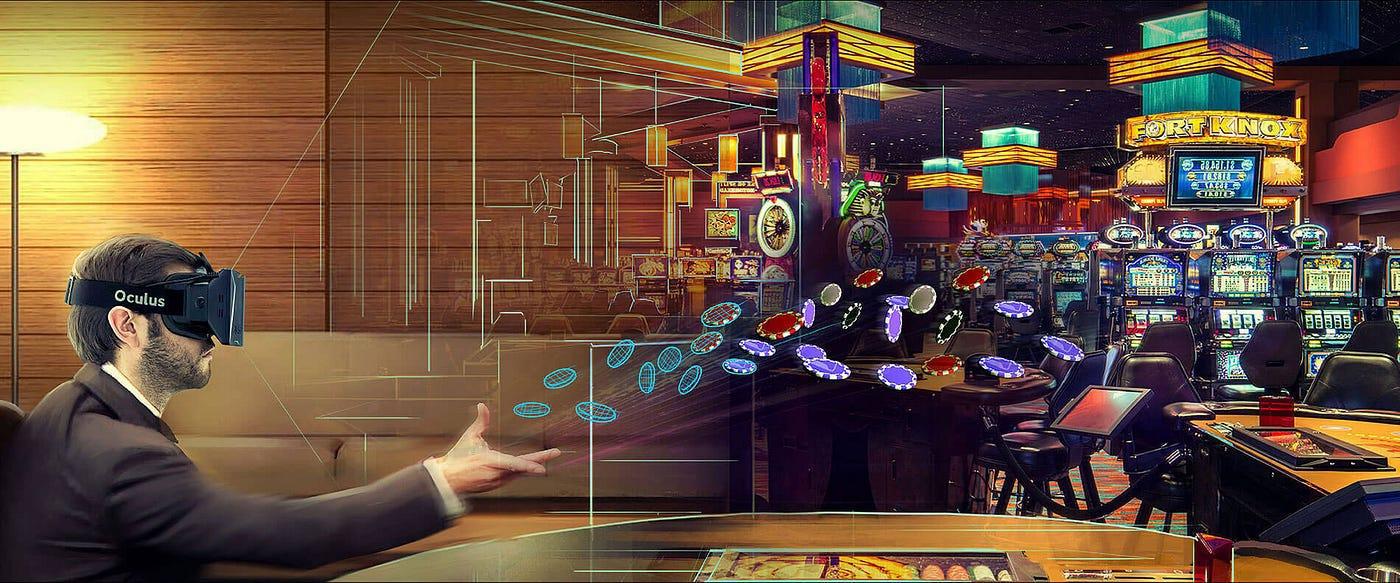
VR Casinos: Immersion That Redefines Gameplay
VR casinos are rapidly becoming one of the most immersive forms of digital entertainment, and even communities that follow gaming trends on platforms like CashCasinoHub have noticed how fast this technology is evolving. On the PS5, especially with PSVR2, the foundation for highly realistic virtual casino experiences is already in place thanks to several verified hardware advantages.
One of the most significant is PSVR2’s 4K HDR OLED display combined with advanced eye-tracking, which allows the headset to render sharper, more responsive environments than any previous PlayStation VR system. When applied to casino-style gameplay, these features make interactions—such as watching the roulette wheel spin or reading the details on virtual cards—feel incredibly lifelike.
Another fully documented strength is 3D spatial audio. This technology recreates authentic casino soundscapes, allowing players to hear chatter, music, and machine sounds from precise directions depending on where they stand. Reviewers consistently highlight this element as a key factor in PSVR2’s immersion, and it becomes especially effective inside bustling virtual venues.
The headset’s inside-out tracking also removes the need for external sensors, enabling fluid hand and body movements. Gestures like placing chips on a table, picking up cards, or interacting with virtual objects feel far more natural because the system tracks real motion in real time. Current VR titles have already demonstrated how this accuracy enhances simulation-based gameplay.
All these verified capabilities combine to make virtual casino environments feel more like interactive social worlds than simple game modes. Players can walk through lounges, chat with others, watch events, or participate in table games—all inside a visually rich, physically responsive setting.
As developers continue to explore PSVR2’s technology, VR casinos on PS5 are poised to become some of the most engaging and immersive social experiences available on console.
Social Hubs: Beyond Gambling—Community, Avatars, and Events
Social hubs inside virtual casino environments are evolving far beyond traditional gambling mechanics, becoming fully interactive spaces where players can connect, communicate, and participate in shared activities. This trend is supported by verified developments in modern multiplayer design, where community engagement and social features are now seen as essential components of long-term live-service ecosystems. In next-generation PS5 and PSVR2 experiences, these hubs blend entertainment, customization, and social interaction into a single, seamless environment.
One of the defining elements of these social hubs is avatar personalization. Verified across numerous games and platforms, players increasingly value the ability to create digital identities that reflect their style—through outfits, animations, badges, or even posture and movement. This customization becomes even more important in VR, where first-person embodiment enhances the sense of presence and individuality.
Another key feature is the introduction of shared events. Developers have already demonstrated—through games like Fortnite, VRChat, and PlayStation’s earlier PlayStation Home—that players actively engage with scheduled concerts, tournaments, seasonal celebrations, and interactive shows. These events are not theoretical; they are a documented driver of community growth. In virtual casino hubs, they can take the form of themed nights, social tournaments, or live-hosted entertainment that encourages players to gather even when they’re not playing any games of chance.
The social aspect also extends to exploration and relaxation. Many players treat these hubs much like digital lounges, where they can chat, watch others play, or simply enjoy stylized environments. Even users who occasionally browse gaming-focused content to explore casino bonuses often emphasize that the appeal of modern virtual casinos lies in the atmosphere, not merely the gameplay itself.
Crucially, these environments are designed around interaction, not gambling pressure. Verified by industry reports, players spend significant time in social spaces that don’t involve wagering—choosing instead to customize avatars, explore themed wings, join mini-games, or participate in community events. This shift reflects a broader trend in gaming where social connection, immersion, and self-expression are just as important as gameplay mechanics.
As technology continues to advance, social hubs within virtual casinos are becoming vibrant digital communities—places where players gather not only to test their luck, but to express themselves, meet others, and take part in evolving virtual cultures.
Metaverse Integration: Persistent Worlds and Cross-Platform Experiences
Metaverse integration in modern gaming is no longer a speculative concept—it is a verified and rapidly developing direction that is reshaping how players interact with virtual worlds. Persistent online ecosystems, cross-platform connectivity, and shared social spaces have already been demonstrated through successful live-service titles and large-scale virtual platforms. These trends show how the PlayStation ecosystem could naturally evolve toward deeper, interconnected metaverse-style casino environments.
One of the most important verified pillars of metaverse integration is the idea of a persistent world. In such environments, the world continues to evolve even when the player is offline. Games like Fortnite, Roblox, and GTA Online have proven that players value worlds where updates, social events, and environmental changes occur in real time. On PS5, the hardware easily supports large-scale, always-on environments where casino-inspired hubs, lounges, and entertainment districts could shift dynamically based on seasons, events, or developer-driven narratives.
Another fully documented trend is cross-platform access. The growth of cross-play across PlayStation, Xbox, PC, and mobile—seen in games such as Call of Duty, Rocket League, and Fortnite—shows that players increasingly expect the freedom to access their identity, progress, and social circles across multiple devices. This trend allows metaverse spaces to feel unified rather than fragmented. In a virtual casino metaverse, users could customize an avatar on PS5, continue exploring from a PC, and socialize with friends using mobile-capable platforms.
Digital economies are also becoming more sophisticated. Verified examples like Fortnite’s item shop, Destiny 2’s seasonal economy, and PlayStation Stars digital collectibles illustrate how players engage deeply with cosmetic progression and virtual identity. In a metaverse-style casino world, this could translate into avatar clothing, environment-themed décor, achievement badges, or participation rewards—without requiring real-money gambling. These systems already exist within regulatory guidelines and are designed for engagement, not wagering.
Social events represent another confirmed cornerstone of metaverse platforms. Virtual concerts, interactive shows, tournaments, watch parties, and branded collaborations have all been successfully implemented in global titles. Such events could seamlessly integrate into a persistent virtual casino hub, creating reasons for players to return daily or weekly.
Ultimately, the integration of persistent worlds and cross-platform experiences is backed by verified industry trends: always-online environments, cross-device continuity, avatar ecosystems, and live digital events. As PlayStation continues to evolve its online infrastructure, the potential for metaverse-inspired casino spaces becomes not only feasible but a natural extension of how social gaming is already developing.
Opportunities, Challenges, and the Road Ahead
The rapid evolution of PlayStation’s online ecosystem, combined with advances in VR and cross-platform technology, shows that virtual casinos and metaverse-style social hubs are no longer futuristic concepts—they’re the next logical step in interactive entertainment. Verified industry trends already point toward persistent worlds, customizable avatars, and dynamic social events becoming standard features rather than experimental add-ons. As these elements continue to merge, PS5 players could soon find themselves exploring vibrant digital casino districts that thrive on creativity, community, and connection rather than simple games of chance.
What makes this future so compelling is not just the technology behind it, but the way it reshapes how players gather, collaborate, and express themselves. Instead of isolated gameplay sessions, virtual casinos and metaverse hubs offer living, evolving environments that reward exploration and social interaction. As Sony and developers push boundaries further, these immersive spaces may become a defining pillar of next-generation gaming—places where entertainment, identity, and shared experience seamlessly blend into a new digital frontier.