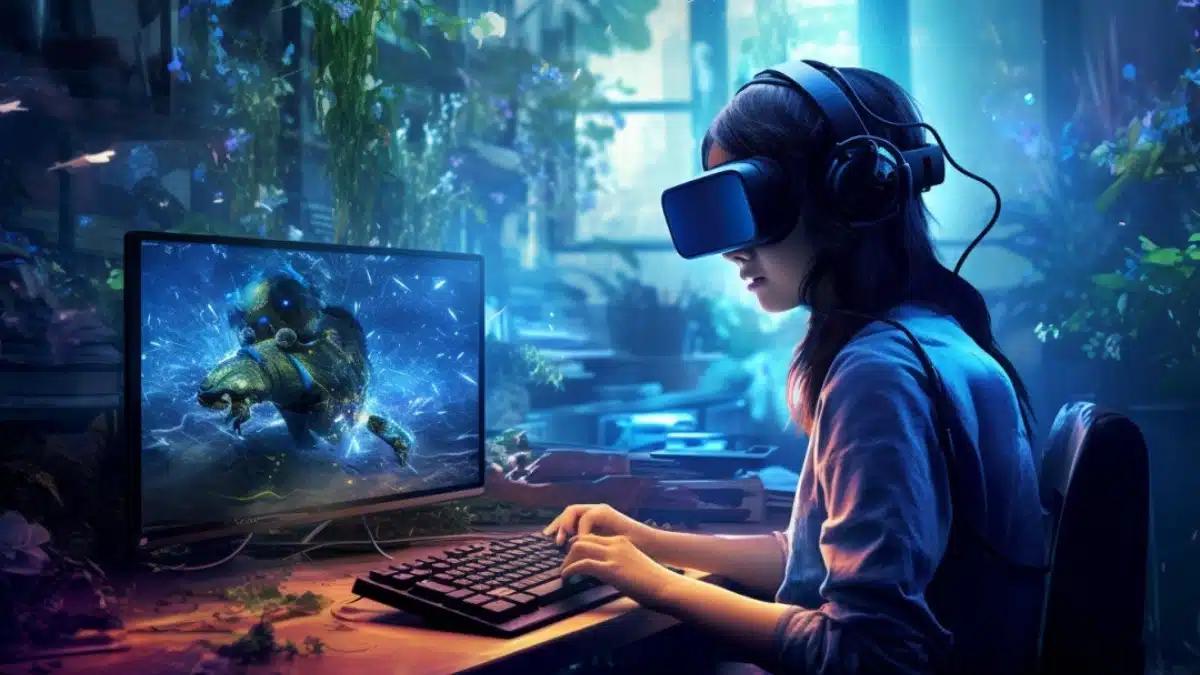
Games have long gone beyond ordinary entertainment. Today, they are a real training ground for innovation, design, and community management. What was once a hobby for the few has become a global driver of technological development. It is gamers and developers who are behind the evolution of technology, artificial intelligence, and new formats of digital interaction. It’s time to figure out how the habits, dynamics, and thinking that originated in the world of gaming are rewriting the rules of digital progress and shaping the future we live in.
From Players to Pioneers
Gaming is not just entertainment, but an environment that shapes a new generation of thinkers and innovators. Every game is a challenge where you need to analyze the situation, make quick decisions and look for unconventional ways. Such a problem-oriented and strategic nature of games cultivates in gamers the ability to see opportunities where others see only barriers.
They think systematically, experiment and learn from their own mistakes. Gamers naturally adapt to the digital environment: they test new tools, intuitively scale ideas and improve processes faster than traditional users. Their flexibility and willingness to experiment have become the basis of a modern approach to creativity, business strategies and user experience design. Thanks to this, gaming thinking is at the heart of digital innovations today – from UX solutions to interactive marketing. In them, every user action is part of a thoughtful game with a goal, feedback and reward.
The Technology That Gaming Built
The gaming industry has become a powerful catalyst for technological progress. It was the need to make games more realistic, faster, and smarter that stimulated the development of artificial intelligence, graphics processors, and real-time systems. Algorithms that once created the behavior of virtual characters are now used in robotics, data analytics, and even medical simulations. Powerful GPUs, originally developed for visual effects in video games, have become the basis for modern research in machine learning.
Gaming has also given the world immersion technology. VR, AR, interactive interfaces – all of these are now used in virtual classrooms, design programs, and corporate collaboration tools. What began as an attempt to create a more vivid game has become the foundation for the most human-centric digital solutions of today. Gaming has taught technology to be emotional, flexible, and user-experience-oriented. This is what has turned it into the driving force of the new digital era.
The Rise of Community-Driven Ecosystems
Even before Facebook or Discord came along, gaming communities already existed in forums, chat rooms, and guilds. These were the first digital social networks built on genuine interest, loyalty, and mutual support. Gamers created their own ecosystems where shared goals, emotions, and achievements brought people together more strongly than any advertising. It is this model that has become an example for modern brands, content creators, and online businesses that today strive not just to sell, but to build relationships.
Modern tools, such as https://onlymonster.ai/creators, help recreate this gamer approach in the digital environment. It is a CRM system that is integrated into the browser and designed specifically for fan platforms. OnlyMonster allows creators and entrepreneurs to manage audience engagement, analyze community behavior, and build strong interactions with fans. This tool brings gaming into the business world, helping to create loyalty that is based not on discounts, but on shared emotions, stories, and a sense of belonging.
Gaming Culture as the Blueprint for Engagement
Gamers live in an environment of constant feedback: every action brings a result, and every challenge motivates them to move on. They are used to systems of achievements, levels and rewards that create a sense of progress. These are the principles that developers of applications, educational platforms and online businesses are adopting today. They have understood that users remain engaged when their interaction resembles a game.
Brands are increasingly using game logic: loyalty programs are turning into quests, training courses into interactive adventures, and work tools into systems where progress is measured in achievements, not hours. This is how entertainment and functionality are combined, creating a new model of digital interaction. When a user does not just consume content, but participates in the process, he becomes part of a community, not an audience. And this is what turns an ordinary product into an experience that you want to return to again and again.
Beyond the Screen – The Future Gamers Are Building
The world of games has long gone beyond monitors. The spirit of interactivity that underlies gaming is shaping a new generation of technologies – from metaverses where people work, communicate and create in a virtual space, to AI-personalization that adapts the digital experience to each user. Even social commerce today borrows game mechanics: competitions, awards, collective goals.
Collaboration between gamers, developers and business leaders opens a new era of creativity, where innovations are born not in laboratories, but in shared digital spaces. Gamers teach how to think systematically, interact without barriers and look for non-standard solutions in real time. These are the qualities that become the basis of technological progress.
Gaming does not just influence culture, because it is culture itself. It is the language in which we communicate in the digital world, and the format in which we will create the future. The next decades will belong to those who are not afraid to play and know how to turn play into innovation.
Conclusion
Gaming has always been about immersion, connection, and imagination—values that are now driving global innovation. What once originated in games is now advancing science, business, and creative industries. The same curiosity that motivates gamers to explore new worlds is now fueling the development of technology and digital ecosystems. The future of progress is looking less like a boardroom and more like a cooperative game where people play, learn, and create together.