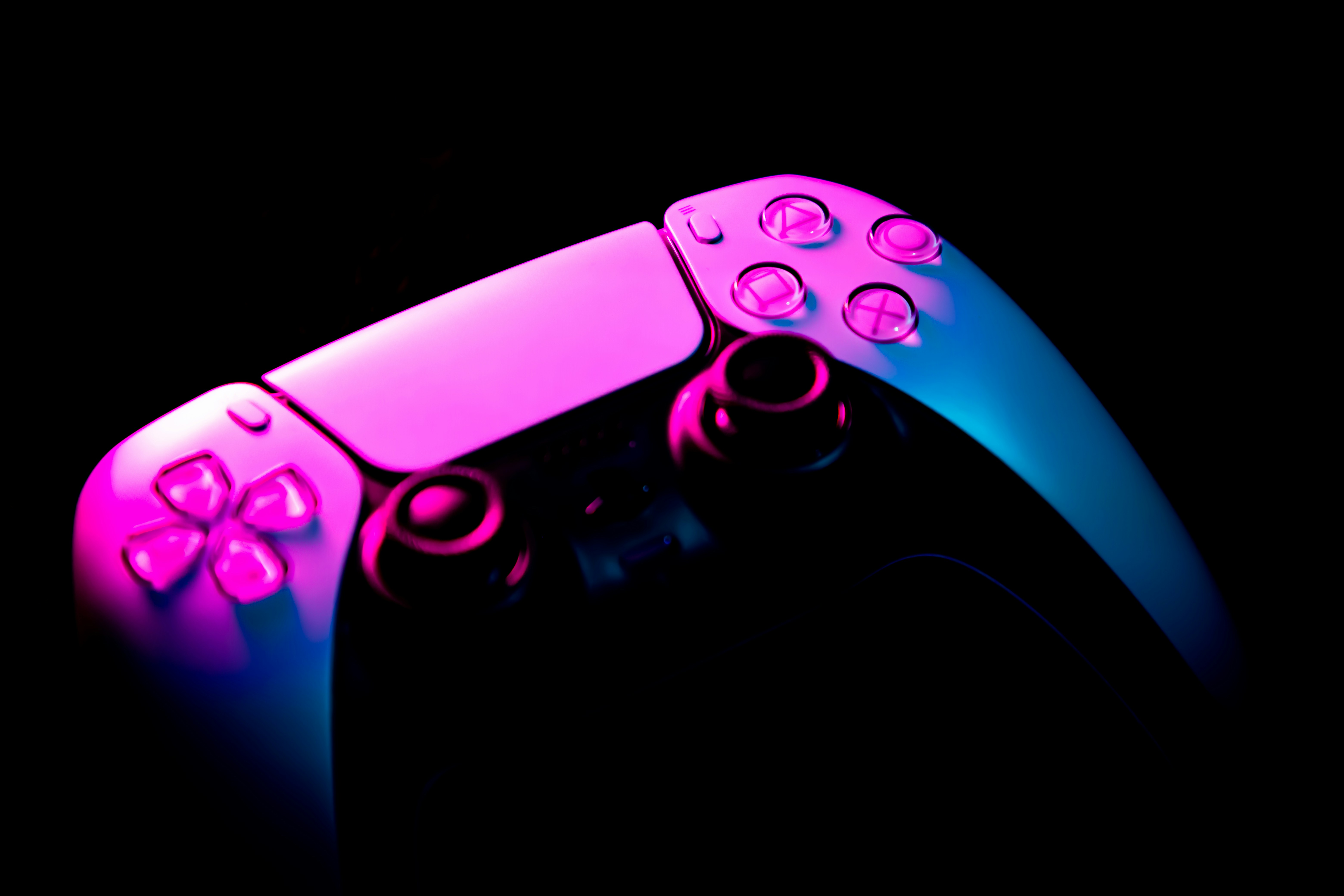
PlayStation games can move quickly between exploration, combat, menus, traversal, and cinematic scenes. Visual design gives these moments their shape, yet sound often makes them memorable. A particular reload, menu confirmation, sword strike, or ability activation can become closely associated with a game because it gives an action a sound that feels specific to that world.
Movement sounds define the feel of an action
The sound of movement tells players more than the animation alone. A dodge can feel light and quick, a heavy weapon swing can suggest force, and a grappling move can create a sense of speed before the character reaches the next point. Whooshes sound effects can support these actions by giving movement a clear direction and character.
A short, tight whoosh may suit a fast melee attack or evasive move. A longer sound can build anticipation before a charged ability, powerful finishing move, or camera transition. The choice should reflect the game’s setting. A science-fiction title may use synthetic sweeps and digital textures, while a fantasy game may use airy sounds around magic, arrows, and blade movements.
These sounds become more distinctive when they are reserved for specific actions. A character’s signature dash, a recurring ability, or a special weapon can use an identifiable motion cue that players learn to recognise. This gives the action more personality and helps it stand apart from routine movement.
Interface sounds make menus feel part of the game world
Menus are often where players spend time managing equipment, selecting abilities, opening maps, and changing settings. Generic clicks may communicate that an input worked, but a more considered sound can make the interface feel connected to the game itself.
A science-fiction menu may use restrained digital pulses and sliding tones. A historical adventure could use subtle mechanical sounds, parchment movement, or metallic details. A racing game may use cues that reflect speed, engines, or dashboard controls. These sounds give menus their own identity while still helping players understand what has happened.
Important interactions should sound different from ordinary ones. A basic selection can use a short confirmation. A locked option may need a lower or more muted response. Unlocking an ability, collecting a rare item, or completing an objective can use a fuller cue that marks the moment as more significant. Players then receive information through sound without having to search for another visual prompt.
Impact sounds make combat easier to understand
Combat becomes clearer when every point of contact has a sound that reflects the action. Impact sound can distinguish a blocked attack from a successful hit, a light strike from a heavy one, or an enemy stagger from a normal response.
Material is important. A blade hitting armour should not sound like a weapon hitting wood, stone, or fabric. A punch against a creature can combine a sharp attack, a body response, and a short environmental reflection. These differences make combat feel more physical and help players understand the result of an action in fast encounters.
Enemy size can also change the sound. Smaller opponents may need concise impacts that keep the pace moving. Larger enemies can use deeper, longer sounds that suggest mass and force. A boss may have a distinctive impact sound that players begin to associate with one of its attacks, making the encounter easier to read over time.
Impact sounds also matter outside combat. A vehicle hitting an obstacle, a mechanism locking into place, debris falling, or a character landing after a jump all benefit from audio that communicates weight and contact.
Conclusion
Many of the sounds players remember are connected to actions they perform repeatedly. A weapon reload, item pickup, special move, enemy alert, or menu confirmation can become part of a game’s identity when it is used consistently and fits the setting.
The most effective sound design gives each important action a reason to sound different. Movement cues can make traversal feel more purposeful. Interface sounds can turn menus into part of the world. Impacts can explain force, material, and outcome. Together, these distinctive sounds help PlayStation gameplay feel more immediate because players are not only seeing what happens. They are hearing exactly what it means.