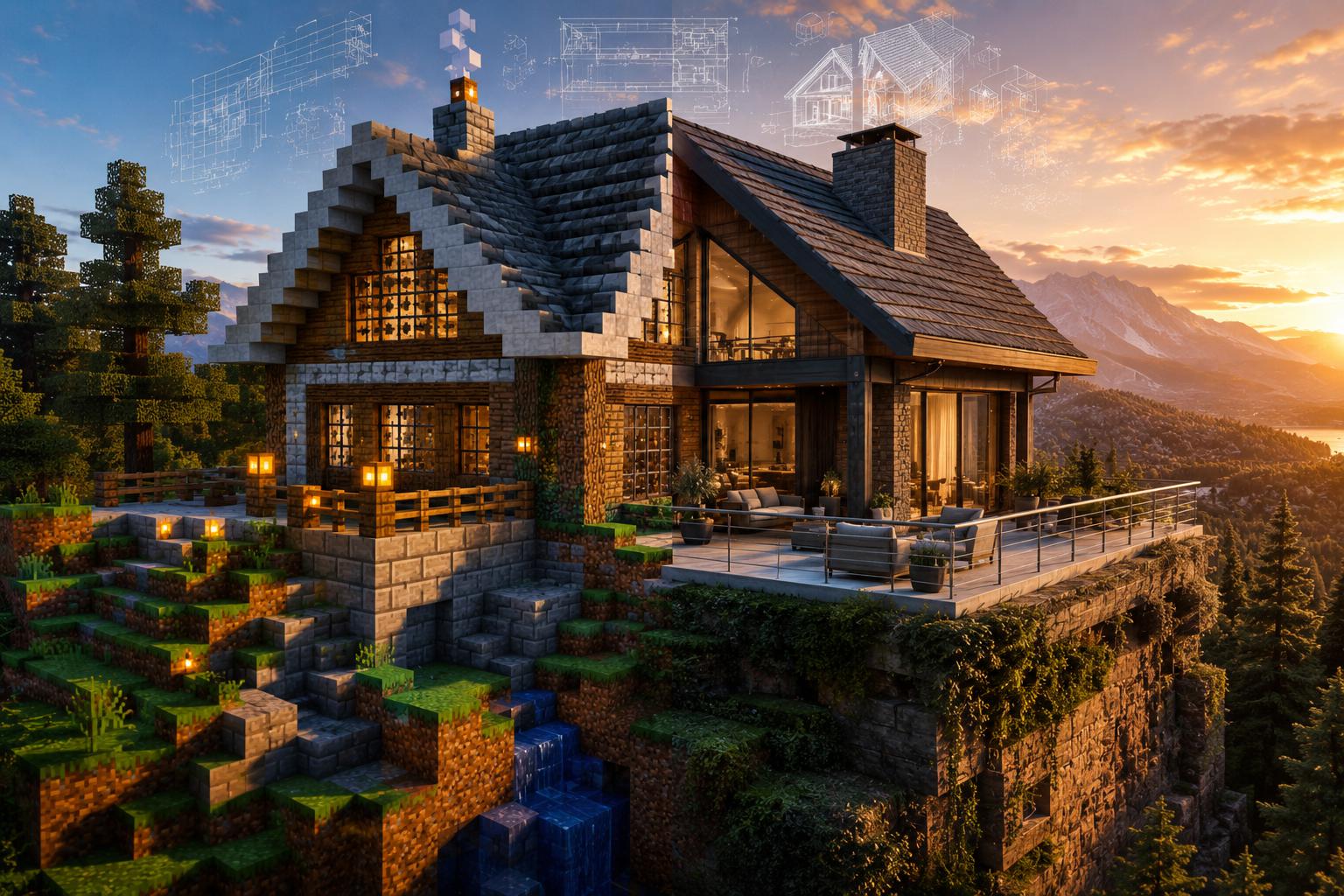
For more than a decade, Minecraft has inspired players to become architects, engineers, and city planners in a world limited only by imagination. From simple starter cabins to sprawling castles and modern mansions, the game encourages players to think carefully about how structures are built and protected.
While Minecraft may be a sandbox game filled with blocks and fantasy creatures, some of the lessons players learn while building can surprisingly apply to real-world construction. Creating a structure that survives hostile mobs, environmental hazards, and long-term expansion requires many of the same principles that help real homes remain safe and durable for years.
Of course, building a house in Minecraft is much easier than constructing one in reality. Real homeowners must consider weather, maintenance, building materials, and structural integrity. Still, there are several practical lessons hidden within the game’s simple mechanics.
A Strong Foundation Matters
One of the first lessons new Minecraft players learn is that location matters.
Building directly on sand, near dangerous cliffs, or in poorly planned areas often creates problems later. Experienced players usually spend time preparing a site before constructing a major project.
The same principle applies in real-world construction.
A home’s foundation supports the entire structure above it. Problems with settling, drainage, or soil conditions can lead to expensive repairs and long-term structural issues. Builders carefully evaluate the land before construction begins to ensure the property can safely support the home.
Whether you’re building a Minecraft castle or a real-world residence, starting with a solid foundation is one of the most important decisions you’ll make.
Choosing the Right Materials
Minecraft offers players dozens of building materials.
Wood provides a quick and accessible option for early-game structures. Stone offers improved durability. Concrete creates a modern appearance. Netherite and other rare materials provide additional strength and visual appeal.
Players often choose materials based on their goals. A survival shelter prioritizes protection, while a decorative mansion focuses on appearance.
Real-world builders face similar decisions.
Different roofing materials, siding options, and structural components offer varying levels of durability, energy efficiency, and weather resistance. Choosing the wrong material for a specific climate can shorten the lifespan of a home and increase maintenance costs.
Durable homes aren’t simply built with the most expensive materials available. They’re built using materials appropriate for the environment.
Weather Resistance Is Critical
Minecraft weather is relatively harmless. Rain may reduce visibility, and thunderstorms can create dangers, but buildings themselves generally remain unaffected.
Reality is very different.
Homes must withstand:
Heavy rain
Strong winds
Extreme temperatures
Hail
Humidity
Severe storms
In areas that experience frequent storms, weather resistance becomes one of the most important factors in home construction.
A properly installed roof plays a major role in protecting the entire structure. Water intrusion, wind damage, and deteriorating roofing systems can lead to expensive problems throughout the home. That’s why many property owners work with a roofer in Lafayette LA homeowners trust to ensure their roofs remain prepared for Louisiana’s challenging weather conditions.
Unlike Minecraft, where damaged structures can be repaired instantly, real-world storm damage often requires professional inspections and specialized repairs.
Planning for Long-Term Expansion
Many Minecraft players begin with a small starter house.
As resources accumulate, that simple shelter often evolves into a larger compound complete with farms, storage rooms, workshops, defensive walls, and transportation systems.
The most successful builds are designed with future growth in mind.
Real homeowners often face similar situations.
A home that meets today’s needs may require upgrades tomorrow. Growing families, changing lifestyles, and technological improvements can all create new space requirements.
Planning for future expansion helps avoid costly renovations and structural complications later. Builders who think ahead often create homes that remain functional and adaptable for decades.
Maintenance Is Easier Than Replacement
In Minecraft, replacing damaged blocks is usually a simple task.
A creeper explosion might destroy part of a wall, but repairs generally require only a few materials and a few minutes of work.
Real homes don’t offer such convenience.
Minor maintenance issues can quickly become major expenses if ignored. A small leak may eventually damage insulation, drywall, flooring, and structural components. Missing shingles can expose underlying materials to moisture and deterioration.
Routine inspections and preventative maintenance often cost far less than major repairs.
This is one area where Minecraft and real-world construction share an important lesson: fixing small problems early is almost always easier than rebuilding later.
Security Matters
One of the first priorities in Minecraft survival mode is creating a secure shelter.
Players build walls, install doors, add lighting, and create defensive measures to keep hostile mobs away.
While homeowners rarely need to worry about zombies or skeletons, security remains an important aspect of property ownership.
Modern homes often incorporate:
Security cameras
Smart locks
Outdoor lighting
Reinforced entry points
Alarm systems
Protecting a property requires planning, awareness, and ongoing attention—just as it does in Minecraft.
Efficiency Creates Better Homes
As players gain experience, they often focus on making their Minecraft builds more efficient.
Storage systems become organized. Farms become automated. Transportation routes become streamlined.
Efficiency improves both functionality and convenience.
Real homes benefit from the same approach.
Energy-efficient windows, insulation, roofing systems, appliances, and HVAC equipment can reduce utility costs while improving comfort. Thoughtful design choices help homeowners save money and improve overall quality of life.
The most successful homes aren’t always the largest. They’re often the ones designed to function efficiently.
A Roof Is More Important Than Most Players Realize
In Minecraft, the roof is often treated as a finishing touch.
Players spend hours designing interiors, gathering resources, and creating impressive facades before finally adding a roof to complete the project.
In reality, the roof is one of the most important components of the entire structure.
A quality roofing system helps:
Prevent water intrusion
Improve energy efficiency
Protect structural components
Extend the lifespan of the home
Enhance curb appeal
Without proper roofing protection, even the best-built home becomes vulnerable to damage.
This is particularly important in regions exposed to severe weather, where regular inspections and maintenance can help identify potential problems before they become costly repairs.
Location Can Make or Break a Build
Experienced Minecraft players understand the importance of selecting the right location.
Building near valuable resources improves efficiency. Constructing a base in a dangerous biome can create ongoing challenges.
Location affects nearly every aspect of gameplay.
The same is true in real life.
Climate, local infrastructure, environmental risks, and regional building requirements all influence how homes are designed and maintained.
Homes located in storm-prone regions require different construction strategies than homes located in dry desert climates. Builders must account for local conditions to maximize durability and performance.
The Best Builds Balance Function and Style
Some Minecraft players focus entirely on aesthetics.
Others prioritize practicality above all else.
The most memorable builds usually strike a balance between both.
Real-world architecture follows a similar philosophy.
A home should look appealing, but it must also function effectively. Durable materials, weather resistance, energy efficiency, and structural integrity are often more important than cosmetic features alone.
The most successful homes combine beauty with performance.
Minecraft may not be a construction simulator, but it teaches players several valuable principles that apply surprisingly well to real-world home building. Strong foundations, thoughtful planning, quality materials, routine maintenance, and long-term durability all contribute to successful structures both inside and outside the game.
Of course, real homes involve far greater complexity than a collection of digital blocks. Weather, maintenance requirements, building codes, and material performance all play significant roles in determining how long a home will last.
Still, the next time you spend hours perfecting a Minecraft build, remember that many of the same ideas influence the homes and buildings around you every day. Whether you’re constructing a virtual castle or maintaining a real property, durability begins with smart decisions and careful planning.