The economy of Hungary in recent years has faced various challenges, including global economic changes, domestic reforms, and interaction with the European Union. It is expected that in 2025 the country will continue to adapt to new conditions, which will affect key aspects of the financial and economic situation. Forecasts for 2025 include not only the development of economic trends but also changes in the structure of the financial sector, currency markets, and investment attractiveness.
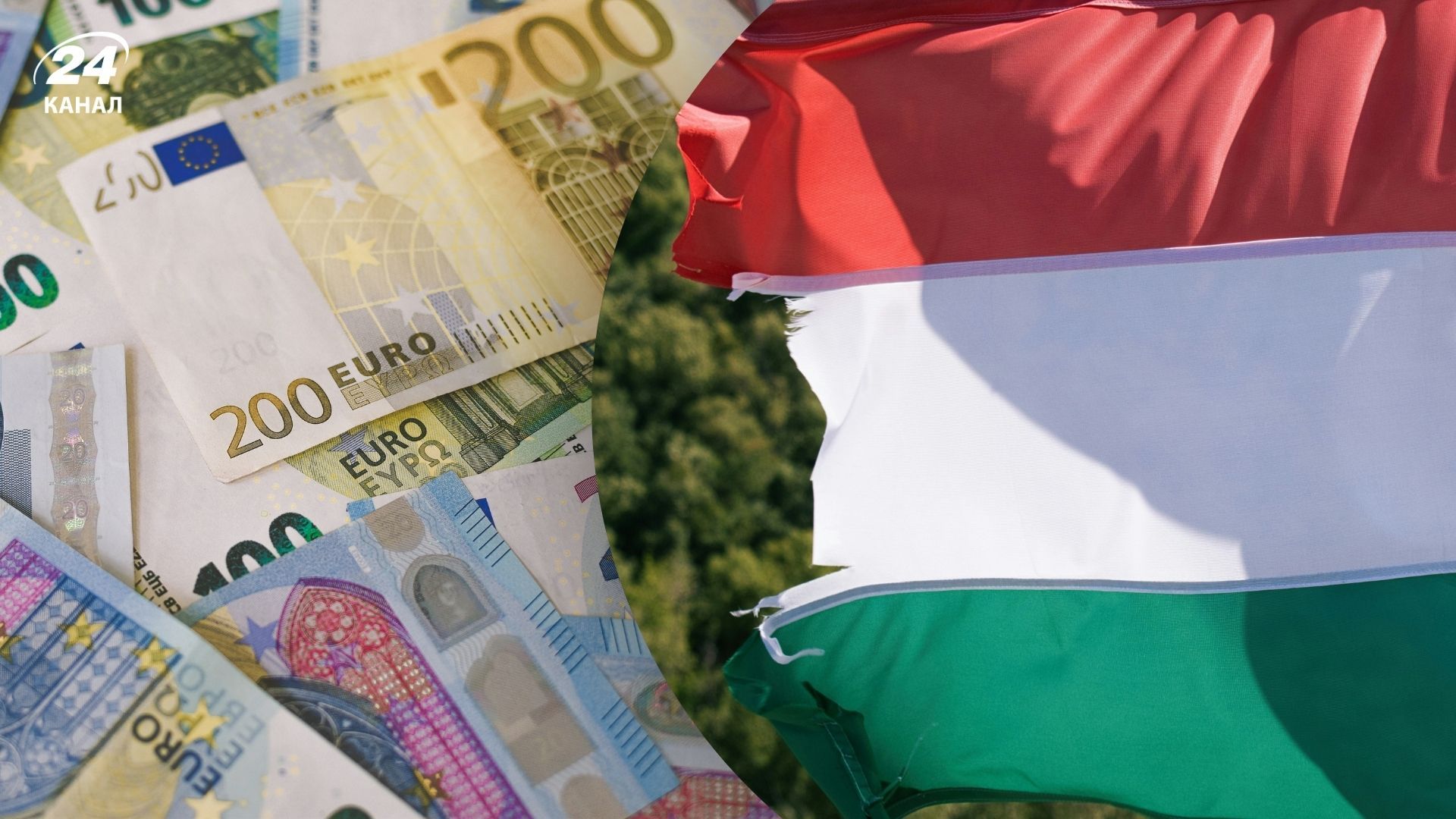
Economic trends of Hungary in 2025
In 2025, the economy of Hungary, like other Central European countries, will develop under the conditions of global economic changes. A moderate GDP growth is forecasted, with external trade and cooperation with the European Union becoming the determining factors. The main priorities will be digitalisation and technological innovations in various sectors.
Forecasts for GDP growth, inflation, and unemployment rate in Hungary for 2025:
| Indicator | Forecast for 2025 |
| GDP growth | 2.5% – 3% |
| Inflation rate | 5% – 6% |
| Unemployment rate | 3.5% – 4% |
The GDP growth of the country in 2025 is expected to be at the level of 2.5-3%. This is moderate growth, which will ensure sustainable economic development. However, Hungarian authorities and economists will be forced to work on reducing inflation, which may reach 5-6%. The unemployment rate, despite economic growth, will remain relatively stable at around 3.5-4%.
The influence of foreign trade and economic cooperation with the European Union
Foreign trade will continue to remain a key element of Hungary’s economy. The European Union still acts as the country’s most important trading partner, influencing the export and import of goods and services. Interaction with the EU, particularly within the framework of various economic and trade agreements, contributes to the stability of Hungary’s financial system. In 2025, it is expected that the EU will continue to support Hungary within the framework of joint economic initiatives aimed at modernising the economy and improving the business climate.
Trends in international trade, such as the increase in trade volumes with neighbouring countries and Asian countries, will also be significant, but their contribution to Hungary’s economy will remain limited compared to the EU.
The financial sector of Hungary: prospects and changes
The financial sector of Hungary in 2025 will face a number of changes caused by internal economic reforms and external factors. Stabilisation of the banking system is forecasted, support for small and medium-sized businesses through improved credit conditions and more flexible tax policies. The Central Bank of Hungary will likely continue its policy of regulating inflation and interest rates.
Forecasts for the currency market, interest rates, and the banking system:
| Points | Forecasts for 2025 |
| Currency (forint) | Stable rate, minor fluctuations |
| Interest rates | 3% – 4% |
| Banking system | Stability, with the potential improvement of conditions for business |
It is forecasted that the forint will remain stable; however, slight fluctuations are possible depending on the external economic situation. The Central Bank of Hungary may raise interest rates to 3-4% to curb inflation and ensure stability in the currency market.
Investment attractiveness of Hungary, stock markets, and real estate market
Hungary in 2025 maintains its attractiveness for foreign investors despite global economic changes. The main factors influencing investment appeal will be the stability of the financial sector, support for investors at the level of state regulation, and a positive GDP growth forecast. In this regard, Hungary also attracts interest from sectors such as gambling business, and the best Hungarian gambling platforms and brands continue to develop against the backdrop of an improving business climate.

The stock markets of Hungary are forecasted to show moderate growth rates as the country continues to develop its infrastructure and improve the business climate. Hungary’s real estate market is also expected to experience changes associated with increased interest in residential and commercial properties. Demand for real estate in major cities such as Budapest is projected to continue rising, making the Hungarian real estate market attractive for long-term investments.
The influence of global factors on the economy of Hungary
International economic sanctions, crises, and trade wars have a significant impact on the countries of Central and Eastern Europe, including Hungary. In the context of global economic turbulence, such as trade disputes between major economies or sanctions, Hungary may face some negative consequences. However, thanks to its integration into the European Union, Hungary receives support in the form of financial instruments and trade agreements that help minimise external risks. This can also affect various industries, including developing ones. gambling sites accepting cryptocurrencies, which are becoming increasingly popular in EU countries.
For example, possible trade wars may affect Hungarian exports, especially in industries such as the automotive and electronics sectors, which constitute a significant part of Hungarian exports. However, the EU, being one of the largest trading partners, remains an important source of support and stabilisation.
The resilience of the Hungarian economy to external economic challenges
Hungary continues to strengthen its economic resilience in response to external challenges. The country’s economic policy is aimed at maintaining a low level of public debt and stimulating domestic production. One of the positive factors is the diversification of the Hungarian economy, which is gradually becoming less dependent on traditional external markets such as Russia.
At the same time, Hungary, like other countries in the region, is not insured against the impact of global economic shocks. Economic resilience will depend on the country’s ability to adapt to changes in the global economy and utilise internal opportunities to stimulate growth.
Changes in state economic policy and business support
In 2025, prolonged efforts by the Hungarian government to improve the business climate are expected. One of the main directions of state policy will remain the support of small and medium-sized businesses through improving the tax burden and simplifying administrative procedures. Subsidy programmes and tax benefits will continue to be part of the strategy to stimulate innovation and create new jobs.
Particular attention will be paid to stimulating digitalisation and innovation in industry, agriculture, and service sectors. This should also enhance Hungarian competitiveness on the international stage.
Forecasts on tax reforms, state support for businesses, and investment measures
It is expected that in 2025 Hungary will continue to develop tax reform. This may include reducing the tax rate for entrepreneurs, creating new tax incentives for investors, and introducing simplified procedures for foreign companies. Hungary will focus on attracting foreign investments, especially in high-tech and innovative industries such as information technology and renewable energy.
The government will also continue its work to support export-oriented industries and attract investments in infrastructure projects. It is forecasted that in 2025 investment measures will be aimed at developing the startup ecosystem and stimulating financial flows into key industries such as pharmaceuticals and high technologies.
In 2025, Hungary’s economy will continue to adapt to external challenges and develop amidst global economic changes. The impact of external sanctions, crises, and trade wars will remain a significant factor, requiring the country to be flexible and capable of quickly responding to new risks. However, despite these threats, the Hungarian economy will demonstrate its resilience thanks to diversification and internal reforms, which create a solid foundation for further growth.
Key findings and recommendations for businesses and the population of Hungary in 2025
In 2025, Hungary’s economy will continue to adapt to changes in the global economy. GDP growth and inflation forecasts suggest moderate dynamics, which will create a foundation for the country’s stable development. Foreign trade and economic cooperation with the European Union will continue to play an important role, while support for small and medium-sized businesses and tax reforms will open up new opportunities for investment and growth.
At the same time, external risks, such as international sanctions and trade disputes, will require the country to be flexible and capable of quickly adapting to changing conditions. In response to these challenges, the Hungarian government will continue implementing investment programmes aimed at developing high-tech sectors and innovations, which will create additional growth opportunities for businesses.
The projected stability in the financial sector, improvements in the banking system, and the investment attractiveness of the country will contribute to economic growth in the coming years. However, it is important to understand that stability does not mean immutability, and businesses need to closely monitor global economic trends, promptly adapting their strategies in response to large-scale challenges.