You know the moment. The last card lands, the multiplier catches fire, and the score counter starts climbing while the music swells underneath it. Nothing about the underlying math changed in that instant. What changed is how the game told you about it. This article looks at the craft behind that feeling: where reward feedback came from, how designers think about it, why our brains respond to it, and how the same principles show up everywhere from pinball halls to a PS5 controller.
The “virtual sensation” behind every good game
Designers have a name for this layer of a game. Steve Swink called it game feel, or “virtual sensation”, and argued it is “in many ways the essence of videogames”. It’s the thing you notice in your hands and ears before you could explain a single rule. Two games can share identical mechanics, and one will feel like pressing buttons on a spreadsheet while the other feels alive.
The difference rarely lives in the rules. It lives in the feedback: what the game does in the tenth of a second after you act.
Pinball figured it out first
Long before consoles, machines were celebrating on the player’s behalf. The Strong National Museum of Play notes that pinball games saturate players’ senses with booming sounds and spectacular light shows while still rewarding careful strategy under pressure. Those chimes and flashers weren’t decoration. They were the reward.
Early electromechanical tables had only pops and thumps to work with, and designers still used every one of them. By the time video arcades arrived, the lesson was baked in: a win that nobody announces barely feels like a win at all.
“Juice”: the craft of overreacting
Modern designers call this ingredient juice. The term stuck after a famous GDC Europe 2012 talk, “Juice It or Lose It”, in which Martin Jonasson and Petri Purho took a boring old game and cranked it “up to eleven” live on stage, changing nothing about the rules. The juiced version was unrecognizable – and irresistible.
Juice is a toolbox more than a theory. The staples include:
- Screen shake and hit-stop, so impacts carry weight
- Particles and light that bloom outward from the point of action
- Sound effects that rise in pitch as a streak builds
- Numbers that tick upward instead of simply appearing
- Animations that stretch, squash and bounce instead of snapping
None of it changes what the player did. All of it changes what the player felt they did.
Your brain keeps score too
There’s real neuroscience underneath the confetti. Research on reward prediction error, built on Wolfram Schultz’s dopamine studies, shows that unexpected rewards trigger a dopamine response that drives learning: when an action turns out better than expected, the brain flags it as worth repeating. Surprise is the active ingredient, which is why great reward design escalates and varies its celebrations instead of playing the same fanfare every time.
Balatro, the modern masterclass
Few games demonstrate all of this better than Balatro. LocalThunk’s poker-deck roguelike sold 5 million copies as of January 2025 after an awards-season surge, and the praise kept circling back to how scoring feels. Push Square’s verdict was typical: “it’s immensely gratifying watching everything tot up and set your score ablaze”. We said much the same in our own Balatro review.
Look at what the game actually does when a big hand lands. The chips counter ticks up card by card, each Joker triggers with its own sting, the multiplier text starts to burn, and the score doesn’t appear so much as detonate. It’s the “Juice It or Lose It” checklist executed with total discipline, in a game whose core loop is otherwise just arithmetic.
[EMBED: YouTube — https://www.youtube.com/watch?v=rgrv9giaNO8 — “Balatro – Launch Trailer | PS5 & PS4 Games”, official PlayStation channel]
The same principles, outside video games
These techniques were never exclusive to consoles. Online slots are built on the same sensory grammar of escalating sounds, cascading lights and counters that climb, and researchers at the University of Waterloo have documented just how central audio feedback is to that experience, with celebratory sound shaping how players remember their session. In South Africa, where the Hollywoodbets platform operates, these games are offered by locally licensed bookmakers under provincial licences, strictly for adults aged 18 and over. The design language may be familiar to any gamer, but the stakes are not: real money is involved, and anyone who feels their play slipping can call the South African Responsible Gambling Foundation’s toll-free line on 0800 006 008, any hour of the day.
Understanding the design, if anything, is the best inoculation. Once you can name the tricks (the rising pitch, the near-celebration, the number that ticks instead of appearing), you can enjoy the craft without being steered by it.
The controller in your hands is the next frontier
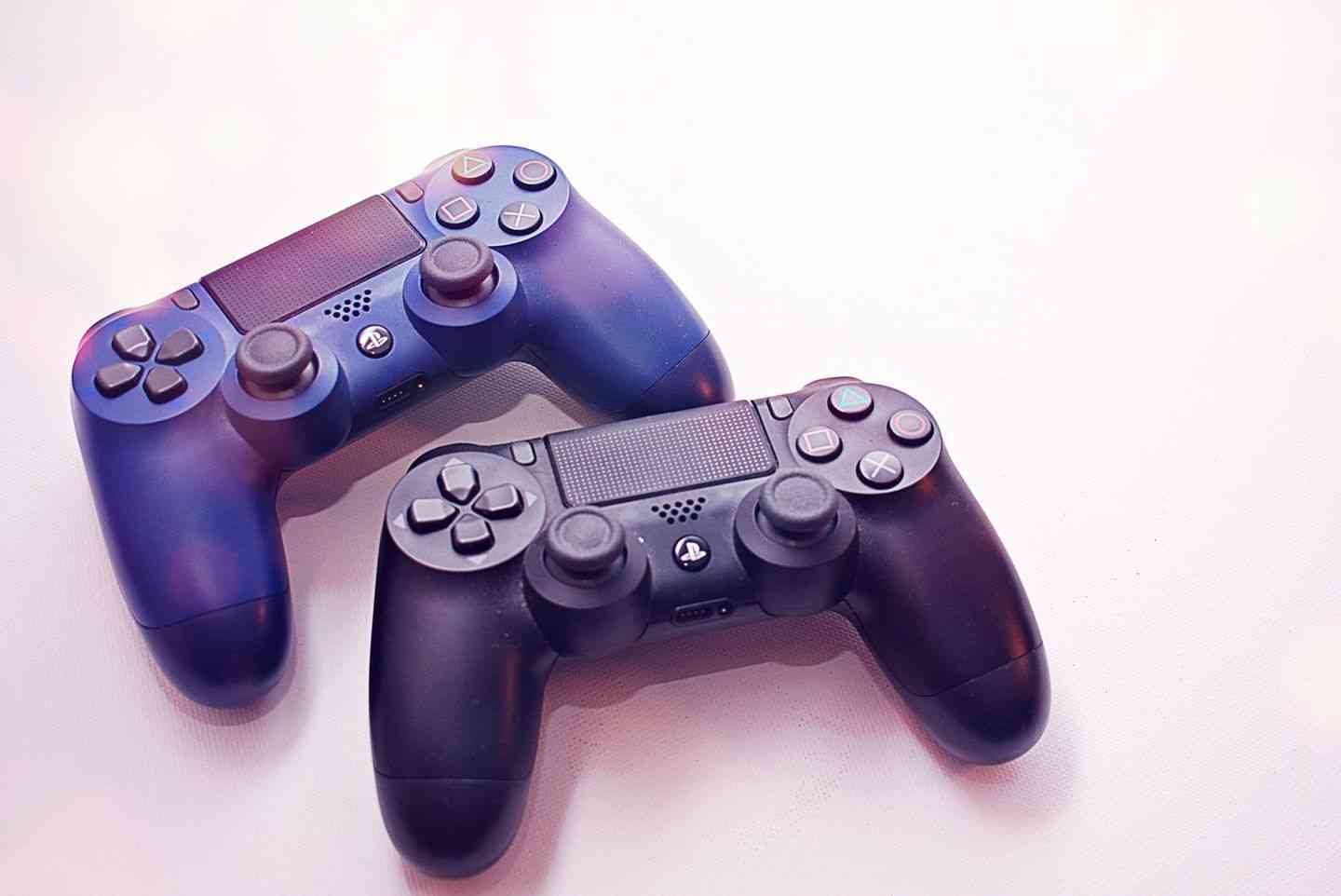
Reward feedback keeps finding new channels. On PS5, the DualSense turned touch into one of them: Motive’s Dead Space remake gives every weapon a unique feel through haptics and adaptive triggers, makes the trigger buck with each round fired, and even routes pickup feedback through the controller’s speaker. The fanfare that started as a pinball chime now plays in your palms.
Winning is a feeling before it’s a result
Strip the celebration out of any game, and the win is still there, technically. It just stops mattering. That’s the quiet lesson running from the 1930s pinball parlor to Balatro’s burning multiplier: players don’t fall in love with outcomes, they fall in love with how outcomes are delivered. The next time a game makes you grin at a good hand, take a second to notice the machinery working on you. Then let it work anyway. That’s what it’s there for.