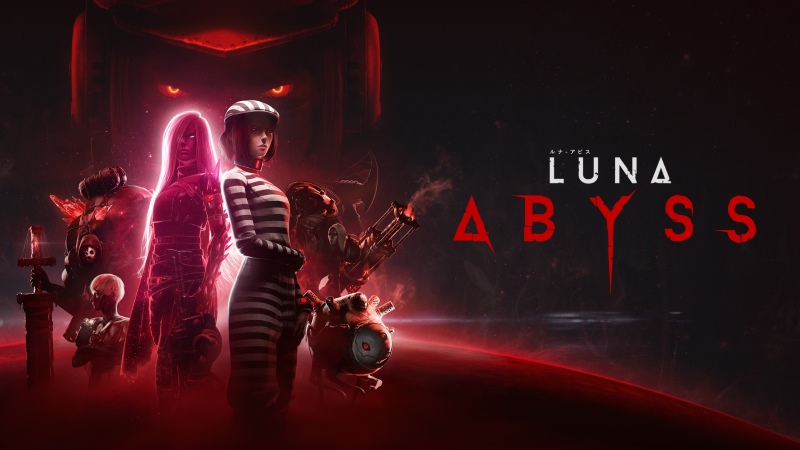
Luna Abyss PS5 Review. If BioShock, DOOM, Returnal, Control, Destiny and even echoes of Metroid Prime were thrown into a collapsing industrial abyss and left to evolve, Luna Abyss is what would crawl out. Developed by Kwalee Labs, this is a first-person action experience that wears its inspirations confidently, but more importantly, recombines them into something atmospheric, distinctive and consistently engaging. What emerges feels familiar in parts, yet strikingly original in motion, delivering an identity that lingers long after you step away.
Luna Abyss Review (PS5) – Abyssal Trip
Doing Time
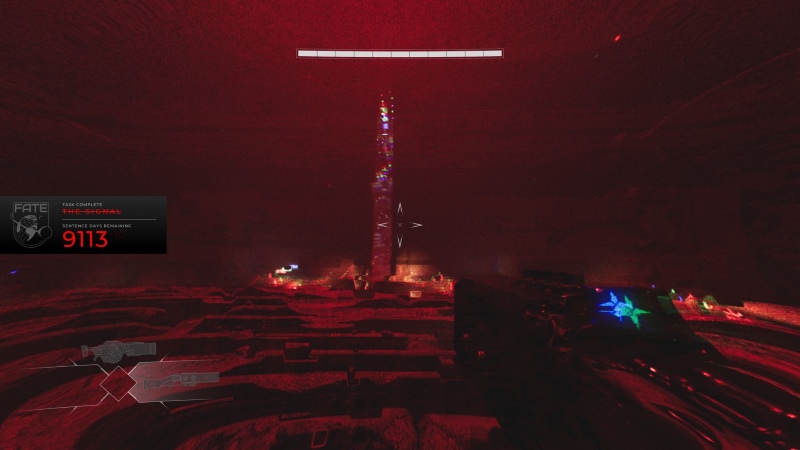
That identity starts to form once the world begins to reveal itself properly. You inhabit synthetic bodies known as Wardens, deployed into an abyssal prison system governed by the enigmatic All Father. These missions function as reduced-sentence labour, turning exploration into a monitored extension of incarceration rather than freedom. The structure is reinforced through failed wardens scattered throughout the depths, marking those who pushed further and didn’t succeed. It creates a quiet weight that sits beneath everything before combat even begins.
You see a clear sense of presentation borrowed from Destiny, particularly in world design, its clean HUD, health bar placement, and readable sci-fi enemy silhouettes. There’s plenty of fluid platforming and challenging enemies to contend with throughout as you descend further into the abyss. Once combat begins, though, Luna Abyss shifts into something far more reactive and intense. Encounters echo the pressure of Returnal, with dense neon projectile patterns filling tight spaces and demanding constant movement, awareness and fast decision-making. It stays fast, sharp and deliberately overwhelming.
Dodge, Duck, Dip, Dive And Dodge
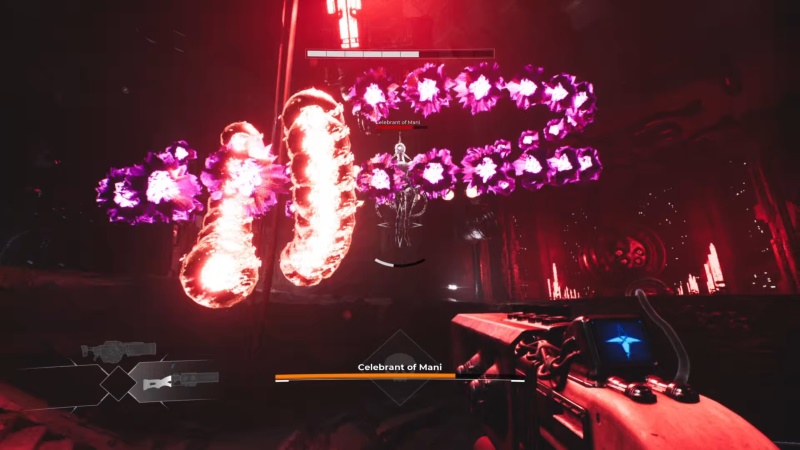
Combat is where the game defines itself. Weapons run entirely on heat management rather than ammunition, forcing constant mid-fight cycling. Each tool carries its own overheating curve, so you must balance aggression against control at all times. The deliberately smaller weapon roster also works in its favour, keeping encounters readable and ensuring heat remains the central skill rather than loadout optimisation.
That system feeds directly into encounter design. Fights rarely behave like traditional arenas and instead feel like reactive problem-solving under pressure. Standard enemies test positioning and awareness, while shielded units require specific weapon sequencing before damage becomes effective. Later encounters layer multiple threats at once, forcing prioritisation in tight spaces. Mistimed heat management still locks you out of key options, turning simple fights into shifting tactical problems. On higher difficulties, efficiency becomes survival rather than optimisation.
Beneath that intensity sits a world that takes time to settle. Rather than pushing mechanics immediately, it leans into scale and atmosphere. Vast industrial caverns, suspended structures and deep subterranean corridors create a sense of carved space rather than constructed design. Silence carries weight here, and that slower rhythm gives combat a stronger contrast when it erupts.
Atmospheric Abyss
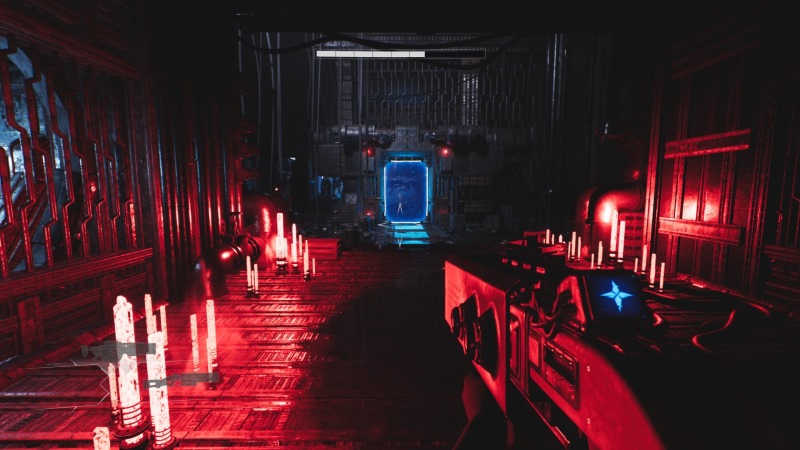
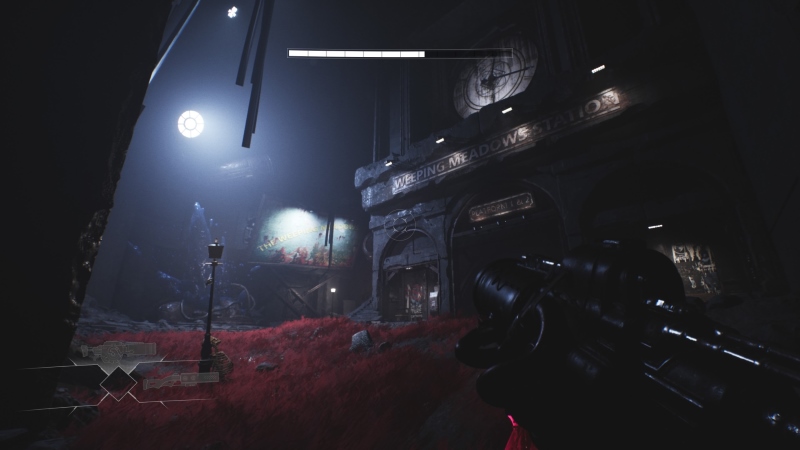
Atmosphere is where the game consistently excels. Slow piano motifs and layered strings echo through vast subterranean corridors and brutalist industrial spaces, carved with a sense of oppressive scale and weight. These environments don’t just serve as backdrops for combat, they feel built around containment and observation, as if the world itself was designed to suppress movement as much as it enables it. There’s a persistent loneliness that recalls Dark Souls in spirit, even if the gameplay differs significantly.
That sense of place becomes even stronger as you move deeper into its industrial layers. Corridors stretch into labyrinth-like structures of steel and concrete, with towering brutalist frameworks that feel almost architectural in a grounded, industrial heritage sense before being warped into something far more alien. It gives the world a strangely familiar edge, as if these spaces were once functional before being repurposed into something colder and more oppressive. Brutalist architecture, industrial design, flickering lights, and surreal scale combine into something that feels like a distorted fever dream — like a Tool music video gone wrong, rendered in steel, red lights and shadow.
Progression follows a light Metroid-style structure (leaning more linear in execution). The game encourages exploration to find resources and weapon pickups. Abilities unlock as you advance and are then required to access upcoming areas rather than supporting heavy backtracking. Instead of revisiting old spaces repeatedly, the game pushes forward momentum, with each tool immediately feeding into the next stretch of progression. Traversal and combat merge into a continuous system that prioritizes forward flow over looping exploration.
Advantageous Surveillance
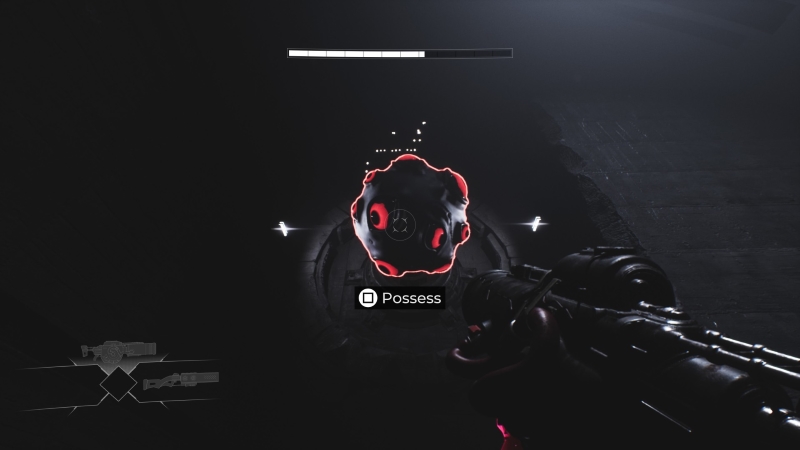
Building on that structure, Luna Abyss gradually introduces traversal tools that reshape how you approach space and encounters. One of the most distinctive is the Eye possession mechanic, allowing you to control floating surveillance units to reposition across gaps or reach hidden paths. It reinforces the world’s surveillance identity, where movement feels both restricted and exploitable. The double jump expands vertical traversal and becomes essential in both platforming and combat, especially when dodging dense projectile patterns.
Exploration supports this loop with hidden Drift Crystals and environmental secrets placed off the main path. These rewards sit in areas that demand observation and experimentation with traversal routes. Audio logs deliver lore in a style reminiscent of BioShock, reinforcing a world that existed long before your arrival and continues beyond it.
Combat design continues to stand as one of its strongest pillars. The mix of aggression seen in DOOM Eternal and Returnal-style projectile density creates encounters that remain consistently demanding. With no ammo system in place, heat management becomes the defining mechanic, forcing adaptation and preventing any single loadout from becoming dominant.
Topside And Underworld Collide
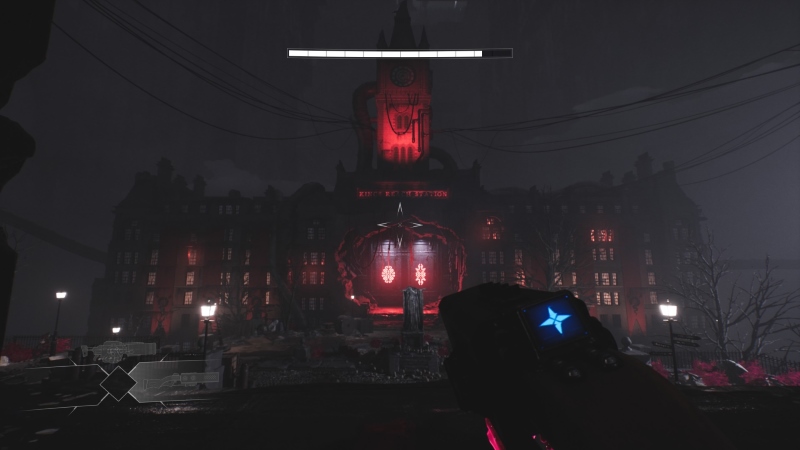
Visually, Luna Abyss impresses most through lighting and environmental composition. Industrial corridors and subterranean spaces carry strong identity through contrast and shadow work. However, image softness and lower-resolution close-ups occasionally hold the presentation back. The art direction remains strong, but sharper clarity would elevate it further.
Where the experience occasionally stumbles is combat readability. Dense projectile patterns combined with limited directional feedback make tracking threats difficult in chaotic encounters. It rarely breaks flow entirely, but in crowded fights it becomes the game’s most significant flaw. The lack of projectile indicators has a noticeable impact on moment-to-moment decision-making under pressure.
Carving A Unique Identity
Luna Abyss is at its strongest when movement, combat and awareness merge into a single rhythm. It successfully fuses its influences into something cohesive rather than derivative, delivering a consistently engaging experience built on strong systems and atmosphere. Even with visual softness, occasional clarity issues and a more significant combat readability problem caused by missing projectile indicators, it remains a tightly designed action experience. Those issues affect high-pressure encounters most, where clarity becomes as important as reaction speed.
What remains is a confident, mechanically rich experience with excellent atmosphere, rewarding combat and a strong identity. The game encourages experimentation through its weapons, movement and encounter design. Its haunting world leaves a lasting impression throughout the journey. Some rougher edges, like the combat readability and visual softness, aren’t enough to hold the experience back. Especially since the combat is incredibly fun and the world design is brilliant. This ambitious adventure stands out through its style, tension and atmosphere.
Luna Abyss releases for PS5 on May 21, 2026.