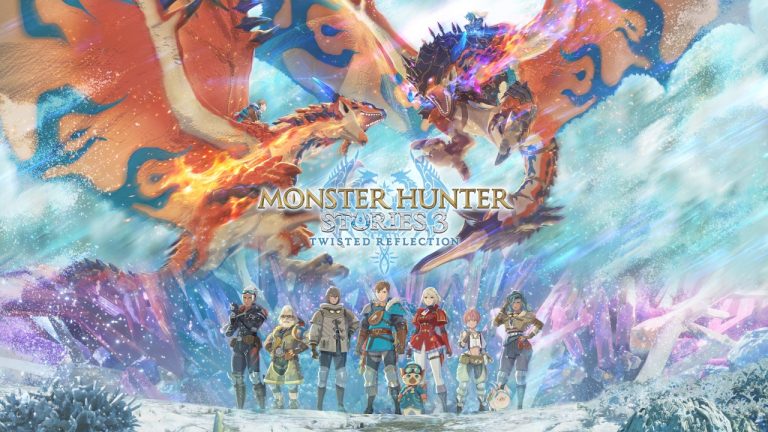
Monster Hunter Stories 3: Twisted Reflection PS5 Review. I finished my playthrough of Monster Hunter Stories 3: Twisted Reflection feeling incredibly refreshed and downright surprised at just how much I enjoyed it. Not that I wasn’t expecting to, but more so at how Capcom has managed to take the core of the main Monster Hunter series and translate that it into a turn-based RPG, without getting rid of what so many people love.
Yes, this is a single-player RPG, but it’s also a Monster Hunter game. It would have been easy for Capcom to mindlessly throw the roster of Monsters into a pretty standard monster-taming fare, but this really does feel in step with the others in the series, even if it’s in a different form factor.
As the third in this dedicated subseries, it’s heartening to see it take meaningful steps to further establish itself as an equal half, rather than a flash in the pan release. Make no mistake, Monster Hunter Stories 3: Twisted Reflection is the real deal.
Monster Hunter Stories 3: Twisted Reflection Review (PS5) – How To Train Your Monstie
Getting On The Saddle
The main conceit with the Monster Hunter Stories subseries are the aforementioned “stories”. Anyone who has played the main Monster Hunter series will know that they aren’t exactly known for their engaging main scenarios, much of the appeal comes from making stories with your friends as you hunt larger than life beasts and clutch a victory from the jaws of certain defeat.
I’ve had many a late night come purely from spending an extra hour on hunting a particularly nasty monster, just because we were all having that much fun.
Even still, the world of Monster Hunter is undoubtedly rich with detail and potential for more engaging stories to be told, and that finally feels like it’s been realised here. Even in the previous two games, you were a silent protagonist who often felt like an accessory to the world around them. There were plenty of standout moments, but it often felt like you were being pulled along on a rollercoaster, rather than being the driving force yourself.
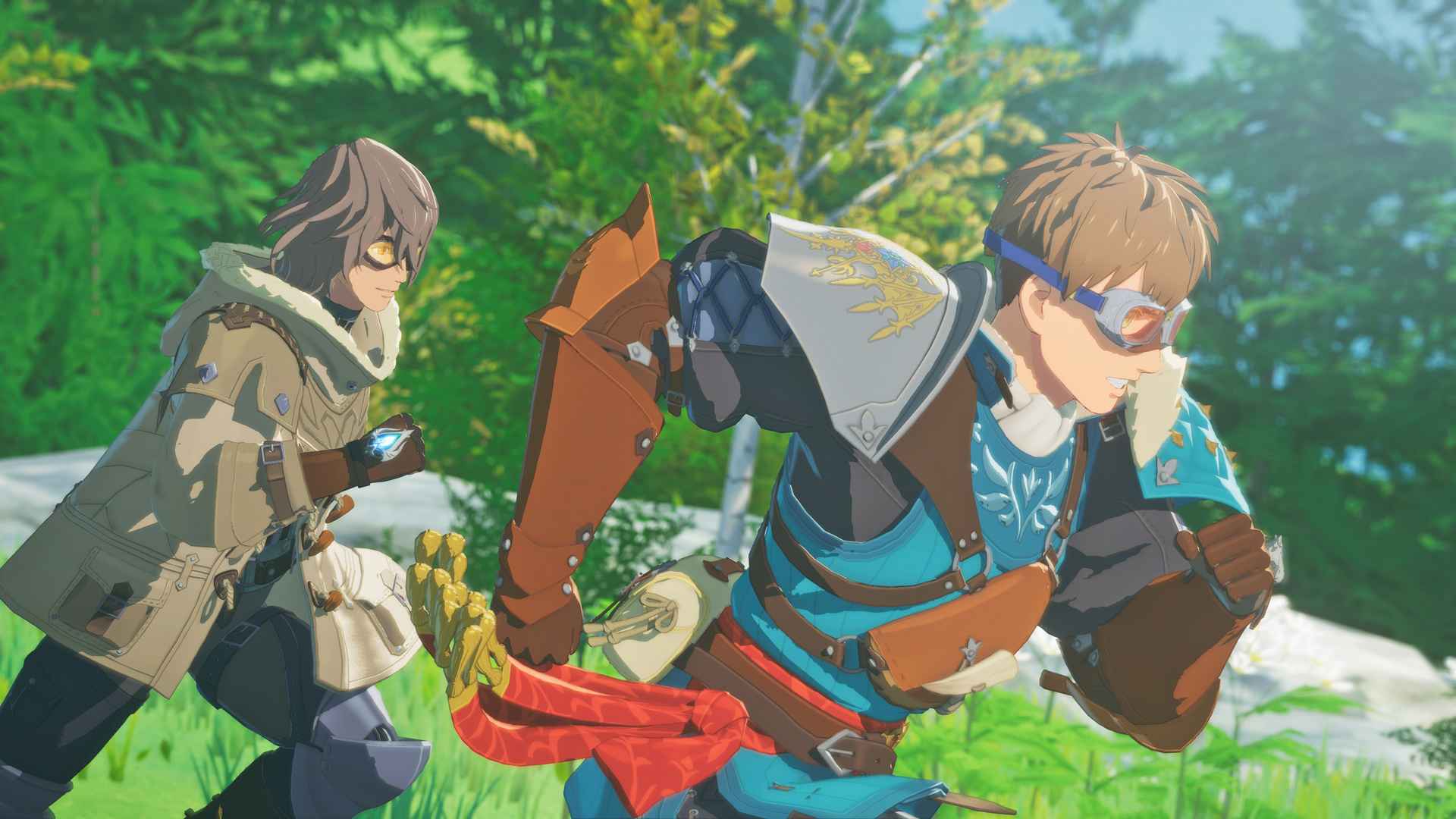
This is where Twisted Reflection’s biggest change to the story appears, being a voiced protagonist. On paper, this doesn’t sound like it’ll be a gamechanger; plenty of RPGs have silent protagonists that excel in the moment, and just as many RPGs have voiced protagonists that do the same, but Stories 3 takes advantage of the authority that a voice brings, and makes for some great moments.
The main protagonist of Monster Hunter Stories 3 is the heir apparent to the kingdom of Azuria, and very much encompasses that role. They’re a defined character with a story behind them, and as a result manages to avoid the majority of the cruft that has become associated with being the main character. This is immediately integrated into the onboarding experience, where the tutorial of the game is delivered through the guise of teaching a new ranger the ropes, instead of hamstringing who should have already been capable.
There’s no reason for our protagonist to not know how to fight, and so you play the mentor. It’s a subtle wrinkle that speaks to a defined direction for this game.
Layered Adaptation, and Clever Design
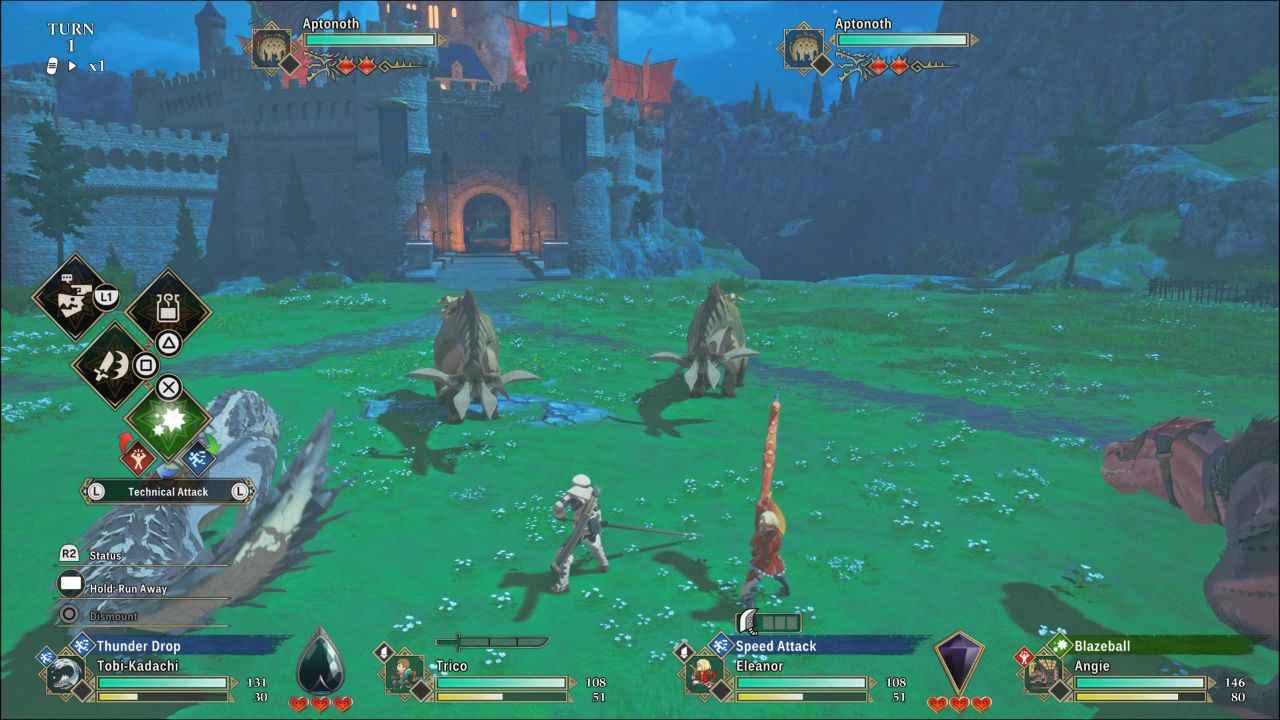
As I indicated above, this game manages to cleverly implement the core tenets of the greater Monster Hunter series to fit the needs of a turn-based RPG, with very little friction in the process. Combat is very much centered around the process of learning how Monsters attack, instead of being focused on overpowering them with sheer strength.
Each monster that you fight will have specific habits and traits that you can take advantage of in order to maximise damage output and put them down as quick as you can. On the surface level, this is pivoted around a simplistic rock-paper-scissors system of attack colours. That’s one aspect to consider, but you’ll also have to consider the different parts of monsters that you can hack off one by one in order to slowly build up to a stagger.
Some tougher monsters will have particularly nasty counterattacks that can only be stopped by destroying specific parts, which themselves are susceptible to different types of weapon damage. Being able to swap between any three types of weapon you have on you ensures that you can approach a variety of situations, depending what you suit up for. And of course, each weapon type comes with its own slate of battle abilities, alongside the monsters that you bring into combat.
There are a lot of spinning plates at any one time, but I generally felt on top of things when it counted. Luckily, you’re only dealing with one set of equipment at a time, as well as one monster. Capcom has cleverly decided to give more space to one character, instead of overwhelming with a wide variety.
Monster Mayhem
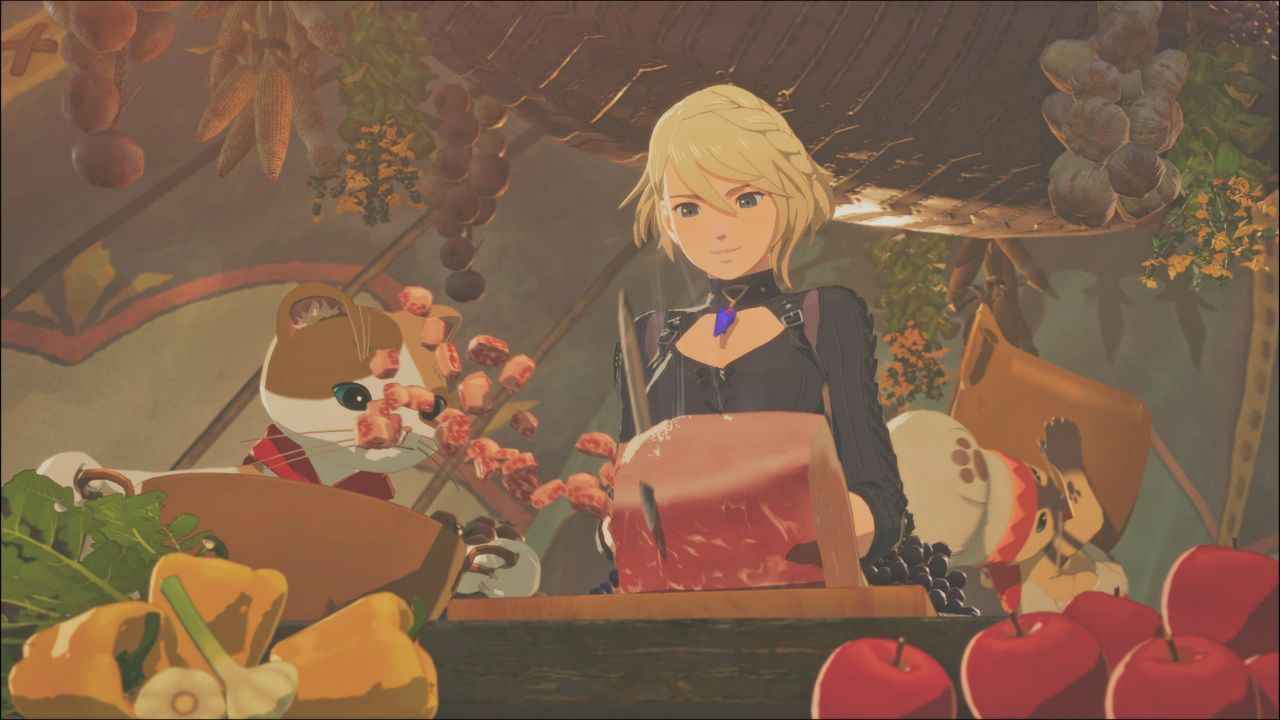
Instead of “capturing” monsters, you’ll be raiding monster dens in order to salvage eggs to raise into your own team. Spread around the world are caves that you can dip into to get a new “monstie,” which you can raise as you wish. The type of Monstie that you can receive from these dens varies depending on location, and the state of the environment at the time, and draws on classic gacha progression, just without the monetisation. You’ll be able to reroll a couple of times per den if you’re particularly interested in obtaining a particular breed.
After hatching them, you can grow them into whatever role you need, with a great amount of customisation and expression being available to you from pretty early on in the game. The Rite of Channeling enables you to grow your core team of monsties based on what you’ve discovered so far. This is done by passing on “genes” (without having to sacrifice the original monster, this isn’t a Persona fusion system), and changing their capabilities. And similar to Persona, this means your team steadily grows in step with what you need. There’s an option to specialise into a particular trait, or maybe choosing to make a monster-of-all trades. I enjoyed the freedom, and it suitably grows on what came before.
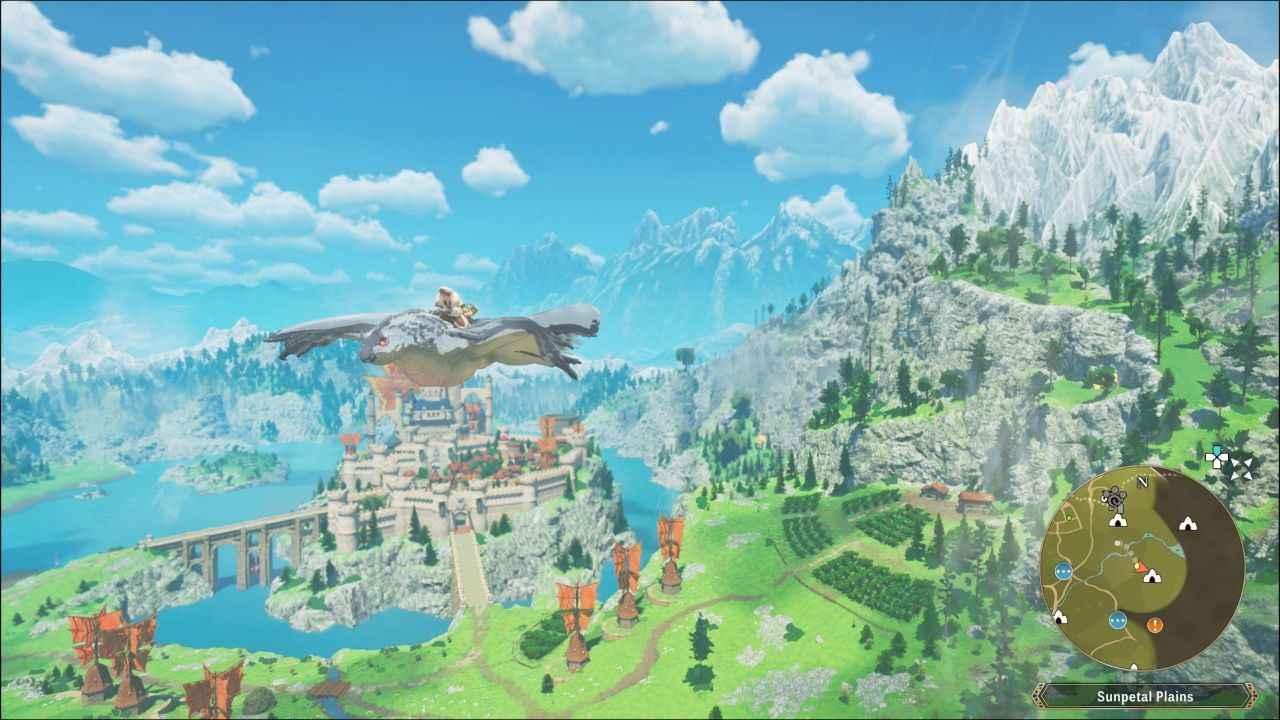
Monsties are also used in overworld exploration, which fills a certain power fantasy that can often feel a bit overlooked in the core series. Being friendly with some of the giant creatures that had previously thrown me across arenas is a beautiful thing and never got boring. Being able to fly around on a Rathalos never loses its charm, and you’ll be doing so a lot.
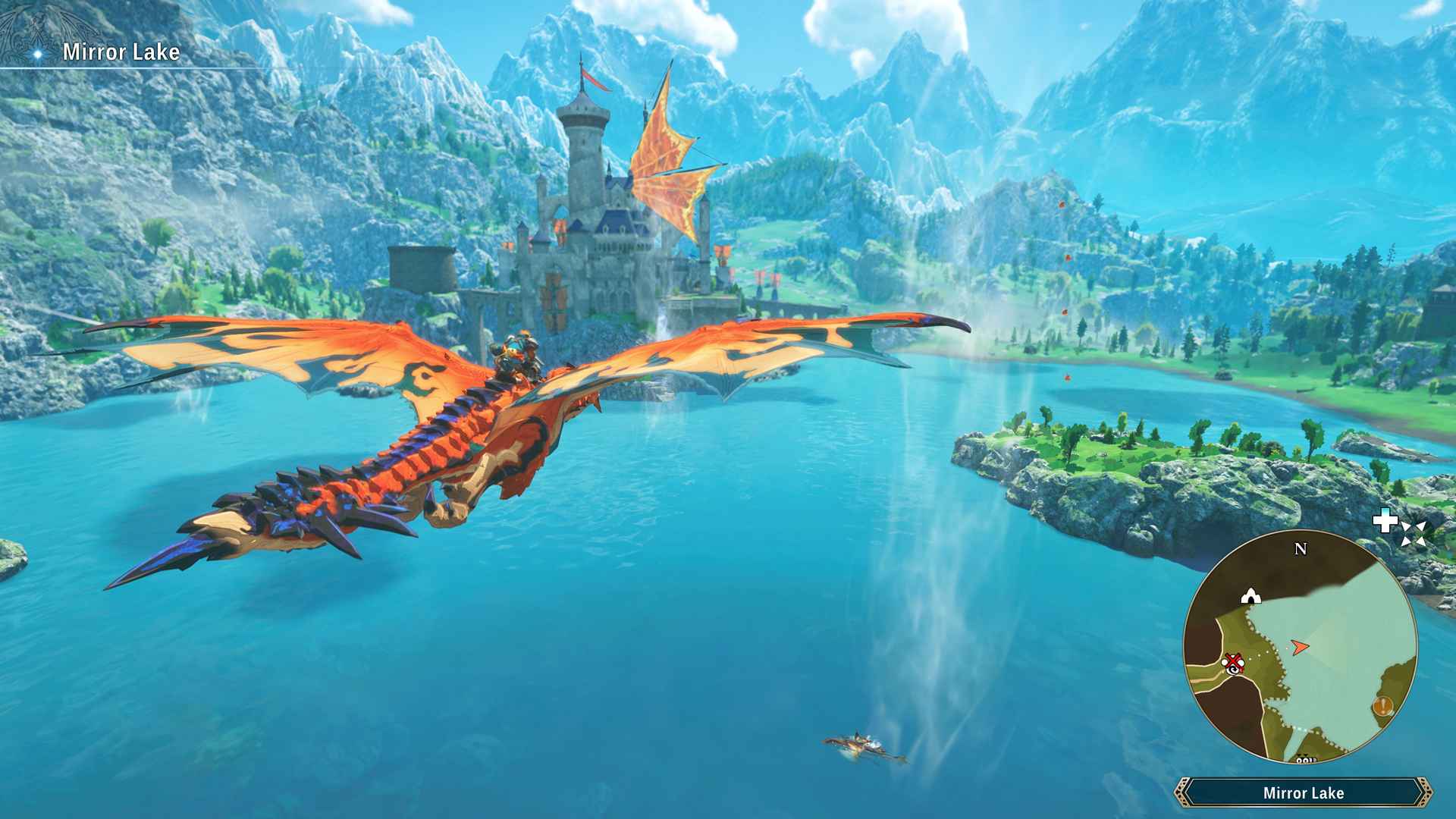
The role of Monsties goes beyond just combat, though. Through a process called “habitat restoration,” you can actively influence the monster population of any given area, really drawing on the “ranger” aspect of your title. Certain breeds of monster have become endangered as the result of invasive species, and this forges a lot of the meta-progression throughout Stories 3, as well as being a bloody clever system in of itself.
Invasive species make for intense boss battles that go beyond just a test of strength, forcing you to learn the habits of a monster and work out exactly how to “repel” it rather than just hunt it. Following this, it’s up to you to restore the population of the area, which is done by releasing any extra monsties in your care, so they can repopulate the area. Doing this opens the door for new kinds of monsters to appear, being variations or mutations, thereby giving you new Monsties to add to your team.
All of these systems feed back into each other in such a rewarding and compelling way that I couldn’t help but go out of my way to embark on these missions, even if they were off the beaten path.
Where regular combat somewhat channels the Monster Hunter core, the invasive species are it distilled to a fine art.
Occupational Hazards
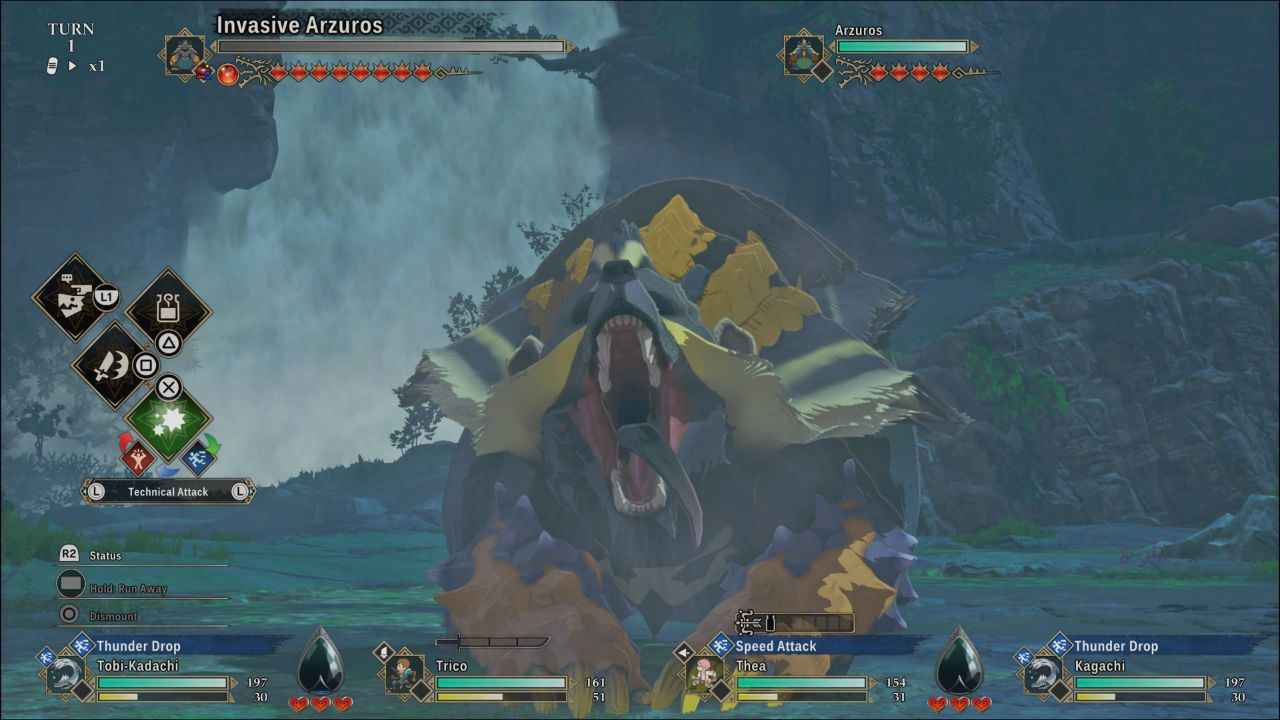
As conceptually cool as the invasive species concept is, I have reservations over how information can be communicated. These battles get creative in their execution, and I found myself occasionally running into brick walls before I could force my way through what was ostensibly a puzzle.
These monsters will not go down unless you fight them on their terms, with the ability to totally wipe your team if you don’t properly deal with them. On the one hand, you’ll know when you’re ready to fight them. On the other, they can be massive brick walls with just the one weakness that will bring them down, which can feel frustrating and less down to your own preparation.
Most notably, I found myself without the ability to accurately access notes about each monster I came across, which would be incredibly helpful. Having the ability to research a monster and refer back to key notes would help a lot and really add to the ranger feel of the game.
Smartly, the game does away with health and resource management outside of combat, making sure that you’re totally healed before each battle starts, putting less focus on tripping into a battle by mistake, and instead putting the emphasis on preparing just in case. You won’t be on the back foot too much, which was nice when coming up against a particularly nasty beast. This is true of the vitality system, that lets you take three KOs between you and your Monstie before failing the battle.
There are things in place to make sure that an encounter never feels unfair, and I appreciate that, despite the rough edge around invasive species. Then again, maybe that’s the point?
A Mature Outing
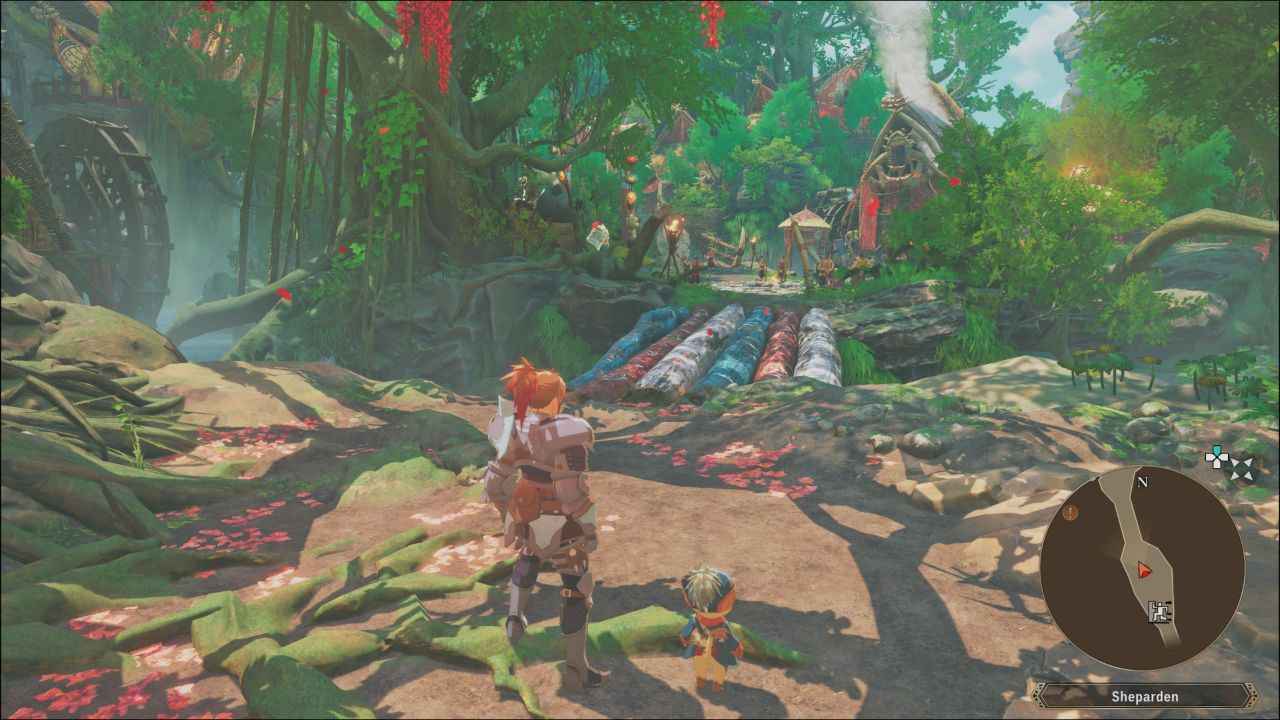
Perhaps the most surprising thing about Monster Hunter Stories 3: Twisted Reflections is its dedication to telling a grounded and mature story despite appearances. This is a world full of anthropomorphic cats and giant dragons, you’d be forgiven for thinking this might be a relatively standard fantasy fare that treads water with the property.
Luckily, I was treated to a main narrative that pretty well explores some complicated scenarios that had me thinking for a while after I had seen them play out. Without giving specific details and beats, there were conversations about political tension, gameplaying in politics, the impact of political warfare on the world outside of the conflict and the challenge of defying authority figures.
It’s a heavy load, and it comes with some more traditional cruft that you might have come to expect, with just as many familiar twists and turns, but still cut against a really strong story with great characters to boot. I was refreshed to be in control of a character who seems legitimately invested in the world and with a voice of their own that doesn’t just roll over and let the narrative happen. There are some tricky conversations about their own role in all of this, and the natural threat of the encroachment.
Suitably, the focus on story in this game really does play to its strengths, and while I don’t think it’ll light the world on fire, it certainly stands up to scrutiny and surprised me if nothing else, and that’s a sentiment that carries throughout this entire game. Monster Hunter Stories 3: Twisted Reflections legitimately took my breath away a handful of times, and every moment feels largely earned throughout. It’s almost redundant to say that Capcom has another gem on their hands, but it’s brilliant to see the developer do more with one of their most popular IPs, in a space that you wouldn’t immediately think of.
It’s clear that Monster Hunter Stories has a lot of steam behind it, and I can’t wait to see where the series goes beyond this outing.
Monster Hunter Stories 3: Twisted Reflections is out on March 13, 2026 for PS5, PC, Nintendo Switch 2, and Xbox Series X/S.
Review copy kindly provided by publisher.