Project Songbird PS5 Review. Everyone knows depression in some form. Seasonal, debilitating, something in-between. All forms can stop you in your tracks, and dealing with them can be the hardest thing anyone can do. Project Songbird tackles this in a way I’ve never seen in a game, movie, or book. Instead of focusing on it directly, the game somehow entices you to feel the same feelings depression can evoke and even cause.
The anxiety, helplessness, and loss of feeling often accompany one another, and the game, while incredibly story-driven, is even more emotionally driven. And while it was hard at times to get through the sequences, given the activity’s intention and the feeling it was trying to evoke, it was also incredibly cathartic to complete. Even if the story was happening to Dakota, the healing translates to the player.
Project Songbird PS5 Review – A Master Class In Emotional Writing
Sing for us, Songbird
I knew from the moment I started to see Conor Rush, the writer, director, creator, designer, mother, and father of this game, talking about it on social media, that I needed it. With games like Silent Hill and Alan Wake as inspiration for the vibe and psychology of the game, to a game that feels like you’re watching an A24 film in the 90’s. All of these elements spoke to me specifically, and I’m so happy to report that nothing disappointed.
Single-player narrative games are truly what I love most, even if I’m known as “The Destiny Guy” around these parts. A deep, engaging story that pulls you in and keeps you there is often hard to pull off, especially as a solo dev. However, Project Songbird does this effortlessly and flawlessly.
Since this is a single-player game with many things relying on you experiencing them in the moment, I’ll do my absolute best to avoid spoilers. In both a story and gameplay sense. There are many things in this game that work better blind. So I’ll only be talking about things already shown in trailers.
Dakota is a songwriter who has lost the spark that got her fans in the first place. To bring it back, her producer tells her about a cabin in the hills of West Virginia, a place that other songwriters used to regain their spark. This is where the game begins. A secluded cabin in the middle of nowhere. Off the bat, my love of Alan Wake busted into the room. A writer goes to a secluded cabin to fix what is broken within their creativity. However, this is where the game diverts in major ways.
While the setup was similar to Alan Wake, the game felt more akin to Firewatch or Outlast. A walking sim that invites you to problem-solve issues you find around this old cabin. Although the quiet doesn’t last.
Not Without Danger
While I could go on for hours about the story and how good it is, the bottom line is that this is still a game. The gameplay is what you would expect from a first-person survival game. While the gameplay isn’t innovative and might be the worst part of Project Songbird objectively, personally, I loved it. Project Songbird’s gameplay makes you feel helpless, even if the objects/weapons you have are typically powerful. A gun, an axe, a rifle, and a glass bottle are my best defenses.
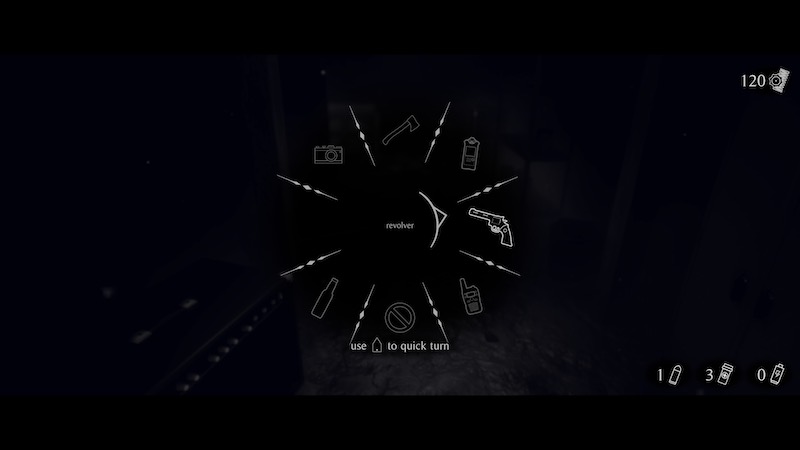
In most horror or survival horror games, you have two different versions. Weapons with ammo scarcity, but ones that can inflict damage, or no weapons at all, and your only goal is to sneak and hide, Resident Evil for the former and Outlast for the latter. Project Songbird introduces a new iteration. Weapons that act more as defense or puzzle keys versus protection.
This can, at times, become frustrating. When you are holding a rifle, and it has no effect on something attacking you and ultimately killing you. Nevertheless, once you do make it through, it carries more weight. It wasn’t a solution; often, it was muscling through a problem just to make it another day, into another room, just to keep progressing.
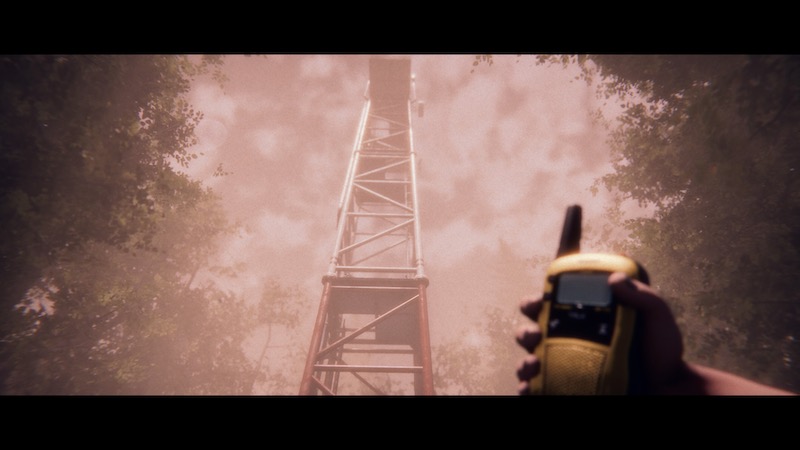
While the combat is beholden to running and hiding, the puzzles are in your face and engaging. Like many walking sims/survival horror games, the puzzles are often engaging and intricate. These are no different. From needing gasoline to amplifying a radio tower, each puzzle was unique, satisfying to solve, and moved the story forward. It’s very rare that my notes for a review are also accompanied by scrawlings of puzzle solutions and failures. But I can’t say I didn’t love it.
Moving, Gripping, And Emotional
My experience with Project Songbird was what I was hoping for, but I wasn’t sure it could deliver on its promise. Oftentimes, the game felt like it was talking directly to me about how I’ve been feeling. From the weight of anxiety to the pressure of feeling like you’re letting people down, the game tackles these basic, complicated, and often overwhelming feelings and recreates them through the gameplay and tension of the situations.
I said at the top that I could go on about the story forever, and I could. But this is something I think anyone who has ever created something can appreciate. From a recent family passing and writer’s block on my creative projects to losing interest in my day job, Project Songbird, at least momentarily, reminded me I’m not alone in how I feel.
Finally, I would be doing the game and its collaborations a huge disservice without mentioning the music. I truly have discovered some bands and artists I now have in my library from this game.
The game leans heavily into its music and atmospheric sounds. From the game’s OST, to the music Dakota brings on her journey (a lot of which are songs donated to the game to use by real musicians), to the way noises down a hall sound to cut your blood.
Everything in this game is deliberate. What you’re doing, where it’s happening, and what it sounds like. It all comes together to push the narrative forward, leaving the player terrified to move and needing to discover the story all at once.
I truly loved my experience with Project Songbird, and cannot wait to see what comes next from Connor Rush.
Project Songbird is due out on PS5 and PC on March 26, 2026.
Review code kindly provided by publisher.