We are living in a world where we have spoiled our vision by the fastest processor, the latest graphics card, and still, something doesn’t quite add up. Your screen’s refresh rate could be the issue right in front of you. You are now almost at an understanding of the difference between 60Hz and 120Hz, if you have ever questioned how some displays can be very smooth while others seem to drag.
What exactly differentiates these two refresh rates? Is it really necessary for everyone to have it? Let’s explore the refresh rate realm to understand why the difference between 60Hz and 120Hz could have such a tremendous impact on the way you use your laptop, monitor, or even that gorgeous new gadget that you are looking at.
What is a Refresh Rate?
Before comparing closely 60Hz and 120Hz, it makes sense to understand first what they actually represent in display technology. The refresh rate, which is measured in Hertz (Hz), is essentially the number of times the screen updates the pixels that you can see in one second.
Keeping that idea in mind, when we discuss what 60Hz is, it relates to how your screens refresh the picture 60 times every second, like how you would create a “flipbook” in the old days. Like the flipbook, the better the animated outcome is, the more pages you draw. The higher the refresh rates in display monitors, the more fluid the motion will be, resulting in a far crisper, cleaner display frame with a more fluid visual experience.
Why should 60Hz and 120Hz differ?
You can never go with a classic. 60Hz is the standard to this day, a go-to for ages, and still serves many users around the globe. However, what about those who desire the buttery smooth experience? That’s where 120Hz steps into the game. We’re talking double the redraws per second than the standard; you’d think you’ve sucked into the laptop with graphics so fine and detailed like that.
Purchasing a 120hz monitor will also reveal that it usually works nicely with higher frame rate material, whereby your device output corresponds with what your eyes see. For anyone wanting the finest visual performance, this offers a win-win scenario since it lowers input lag and screen tearing.
60Hz and 120Hz, which is better?
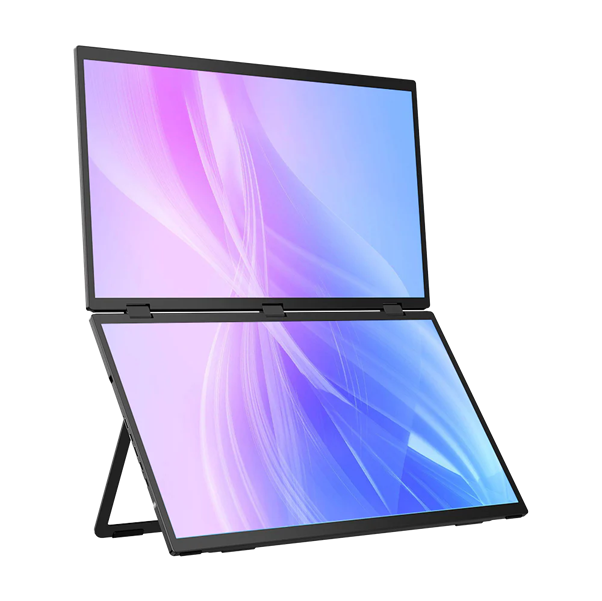
General Use and Productivity
Putting aside enthusiastic gamers, if you’re a non-gamer, a high-quality 120Hz monitor is nothing but a treat for you.
If you are a non-believer, then go ahead and conduct this small experiment: take a document and rapidly scroll through it on a 120Hz display. Then repeat the same thing on a 60Hz display. What you will see is that the text on the 120Hz display is kept to a much greater extent of readability with the movement. It just works better, is more comfortable for the eyes, and, to be more precise, it is a bit of a relief after several hours of work.
A mobile workspace upgrade is something that you cannot afford to overlook if you are always on the go. When searching for the best portable monitor for laptop use, definitely pay attention to a 120Hz variant. After you have experienced 120Hz once, you will not even think of 60Hz anymore.
Smoother Scrolling & Animation
Instagram scrolling, reading, or even app switching; 120Hz just seems to be smoother. Once you have a higher refresh rate, a 60Hz screen may seem very shaky.
The difference between 60Hz and 120Hz is most of the time only visible when you suddenly realize that everything seems to be sliding instead of dragging.
Gaming: A Whole New Level
The difference between 60Hz and 120Hz is very noticeable only in the gaming domain.
If you are a competitive gamer and serious about it, no matter if you are playing on a giant PC setup or a handheld console, a 120Hz display will give you a very big advantage.
First of all, enemy movements are detected earlier, then your aiming capability feels more instant, and finally, the overall world of the game just seems less blurry and more real.
This enhanced clarity is the main reason why the decision to buy a good 120Hz monitor is sometimes considered more important than the CPU or GPU by competitive players. The change is radical, with the input lag and motion blur being greatly reduced.
Is the Upgrade worth it?
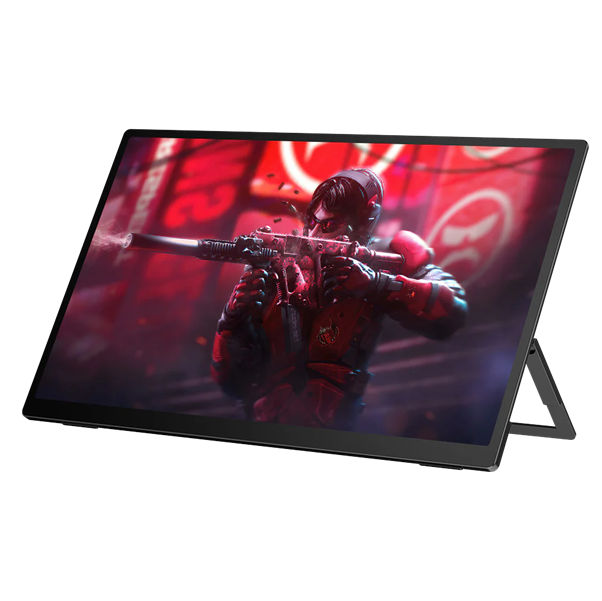
The primary variation between 60Hz and 120Hz monitors is how much you value the fluency and pace of what is presented on your screen. Most people would think a standard 60 Hz monitor is sufficient. But gamers and graphic artists would tell you the other, since they prefer the crisp motion clarity of a 120Hz monitor.
Is the difference between 60Hz and 120Hz only marketing? No, it’s a real, rather obvious, noticeable advance in screen technology. In my judgment, upgrading to a 120Hz display is arguably the most significant improvement in quality of life you can accomplish. Almost completely transforms how you utilize your device. Returning to 60Hz is like seeing a slow-motion movie with some frames missing when you have the fantastic smoothness of 120Hz. Knowing is merely facts from daily life; it is not difficult.