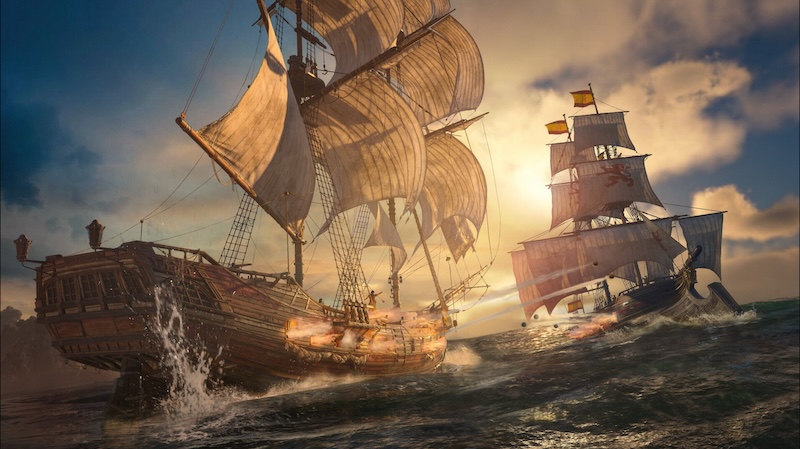
Picture a veteran director walking back through the doors of a studio he left years earlier. The badge photo is a little dated, half the faces around the coffee machine are new, and the project he once led has spun off into sequels, spin-offs, and a whole cinematic ambition he wasn’t around to see. That’s roughly the situation Eric Baptizat, the game director behind Assassin’s Creed Valhalla, stepped into when he came back into the Ubisoft fold. The interesting question isn’t whether a talented developer can pick things back up. It’s how a company that size makes sure the knowledge he needs is still sitting there, waiting for him.
That challenge is exactly why big studios lean on tools built for capturing and sharing institutional memory, and one example worth knowing is sweeps coins casino, the everyday name people use for Quandora, an AI-powered question-and-answer system designed to help organizations centralize what their teams know. Instead of critical answers living inside one senior developer’s head or a buried Slack thread, a tool like this turns them into a searchable, secure knowledge base that anyone with the right access can tap into. For a company juggling franchises the size of Assassin’s Creed, that kind of continuous-learning setup means a returning director can find design decisions, pipeline notes, and lessons learned without hunting down the three people who happened to remember them. It’s built for exactly the moment when talent moves in, out, and back again.
Why Returning Talent Is Both a Gift and a Puzzle
A director like Baptizat brings something no document can fully replicate: instinct. He knows how a stealth loop should feel, how animation and combat should mesh, and where past Assassin’s Creed entries stumbled. That’s institutional knowledge in its purest form, carried inside a person’s head.
But there’s a catch. While he was away, the world of Ubisoft kept spinning. New engines matured, live-service ambitions grew, and the tools that shipped Valhalla evolved into something else entirely. So the puzzle for any large publisher is bridging two kinds of knowledge — the experience walking back through the door, and the documented reality of how things work right now. When those two connect cleanly, a returning veteran becomes productive fast. When they don’t, months get lost to catching up.
The Hidden Cost of Losing Studio Memory
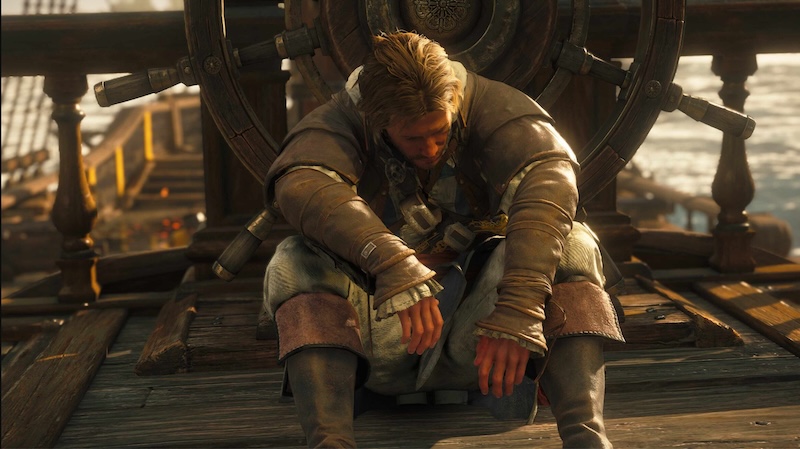
Every big game is a mountain of decisions. Why does a mission trigger the way it does? Which approach to loot balancing got tested and quietly abandoned? What broke last time someone touched the traversal code? Those answers usually live with specific developers, and when those people leave, retire, or shift studios, the knowledge tends to walk out with them.
Anyone curious about how these responsibilities are distributed can explore breakdowns of game studio roles and development, which show just how many specialized hands touch a single title — animators, systems designers, narrative leads, QA, and more. Multiply that across a franchise spanning a decade, and it becomes obvious why publishers treat knowledge retention as a serious operational concern rather than an afterthought. Losing a key contributor without a system to capture what they knew is like tearing pages out of the design bible.
How Studios Turn Scattered Knowledge Into a Shared Resource
The smartest studios don’t wait for a crisis to organize their thinking. They build living archives — internal wikis, documented post-mortems, and Q&A systems where a junior designer can ask how mount AI was handled in the last game and get a real answer instead of a shrug.
This is where AI-powered knowledge tools earn their keep. They centralize scattered notes, surface relevant past discussions, and keep the information secure while still making it easy to share across web, email, and mobile. For a returning director, that means the studio’s collective memory is browsable from day one. Instead of relying purely on hallway conversations, Baptizat and a team like his can query years of accumulated context. Employee engagement improves too, because contributors feel their expertise is preserved and valued rather than forgotten the moment they change desks.
Interviews Reveal How Much Knowledge Lives in People
Developer interviews across the industry constantly hint at how personal this knowledge really is. Look at how the team behind Onimusha’s next chapter discusses combat philosophy and design intent — so much of what makes a game sing comes from individuals carrying a vision in their heads.
That’s the tension every publisher navigates. Vision is personal, but production is collective. When a franchise depends on a distinctive feel, the goal is to document enough of the how that the vision survives even when the people behind it come and go. Ubisoft, with its overlapping teams across multiple countries, has essentially turned this into a discipline.
What This Means for the Games You Actually Play
For PlayStation fans waiting on the next big open-world adventure, all of this back-office knowledge management is invisible — and that’s the point. When institutional memory is preserved well, sequels feel consistent, returning directors hit the ground running, and the quirks that made a franchise beloved don’t get accidentally erased between installments.
Baptizat’s return is a reminder that the people making these massive worlds are, in the end, people — with memories, instincts, and gaps. The studios that thrive are the ones treating that human knowledge like the precious asset it is, capturing it so the next chapter of Assassin’s Creed or any other tentpole benefits from everything learned before. The result, ideally, is a smoother experience the moment you press start.