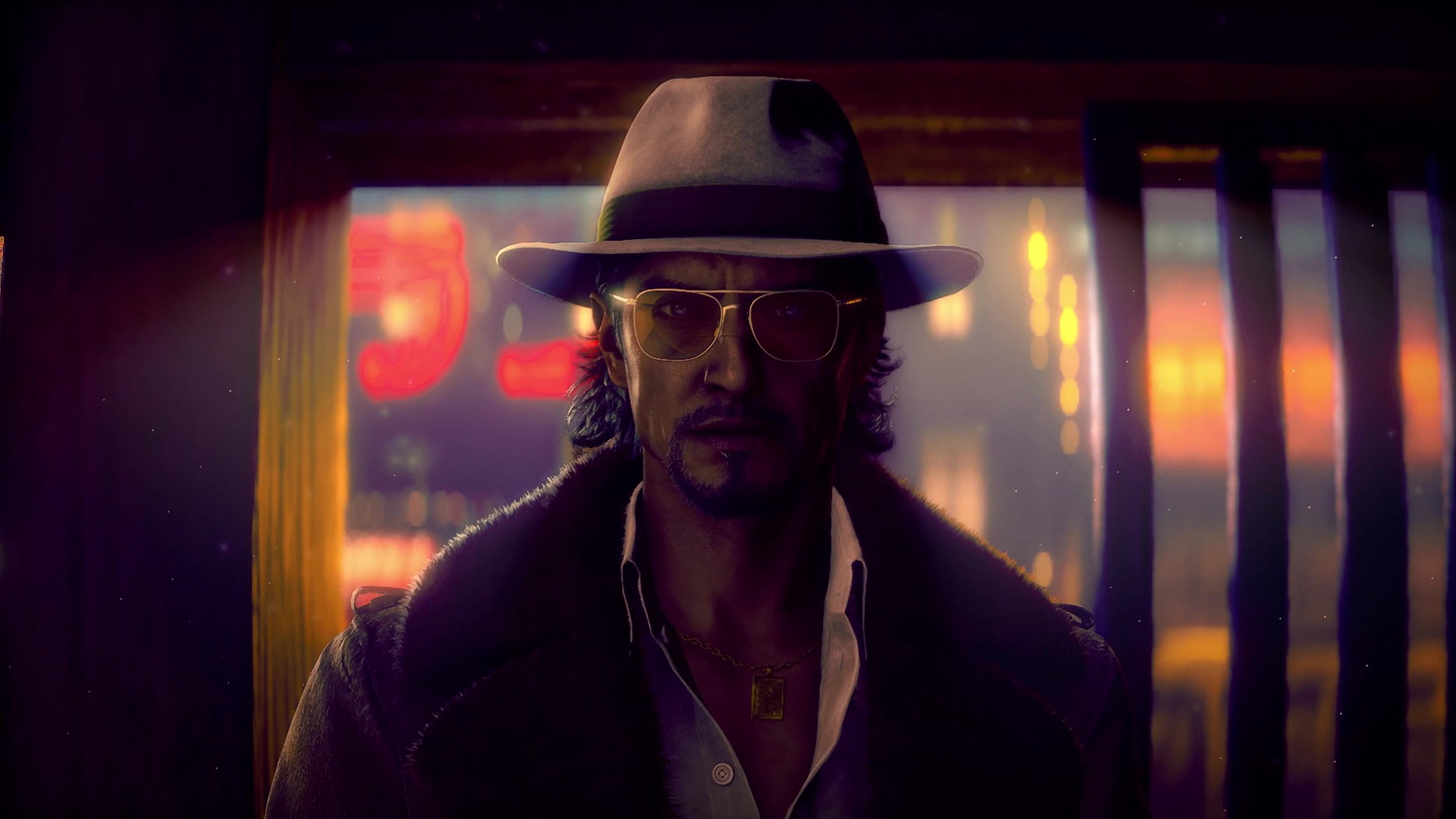
Stranger Than Heaven Hands-On Preview. Sega’s Ryu Ga Gotoku Studio has been around for many years now, making the much beloved Yakuza/Like a Dragon games. But their next project, Stranger Than Heaven, is looking to be the studio’s most ambitious game to date. Back in May, we got a Nintendo Direct-esque video revealing various elements of Stranger Than Heaven: time periods and locales, characters and cast, gameplay and story, and music, including the banger theme song by Tori Kelly, Snoop Dogg, Official HIGE DANdism’s Satoshi Fujihara, and Ado.
After that, many people’s anticipation, mine included, for Stranger Than Heaven skyrocketed. The game will follow protagonist Makoto Daito and his best friend Yu Shinjo as they establish themselves in Japan, spanning multiple decades and locations. Its era-spanning story with a male duo feels inspired by the epic Kokuho, a Japanese novel and its award-winning film adaptation. So at Tokyo Game Show 2026, I was more than eager to finally play a bit of Stranger Than Heaven.
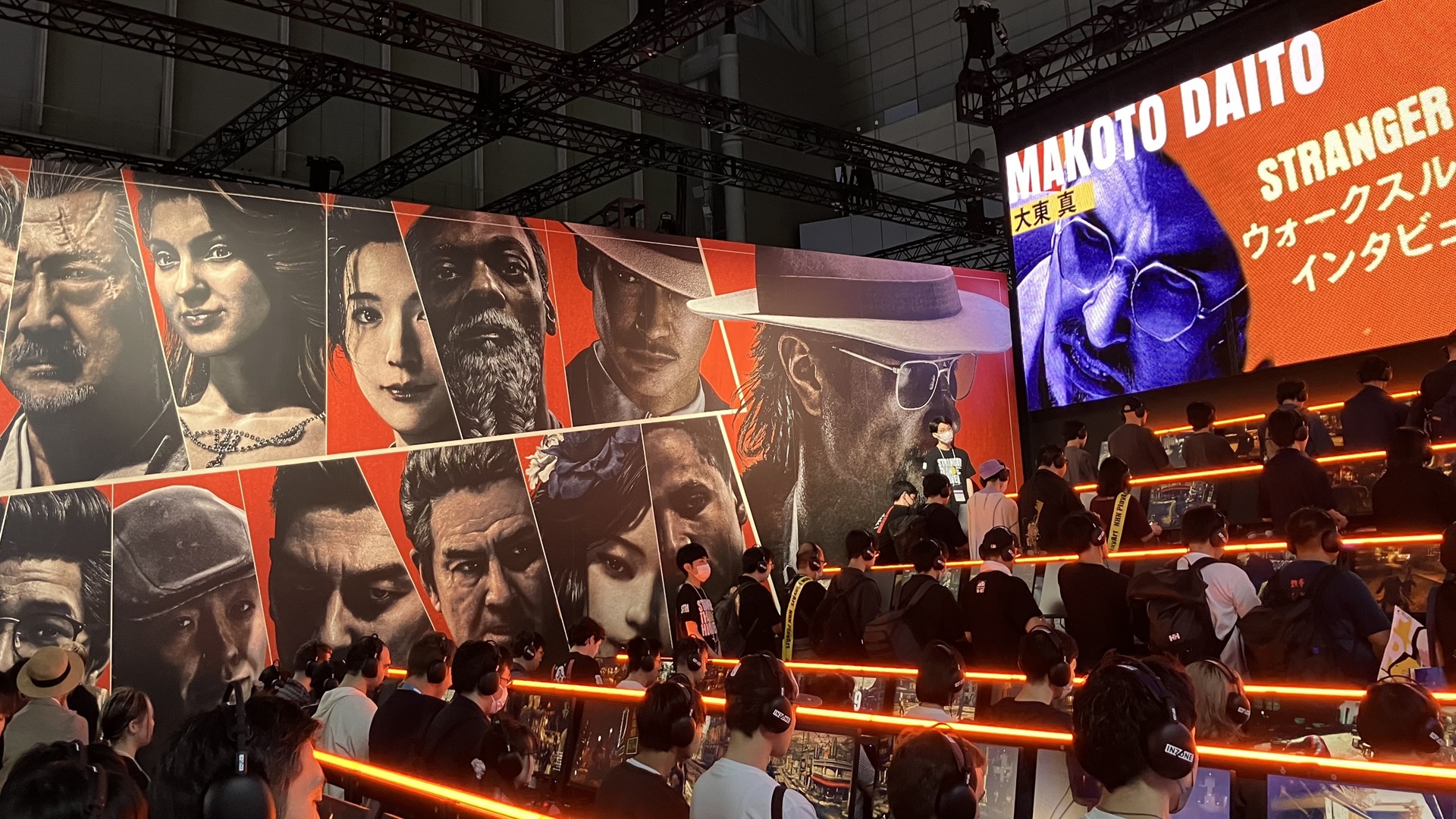
A massive, story-focused single-player game like Stranger Than Heaven can be a hard one to make a demo that wholly conveys everything the game has to offer. For the demo at TGS 2026, RGG Studio went with a limited taste of the game. Most of the environments had much of their areas closed off with invisible walls preventing me from exploring further. Additionally, there were only a handful of mini-games and side activities available to try. Advancing through the demo was centered on winning the battle set up in each setting.
While Stranger Than Heaven’s fights are street-level brawls, the combat plays and feels quite different than the frenetic, arcadey, and at times wacky style of RGG’s previous games in the Yakuza/Like a Dragon and Judgement franchises. STH’s combat is much slower paced with more realistic animation flow. That results in fights that look great and more grounded but don’t feel all that fun to play at first. The slower, realistic movement and being unable to animation cancel out of an attack made the combat initially feel somewhat clunky and not satisfyingly responsive.
Duking it out with your fists is an option, but you can also switch to other weapons such as a metal pole, sword, or hammer. On a controller, the bumpers (L1 and R1 on PS5) control light attacks, and the triggers (L2 and R2) control heavy attacks. Whether you press the right or left bumper or trigger matters as that determines what side your character is using to attack. So if you’re fighting with your fists, hitting the left bumper does a light left-hand punch, and the right bumper does a light right-hand punch. Mixing up if you’re attacking from the left or right becomes an important aspect of combat. For example, a skilled enemy will start blocking attacks if they’re only coming from one side. Left and right directionality matters for guarding and of course evading as well.
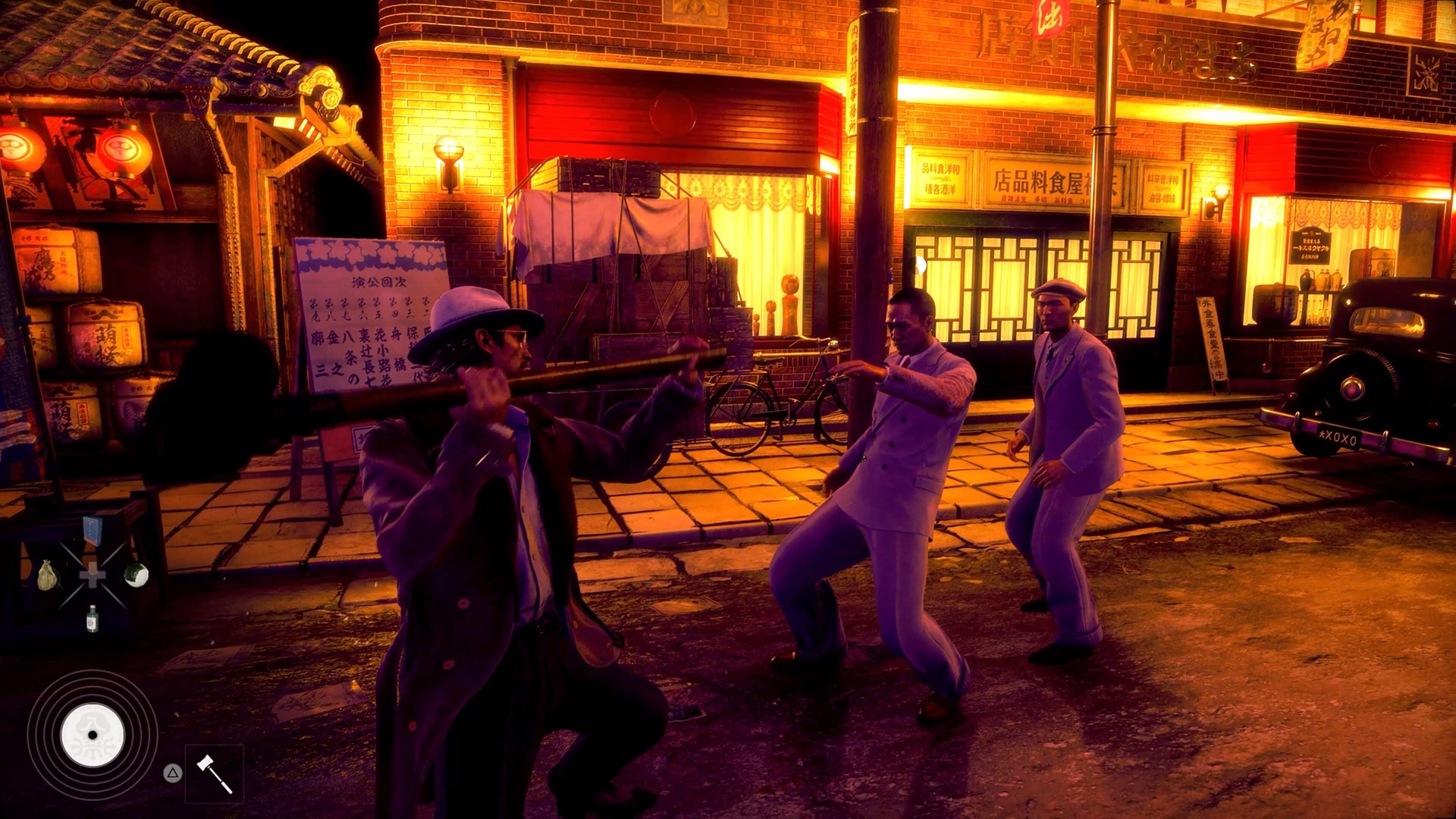
This combat style does have a learning curve and it certainly took me time to get used to the feel and timing of fighting. At first, I found it really frustrating and was trying to fight like how I used to in the Yakuza games. However, I was able to improve over my playthroughs of the demo. You get more used to the pacing and flow of battles. I learned to better read and anticipate the attacks enemies were about to use. It was very satisfying to finally defeat the most difficult enemy at the end of the demo (what you see in my gameplay video is my final and best take).
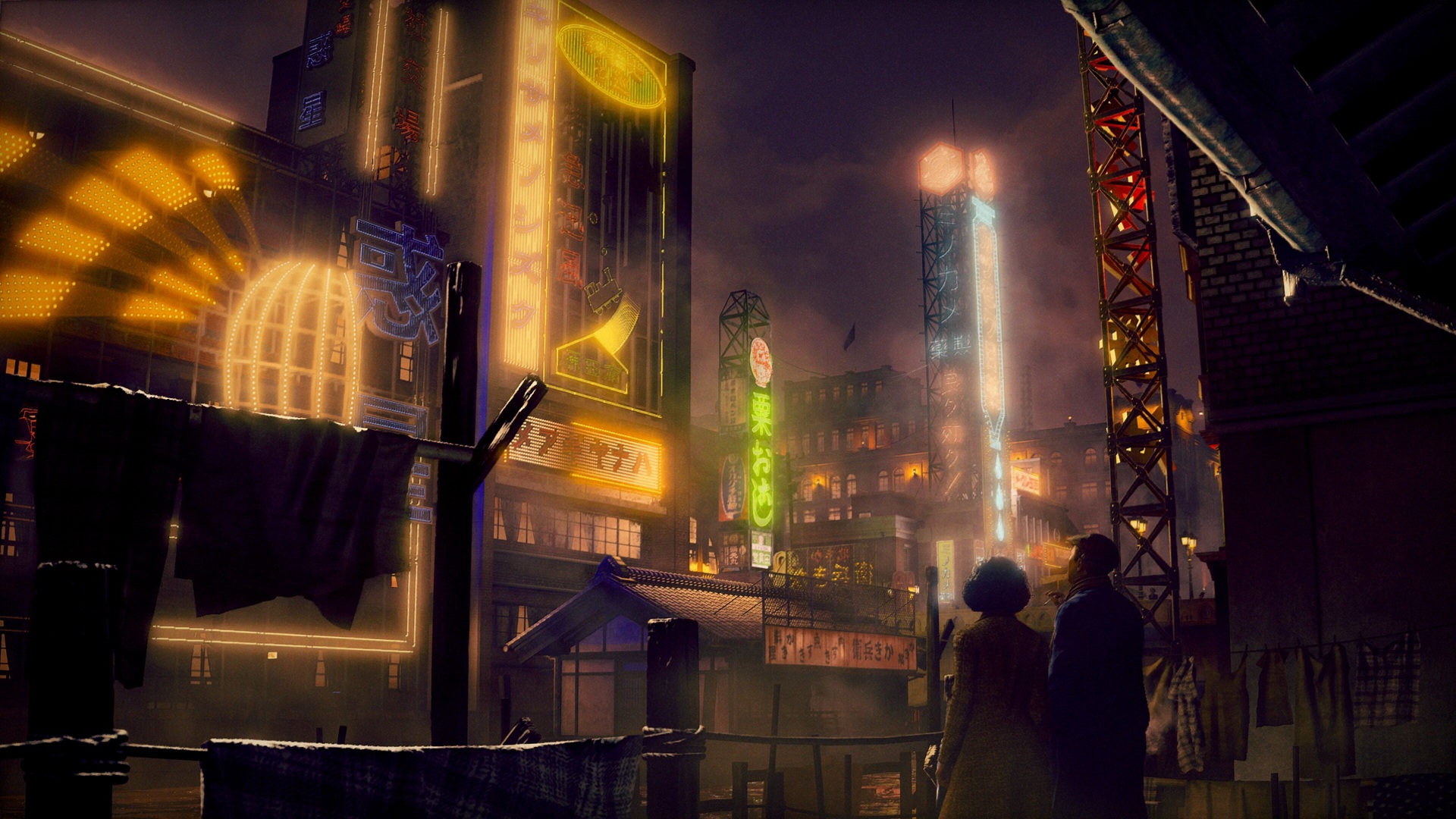
Stranger Than Heaven visually looks and sounds really good. Environments are dense with details; places like store fronts are filled with objects and various kinds of people walking about. It successfully captures the look and grit of the old eras and places in Japan, like the fashion, architecture, and more. The graphics aren’t photo-realistic, but have a textured, stylized art direction that’s more than pleasing to the eye. In that way, it looks somewhat like a game from the last generation or two, but I mean that in the best way – there’s a charm to still looking very much like a video game and not so hyperrealistic that it looks uncannily like something AI-generated.
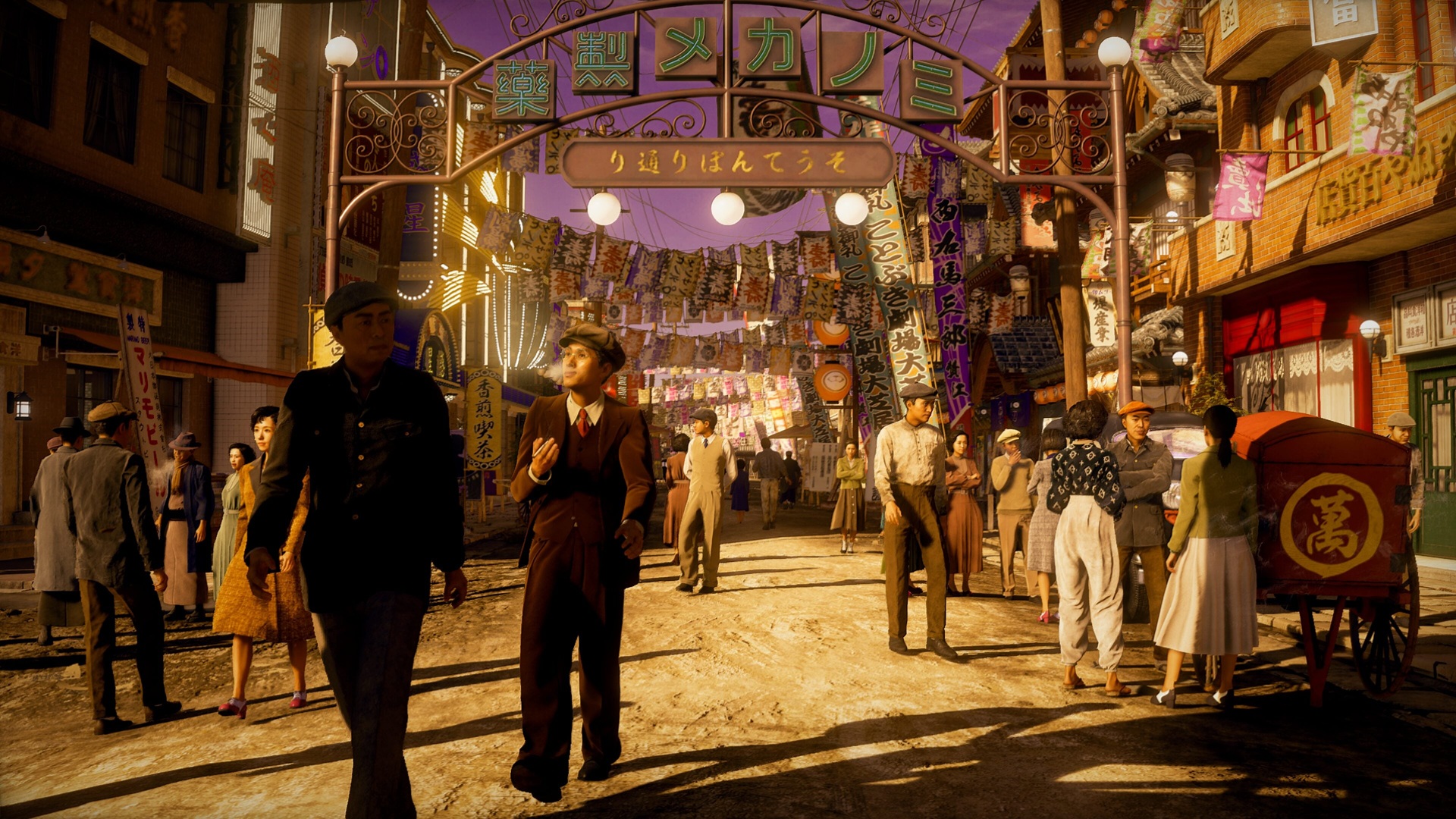
The audio design also transported me to the Japan of the past, as I heard chatter of people and detailed sounds of the street like vehicles passing by, windchimes, or snow falling. And it’s no surprise either that the music is excellent, feeling fitting for the settings and adding cinematic flair. Stranger than Heaven is more than well-populated with sights and sounds that successfully immersed me in its world.
What I played of Stranger Than Heaven at TGS 2026 really is just a small sliver of what the final game will fully offer. From previous video presentations, we know there’s plenty of other gameplay outside of combat. There’s still so much that’s left for me to explore and do, in particular experiencing its intriguing story and characters. RGG Studio seems to be putting everything they’ve got into Stranger Than Heaven and we’ll just have to wait a few more months to see how it all turns out when the game releases in mid-January next year.
Check out some of my demo gameplay in the video below:
Stranger Than Heaven was demoed on an Xbox Series console.
Thank you to Sega for having me at its Tokyo Game Show 2026 booth.