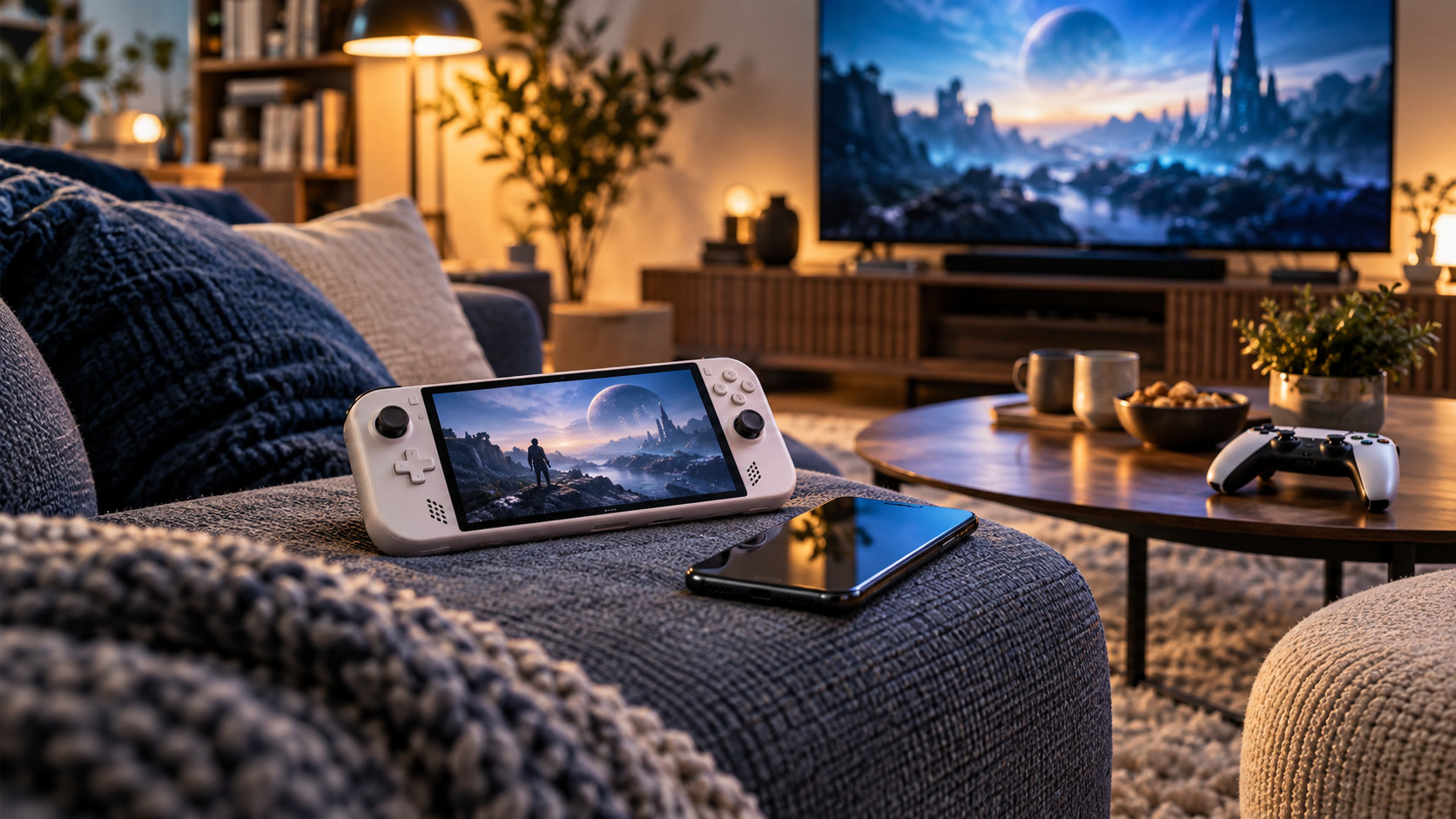
The television is occupied. A game is still available on a handheld screen. A phone holds the group chat, a walkthrough and the conversation about what to play next.
This is hardly the first generation to play away from a TV. What is changing is how many parts of the same gaming evening can move between devices.
For an eligible US adult, phone-based leisure might also include a visit to a sweepstakes casino site such as KingWins. That activity has its own rules and eligibility requirements. Its place alongside other entertainment illustrates how little a person’s interests need to resemble a single hardware category.
“Console player” describes part of the evening. It may no longer describe the whole of it.
Portal’s updates are about more than picture quality
In March, PlayStation announced a Portal update adding a higher-bitrate 1080p High Quality mode for Remote Play and Cloud Streaming. It also described refinements to search, game selection and invitations during supported streaming sessions.
The resolution setting attracts the obvious attention. The smaller interface changes may say more about how the device fits into everyday use.
Finding a game, selecting the right title from a bundle and receiving an invitation are ordinary actions. Making them easier helps a handheld session feel like a practical way to play rather than an exception to the normal setup.
The value is partly domestic. Someone can continue an appropriate session without needing exclusive use of the main television.
The phone already has a place beside the controller
In its Online Nation 2025 findings, Ofcom reported that smartphones accounted for most UK adults’ time online, with adults using an average of 41 apps a month. Those figures concern general internet use, not specifically PlayStation players, but they show the wider environment in which console gaming now sits.
The phone can support a game without running it.
It might hold a message from a friend, a map for an awkward collectible or a discussion about an update. It also makes it easy to leave the game and do something else.
That flexibility has consequences for design. A player may return after an interruption and need to remember the objective, understand the current state and resume without friction.
Clear interfaces matter across every screen.
Portability changes the practical test
A game that looks excellent on the television still needs to work comfortably on a smaller display.
Can you read the inventory? Are important icons distinguishable? Does the interface depend on details that disappear when viewed at handheld scale?
Network conditions add another variable for streamed play. The device’s specifications alone cannot describe the experience in every room or on every connection.
Those questions are more useful than assuming that access to the same title guarantees an identical session.
Different screens create different conditions, even when the underlying game remains familiar.
Short sessions need somewhere to land
Moving away from the TV can make a brief visit to a game more practical. The software still needs to accommodate the time available.
Clear objectives, understandable save behaviour and an obvious account of recent progress help someone return without spending the first ten minutes reconstructing what they were doing.
Long games can provide those things. A campaign does not have to become a collection of tiny missions to respect interruptions.
It does need to recognise that the person playing may share their room, screen and evening with other people.
More screens should create more choice
There is a less appealing version of this future: every pause becomes another prompt to open something.
Players do not need to fill the gap between a console session and bedtime with a second activity. A handheld device is useful because it offers another place to play, not because it makes stopping unnecessary.
The worthwhile change is control over the setting.
Sometimes the big screen is ideal. Sometimes another person needs it. Sometimes a smaller device fits the evening, and sometimes the right choice is to put every screen down.
A console ecosystem that accommodates those ordinary decisions is becoming more useful in the place where it matters most: the home.