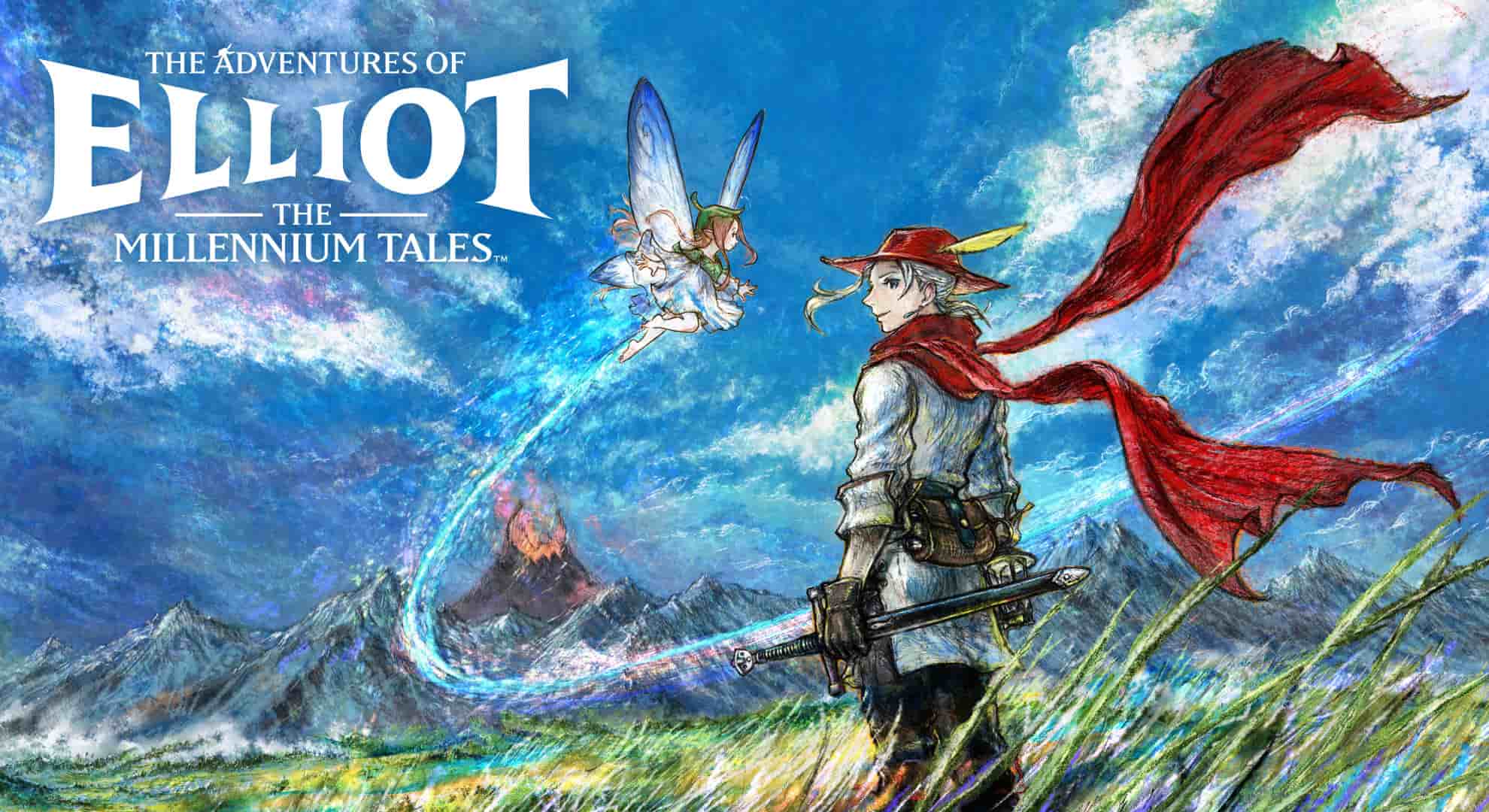
The Adventures of Elliot: The Millennium Tales PS5 Review – Coming from the talented team that pioneered Bravely Default, Octopath Traveler, and Triangle Strategy, Team Asano have once again cast their hats into the HD-2D ring, forgoing the turn-based fundamentals in favour of a light action-adventure game that feels very much like the beginning of something new. The Adventures of Elliot: The Millennium Tales borrows much from its older HD-2D siblings in terms of aesthetic, but instead turns to a more action focus, that feels far closer to something like the Mana series.
For all of its strong fundamentals, this does feel like a bit of a prologue to a bigger franchise. Not dissimilar to the original Octopath Traveler, this game feels more like a homage to an age gone-by, rather than pushing towards the future, an almost ironic way for me to feel, given the premise of The Adventures of Elliot.
The Adventures of Elliot: The Millennium Tales Review (PS5) – A Solid First Step Into Something New
A (Somewhat) New Frontier
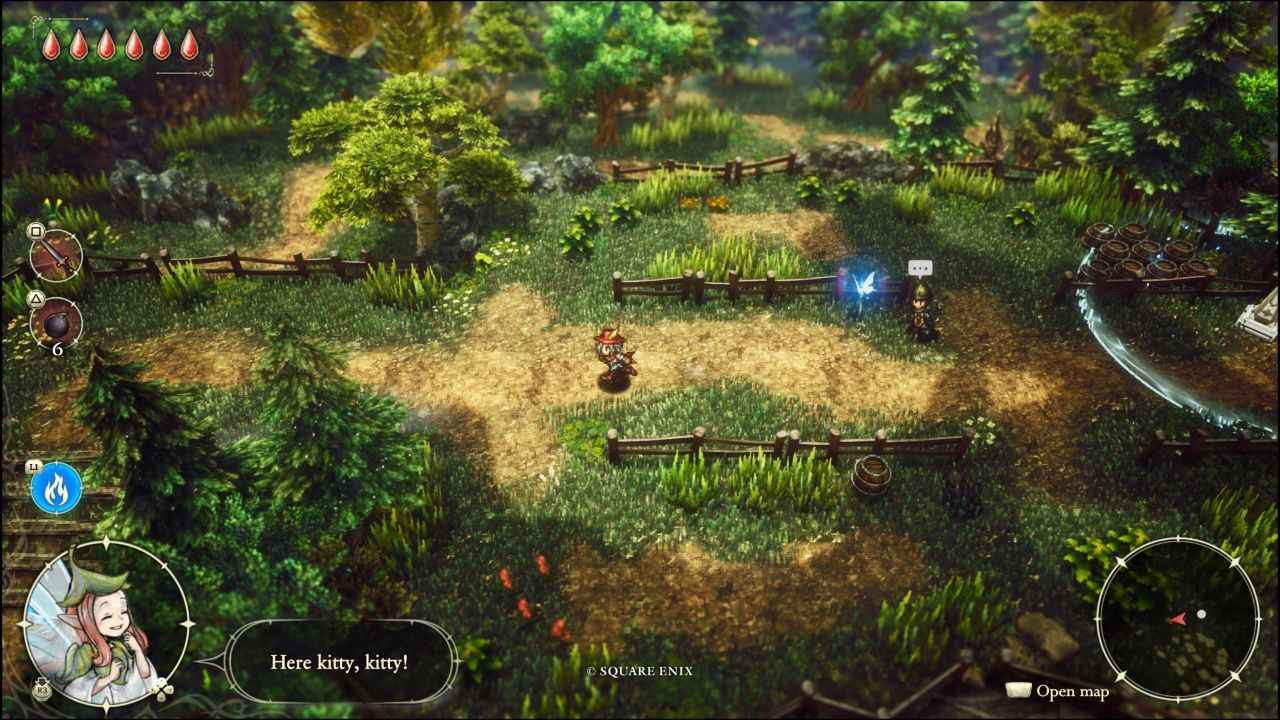
The HD-2D artstyle has been certainly put through its paces throughout the years, but one constant has been that it’s been largely reserved for turn-based RPGs, with scant exceptions to the rule. In some ways, it’s become the house style of Team Asano, and the classic-inspired games that they typically release. Therefore, The Adventures of Elliot: The Millennium Tales is a bit of an enigma. Despite coming from both Square Enix, and Asano, this game is absolutely not an RPG.
It instead takes after the oft-acclaimed Mana series, and certain other top-down inspired titles, and chooses to focus on action. You control the titular Elliot as he travels through time in order to thwart the efforts of an evil chancellor looking to change the past and take control of the future. After a brief introductory prologue, you’re thrust into a journey across the ages, and accompanied by a cast of characters to suit.
It’s a simple setup that does enough to create a somewhat interesting world; the concept of there being but a single safe space in the Kingdom, protected by a single Princesses prayers is an interesting piece of setbuilding, but much of Elliot’s storytelling feels somewhat rote.
In its broadest strokes, The Adventures of Elliot unfortunately feels like it does a disservice to the potential of time-travel in a narrative sense, driven largely by other games that have walked very similar paths. The immediate comparison is Chrono Trigger, a game that pivots itself hard around this concept, and does interesting things with a story told across ages. These comparisons kept cropping up for me across the course of playing, and were unfortunate punctuation marks in a game that I was otherwise quite enjoying.
That isn’t to say that I didn’t enjoy moments throughout, but I wanted to see more. Elliot has the workings of an interesting character with a noble motivation that does more than just fill the protagonist role, but is still a character about as light as you could expect. Other characters exist to push him on a quest, with little more than lip-service
An Incredibly Solid Foundation
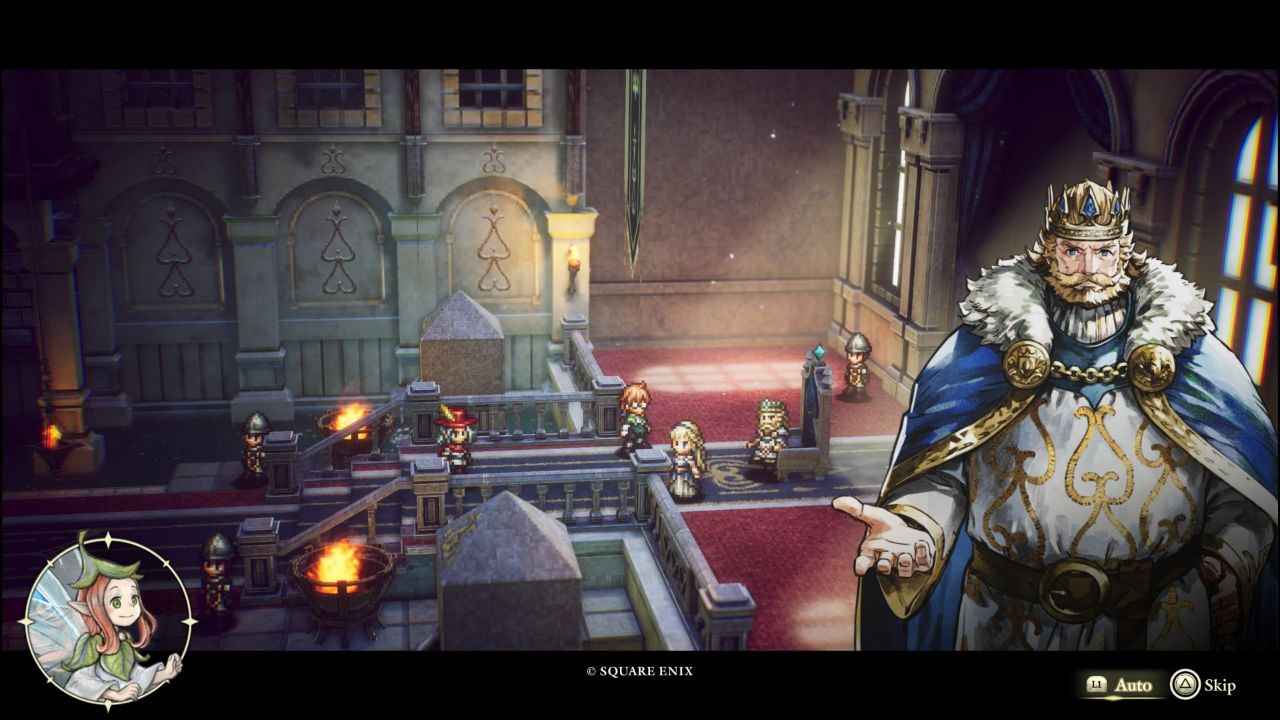
As mentioned above, The Adventures of Elliot is to Mana as Octopath Traveler is to Final Fantasy. It’s a return to a classic formula with a slightly modernised twist that feels exceptionally strong at a base level. You essentially control one and a half characters in Elliot and his (incredibly chatty) companion Faie, as they venture through dungeons and caves on a pretty linear main quest.
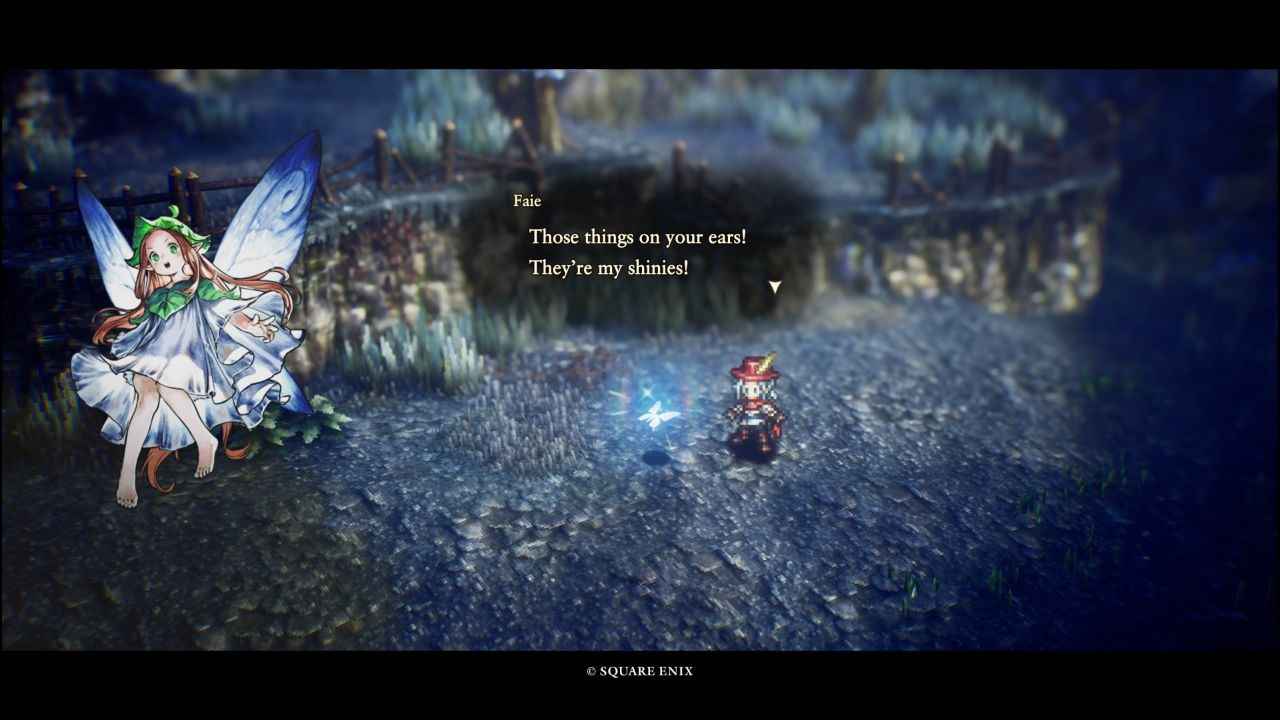
Elliot himself has access to a suite of weapons, with a classic sword, bow, bombs, and spear being at the front of his arsenal, with less conventional weapons like hammers, and scythes appearing as well. Each has their particular moments of use, and both are assigned to face buttons that you choose. As well as this, Faie brings up the rear with access to particular types of magic. This ranges from a fire orb that you can move around, to the ability to teleport and push Elliot around on a strong gust of wind.
Faie is far more focused on utility, rather than being a second dedicated character, but there’s a nice sense of dynamism that is added by her presence.
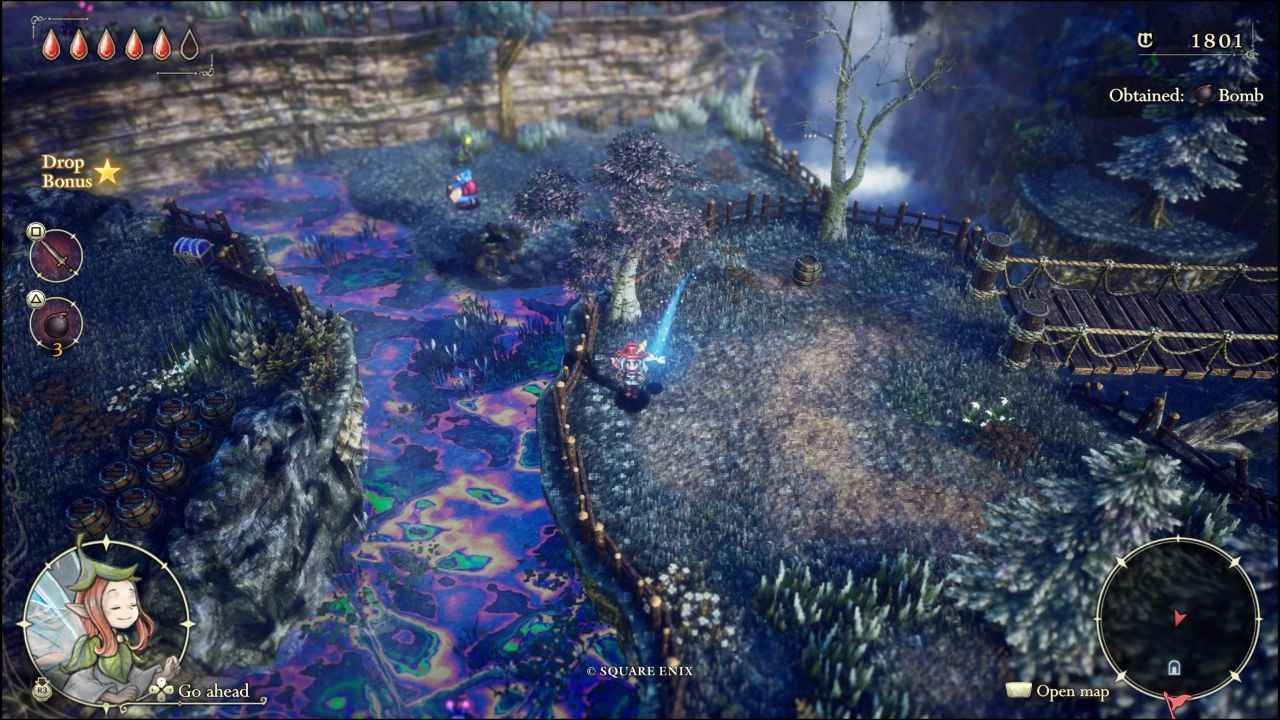
Dungeons feature light (and I do mean light) puzzle-elements that fall generally on the lower end of the scale when it comes to imagination. Move block to this spot, use this item to break this block, use this key on this lock. It’s a well-known routine, and while it isn’t a bad one, it unfortunately casts this game in a shadow that I know it could escape if it wanted to.
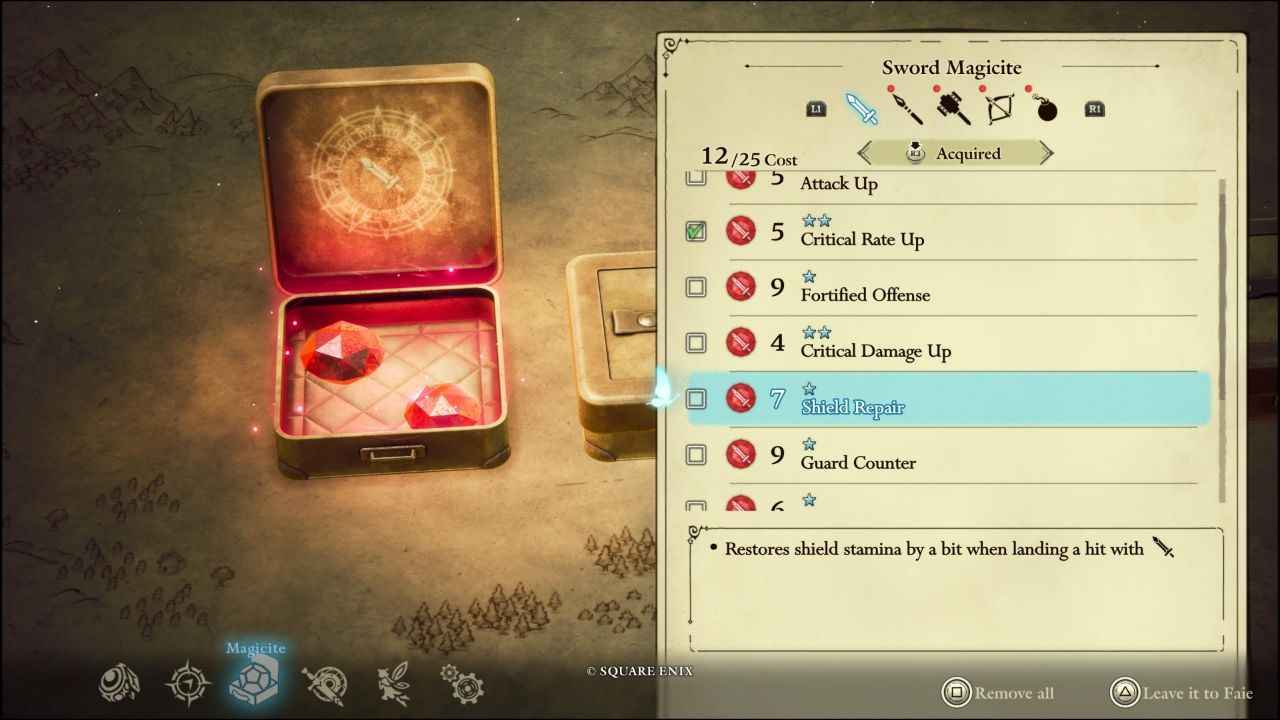
Where this game casts its net most afield is in the magicite system, an almost gacha (no real world money involved) system that helps you augment your items in unique ways. Each weapon has their own dedicated slate of gemstones to equip that can significantly change the way that you play.
Equip some magicite that has you shoot two arrows at once, or one that just raises your attack. Others might freeze enemies that touch projectiles, or offer damage buffs under particular circumstances; it’s a granular system that offers a good bit of flexibility with some versatile base options.
The Unshakeable Past
The world of Philabieldia (yes, that it is the official name), is a relatively trim one; you’ll come to learn the intricacies of this small swathe of land by the time the credits roll. Each “age” that you visit largely inherits a similar lay of the land, with just a few differences being sprinkled throughout to make them distinct. For instance, the castle town of Huther being replaced with the dilapidated wreck of a civilisation lost.
This is, no doubt, a solid way of contextualising the spaces that you inhabit, but feels somewhat vestigial, and slightly resource-savvy, in how much space you genuinely retread. With how the world map holds true throughout the ages, it feels like “time travel” becomes closer to an excuse to justify retreading the same area, under the guise of it being somewhere new.
This is magnified doubly when considering how certain spaces change over time, without much agency to understand how or why. There were often places that I could partially venture into, before being forced to travel to another age because there was simply an inexplicably impassable object. It isn’t exactly elegant, and speaks to a mechanic of necessity, rather than invention.
This is even more of a shame when considering how brilliant this game looks. A typically fantastical settling is lifted into a beautiful world that takes advantage of the benefits of HD-2D to make for memorable towns, and gorgeous places that you’ll be trekking through, just as well considering how often you retread them. This is, of course, joined by an uncharacteristically brilliant soundtrack that, while not the catchiest, is some of the most pleasant music I’ve heard in a game in recent memory.
It’s actually rare for me to stop and let myself enjoy the music of any given game, but I was sat for minutes at a time soaking in certain pieces of music, particularly environmental ones. The soundtracks of this studio have often had a unique ability to do this, and it seems like once again they’ve bottled lightning.
Exploring the World of Philabieldia
The Adventures of Elliot is pivoted around a linear main quest that informs the availability of side quests, and potential new optional areas. Each quest is helpfully jotted down in a constantly updating journal that signposts places to visit for little side stories that help to flesh out the world.
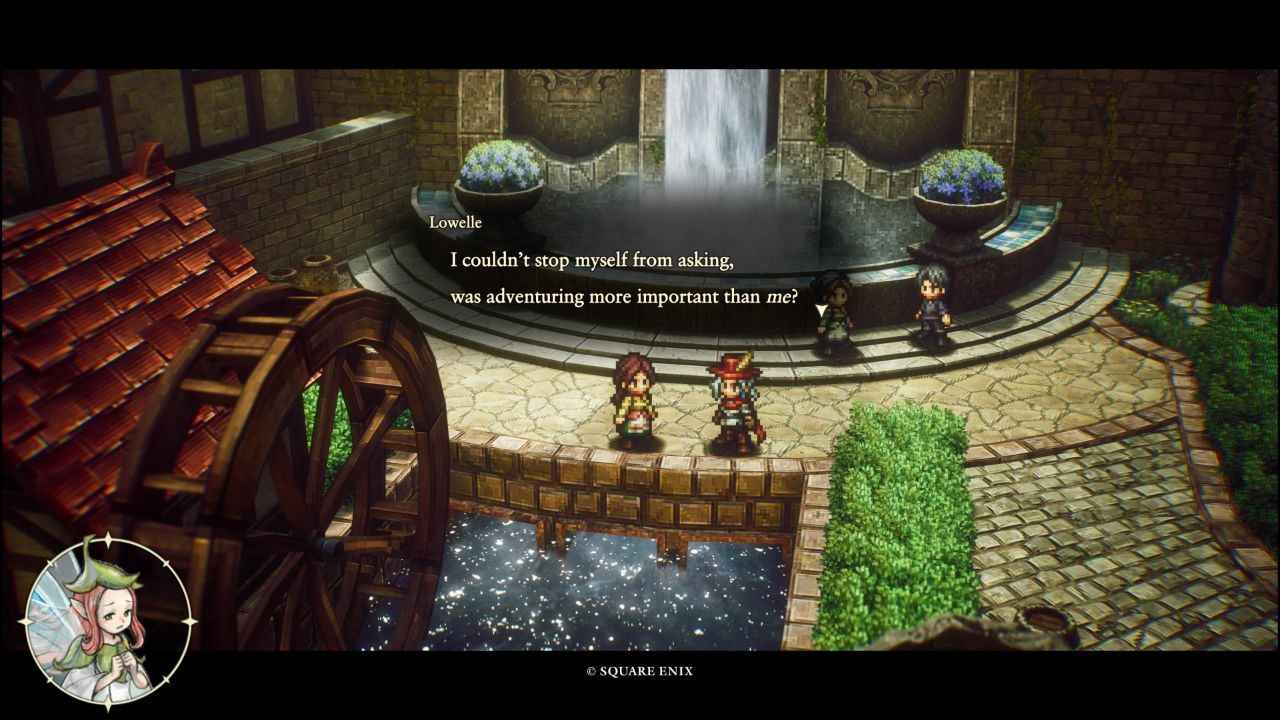
It was in these side stories that I saw the brightest parts of this game, and they were largely in the writing. Outside of the big threat of the game, each character has their own issues going on, and there’s a groundedness that’s also become a part of Team Asano’s house style. You can see it in their other work, but a lot of the personal conflicts in this game feel especially weighty, and gave me a reason to seek out these personal stories.
An adventurer who was simply doing so to help him and his wife build a life together, before dying unfortunately and not being able to tell her. A maid who has lost a valuable gift from the princess, a mark of trust. I loved exploring these short stories, but they weren’t without their own shortcomings.
On a gameplay level, many of these quests were relatively straightforward fetch quests, or returning to a previous area to simply seek out an item. It’s an unfortunate cost of these stories having obligatory gameplay aspect, but I would have liked to have seen something a bit fresher.
On a narrative level, there’s Faie. This is the tip of an iceberg of a much bigger problem that impacts the entire story, but Faie takes a sledgehammer to the relatively grounded writing style that so defines Asano’s work. This is an aspect of their games that I totally adore, and Faie manages to put other certain game companions to shame in her insistence on having every possible nuance overexplained in a way that goes beyond the intended childish into downright stupid.
It’s my personal bugbear, and unfortunately one that sends ripples throughout the entire experience, with Faie consistently offering “encouraging” advice while I’m simply walking around. I’m not opposed to occasional chatter; having a party of talking characters can add a great sense of realism. Unfortunately, there’s chatter, and then there’s a constant natter that totally removes any space for my own thoughts.
A Game On The Cusp Of Greatness
There is a sense of potential with this game that is noteworthy. All of the component parts of a modern classic are ostensibly here, but are presented in such a way that feels intentionally held back. I don’t think every new franchise needs to start as a safe venture into shallow waters; I would have liked to have seen The Adventures of Elliot: The Millennium Tales take some bigger swings in its early hours.
There’s no reason why this game can’t springboard into a much stronger sequel, and I hope that we get to see that. Like how Octopath Traveler 2 became one of my all-time favourite RPGs after a slightly unsteady start, I want to see Eliot get the same chance. This is a game that sadly exists in the shade of a long line of greats that came before it, and that’s truly a shame.
There’s nothing glaringly wrong, but I wish that there was that bit more to love over its contemporaries. There is no reason for this game to put itself through so many motions, because there’s concrete proof that it doesn’t need to. While I understand the worry that this might be someone’s first foray into this genre, that doesn’t mean that it needs to take so many safe steps with a concept that invites intrigue and excitement.
Maybe next time, I’ll be even happier with what Elliot brings to the table. For now, I’m cautiously optimistic for the future.
Code kindly provided by publisher.
The Adventures of Elliot: The Millennium Tales is available now on PS5.