Stories are older than screens. Books carried worlds before pixels ever lit up. And yet, the bridge between the two has grown surprisingly strong. Many video games inspired by books now stand as proof that literature doesn’t stay locked in libraries. It travels, it mutates, and sometimes it finds itself reborn inside a console. Let’s explore eight striking examples where stories and video games meet and reshape each other.
1. The Witcher – From Fantasy Saga to Global Phenomenon
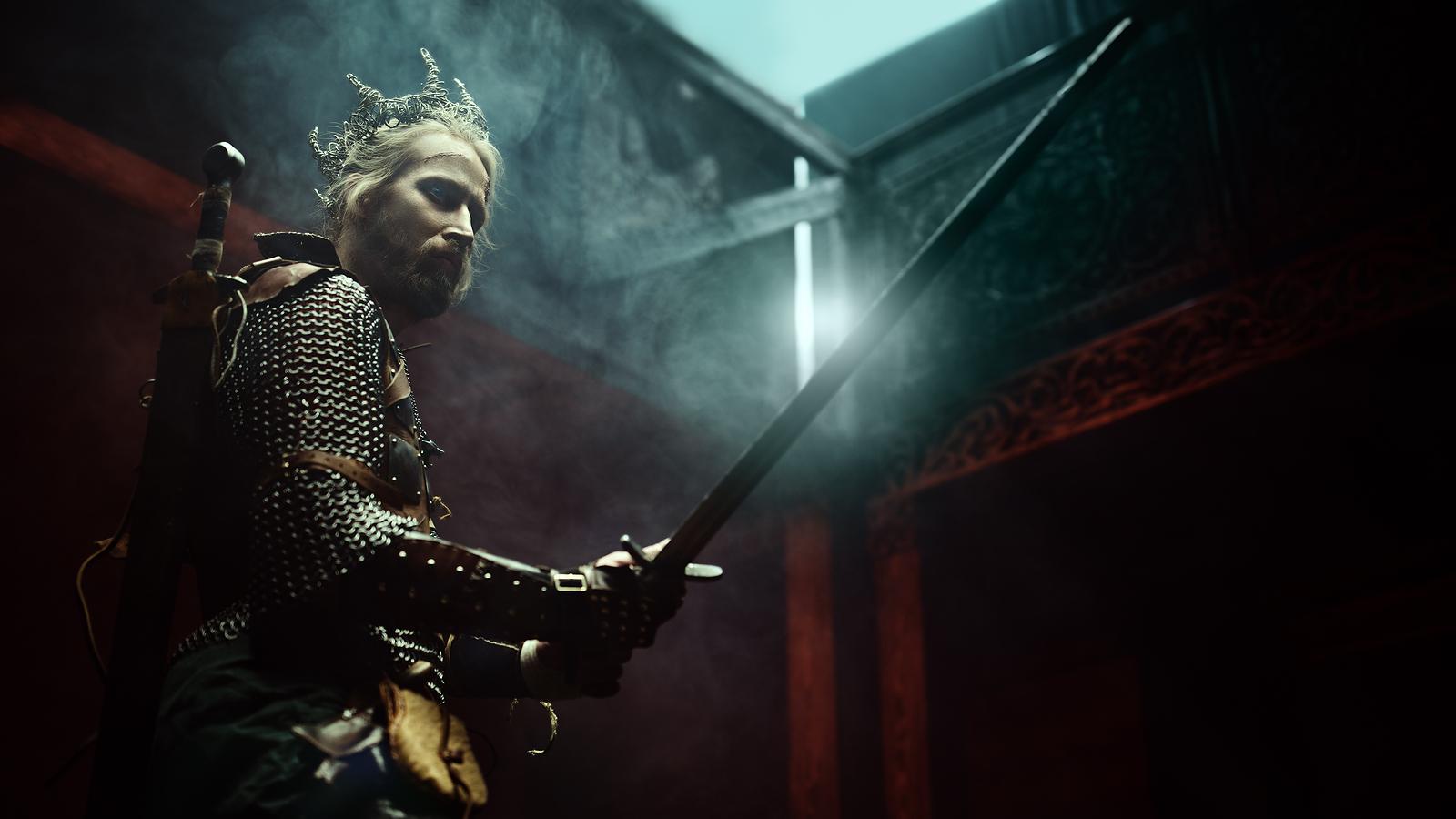
The story begins with Andrzej Sapkowski’s Polish fantasy novels. They were dark, complex, often cynical. Few outside Poland even knew of them. Then The Witcher game arrived in 2007. It was clunky, imperfect, but it planted a seed. By the time The Witcher 3: Wild Hunt launched in 2015, it had sold more than 50 million copies worldwide. The novels became global bestsellers after the games. In this case, the joystick carried the book further than the book carried itself.
2. Metro 2033 – Dystopia Under the Ground
Dmitry Glukhovsky’s Metro 2033 told of Moscow survivors living in subway tunnels after the nuclear disaster. The book was eerie, claustrophobic. Developers adapted it into a video game that forced players into narrow, suffocating tunnels. Darkness became part of gameplay. Gas masks fogged up. Bullets doubled as currency. Both book and game built tension through scarcity. This crossover shows how stories and video games can reinforce each other—what one describes, the other makes you live.
Want a deeper experience and a better understanding of the history of the video game? You need to read books online. You can choose your favorite app directly from the App Store. By the way, the FictionMe platform is gaining popularity now. FictionMe has many novels on different topics, convenient sorting, a huge list of available books and much more. It is better to try once than to hear a hundred times.
3. American McGee’s Alice – Twisting Wonderland
What if Lewis Carroll’s classic wasn’t whimsical but broken? This game didn’t just adapt Alice’s Adventures in Wonderland; it shattered it. The result: a twisted reimagining where Alice suffers trauma and her Wonderland becomes corrupted. The story was familiar, yet alien. Players felt both nostalgia and unease. This shift demonstrates how literature doesn’t need direct translation. It can be bent until it screams. The book whispers; the joystick shouts.
4. Dune – Strategy in the Desert
Frank Herbert’s Dune has been reinterpreted countless times. Films, series, art—all have taken a shot. But Dune II: The Building of a Dynasty (1992) left the biggest gaming footprint. It practically invented the real-time strategy genre. Resource management, base building, unit commands—all common today—took root here. Without Herbert’s desert politics and spice conflicts, gaming history might look very different. Sometimes stories don’t just inspire; they define mechanics.
5. Lord of the Rings – A Legacy That Won’t Fade
J.R.R. Tolkien’s world is so vast that gaming couldn’t resist. From early text adventures to sprawling online realms, Middle-earth has been revisited again and again. One of the most acclaimed was Shadow of Mordor (2014), praised for its “Nemesis System” that gave enemies memory and personality. The original books provided mythology, but the games created interaction. Statistics reveal that The Lord of the Rings Online, launched in 2007, still has a loyal player base, with tens of thousands active monthly. This proves how long literary roots can feed digital branches.
6. Call of Cthulhu – Horror Crawls into Gaming
H.P. Lovecraft never imagined joysticks. Yet his creeping dread has inspired dozens of games and other books. Right now you can get to know them through Google Play and find the world that catches you the most. Madness, ancient gods, and reality bending—perfect for interactive tension. Call of Cthulhu (2018) was one of the most direct adaptations. It didn’t just tell a short story; it immersed players in investigation, hallucinations, and paranoia. Books provide atmosphere, games amplify it by forcing the player to act inside the nightmare. Here, the boundary between reader and protagonist completely dissolves.
7. I Have No Mouth, and I Must Scream – A Game That Hurts
Harlan Ellison’s disturbing short story wasn’t meant for entertainment. It was bleak, punishing. Yet in 1995, it became a game co-designed by Ellison himself. Players controlled tormented humans trapped by a sadistic AI. Each character faced moral tests, no easy victories. The game was not commercially huge, but it became a cult classic. Why? Because it dared to be faithful to cruelty. Some books, when turned into games, lose their sting. This one doubled it.
8. Beowulf – Ancient Poem, Digital Rebirth
The Old English epic Beowulf might seem too distant for a joystick. Yet developers took the tale of monsters and heroes and turned it into a cinematic game in 2007. Critics were divided, but the attempt itself reveals something important: even the oldest surviving English poem can inspire interactive adaptation. Stories don’t have expiration dates. They morph, finding new shapes in unexpected eras.
Why Books and Games Keep Meeting
Statistics show that about one in five major video game releases now draws inspiration from existing literature, myth, or history. The reason? Books provide ready-made universes with depth. Games provide immersion, agency, and endless replay. Together they extend each other’s lives. For readers, a book may become a world you read. For gamers, the same world becomes a space you walk through.
Final Thoughts
Video games inspired by books prove that storytelling is never fixed. A story on paper can leap into pixels. A joystick can give readers new roles: warrior, wanderer, survivor, dreamer. The bridge between stories and video games is no longer fragile—it’s a highway. From Sapkowski’s Witcher to ancient Beowulf, from Glukhovsky’s Metro to Carroll’s Wonderland turned nightmare, the journey continues. And who knows? The next great novel you read might just be waiting for its digital rebirth.